

Floods wash away Nepal's China trade hopes, locking in India reliance
Monsoon damage to cross-border highways leaves Indian ports as Nepal's only viable gateway, forcing regional traders to rethink supply chains.
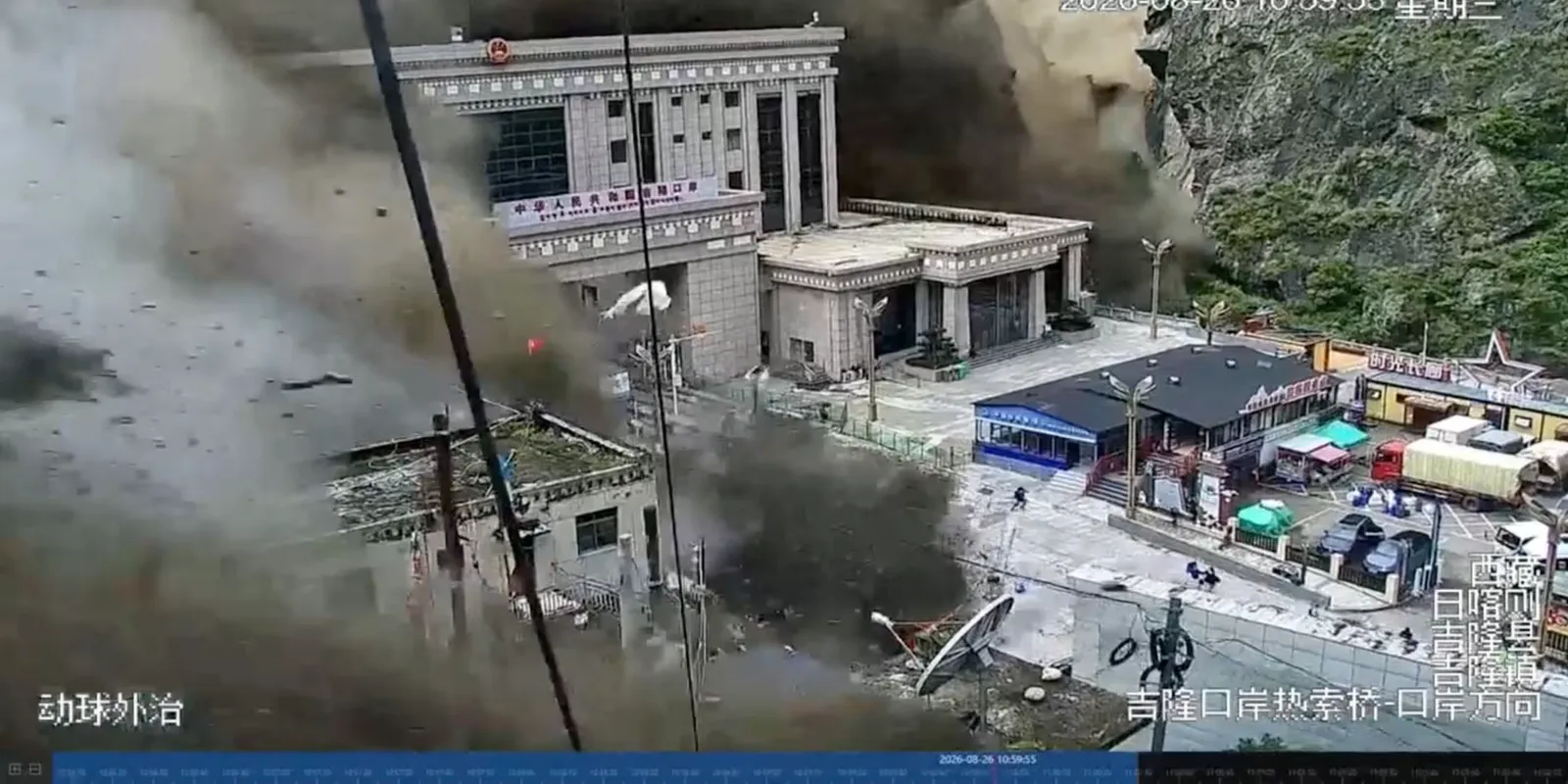
Nepal's government push to diversify trade away from India has been set back by monsoon floods that damaged key China-border routes. For logistics and trade executives, the damage entrenches India's dominance as Nepal's transit hub and delays any realistic shift in regional supply chains.
The monsoon floods that have battered Nepal this season have done more than destroy homes and wash out roads. They have also dashed Kathmandu's hopes of using China as an alternative trade corridor to India, according to Nikkei Asia. The damage to cross-border routes has entrenched Nepal's reliance on its southern neighbor, a reversal that carries heavy consequences for regional trade, infrastructure planning, and the geopolitical balance in South Asia.
The immediate problem is physical. Floods and landslides have damaged highways and bridges that connect Nepal to Chinese border points, making them impassable for cargo trucks. With those routes down, the only practical way for Nepal to move goods in and out of the country remains through India, the very dependence that Kathmandu has been trying to break for years. The timing is particularly painful because Nepal had been making visible progress on its northern connectivity agenda.
That dependence is not new. Nepal is a landlocked nation squeezed between India and China, and for decades nearly all of its external trade has transited through Indian ports. The relationship has been tested before, most notably in 2015 when a blockade at the India border led to severe shortages of fuel and medicine. That episode pushed Nepal's leaders to accelerate plans for alternative trade routes to the north, and China was the obvious partner.
The China corridor was the centerpiece of that strategy. Kathmandu and Beijing signed agreements to build roads, railways, and transshipment facilities, with the goal of giving Nepal access to Chinese ports like Tianjin and Shenzhen. The route was never going to be easy, given the Himalayas, but it was seen as a long-term hedge against Indian influence. The floods have now set that hedge back, perhaps for years, and the damage is not just to asphalt and concrete.
The damage has a strategic dimension. Every month that Nepal's northern routes remain closed is a month in which Indian ports, Indian customs procedures, and Indian logistics providers become more deeply embedded in Nepal's supply chains. That makes it harder for any future diversification effort to gain traction, because the cost of switching back will be higher. It also gives India a stronger hand in bilateral negotiations, whether on trade terms, transit fees, or political issues.
For regional executives, the implications are immediate. Companies that had planned to use the China route to reduce transit times or costs will need to revise those plans. Logistics providers that had invested in border facilities on the Nepal-China frontier may see those assets underutilized. And any business that had assumed a gradual shift in Nepal's trade flows will need to recalibrate its forecasts. The floods are a reminder that infrastructure plans are only as good as the weather they can withstand.
The floods also highlight the fragility of infrastructure in the region. Climate change is making extreme weather more common, and the Himalayas are particularly vulnerable. That means any future trade corridor through Nepal will require not just construction but also ongoing investment in resilience, from reinforced bridges to early warning systems. Without that, the next monsoon could undo years of progress. For investors and development banks, this is a signal that climate adaptation must be a core component of any infrastructure financing in the region.
For now, the reality is that Nepal's trade will continue to flow through India. The strategic question is whether Kathmandu can turn this setback into a lesson about the need for more robust infrastructure, or whether it will simply accept the status quo. For executives watching the region, the answer will shape supply chain decisions for years to come. The floods have not just washed away roads; they have washed away a certain optimism about Nepal's ability to chart an independent trade path.
This story's Key Insights and Take-aways are locked.
Create a free account to unlock Executive Actions for one credit.
Register to UnlockAlways free for Executives Club members. Join the Club
More in Business
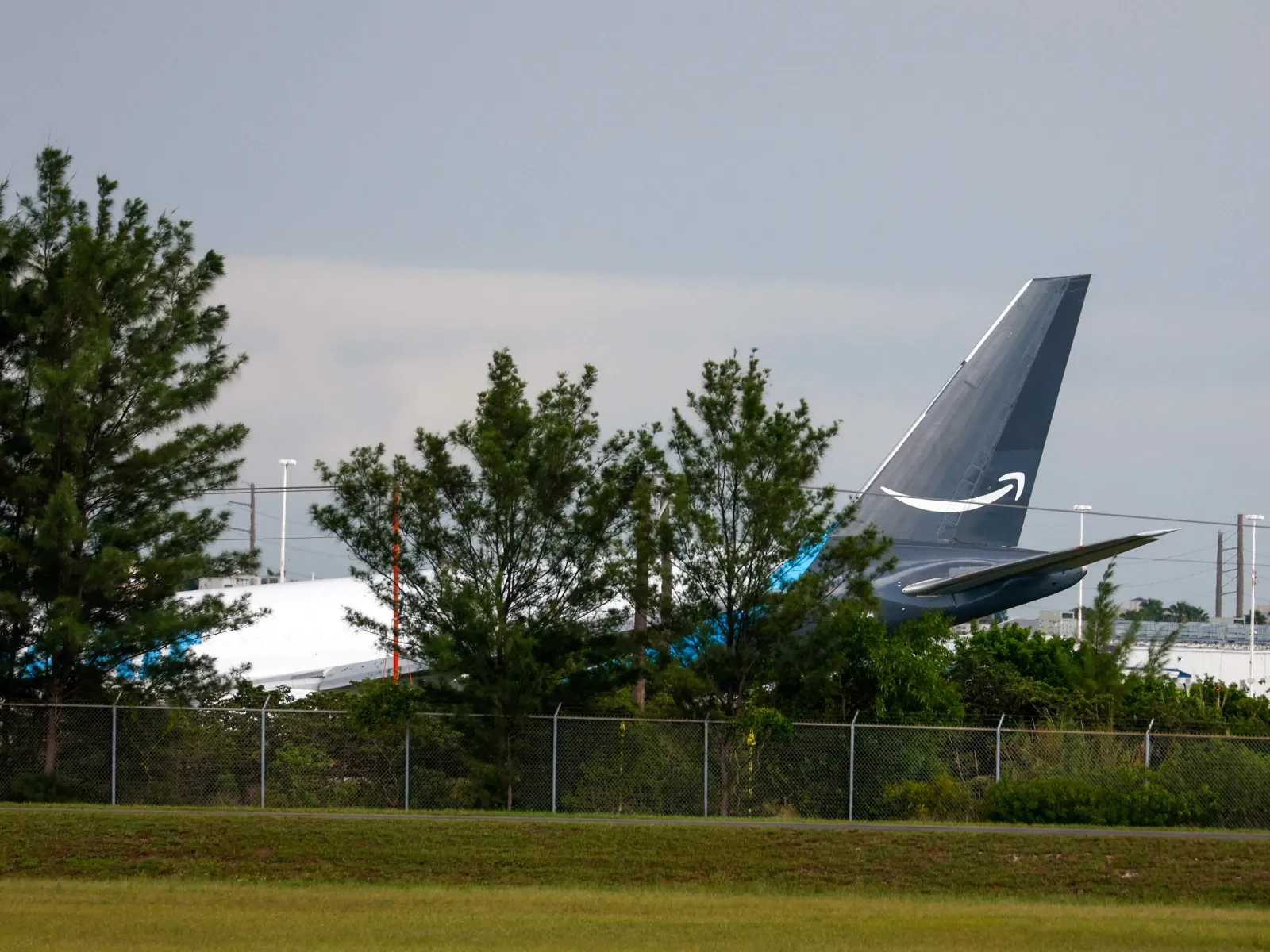
Amazon Prime Air 767 overshoots Miami runway, killing at least 5
The Boeing 767 freighter from San Juan struck vehicles and erupted in flames, prompting a ground stop and a fresh NTSB investigation into Amazon's air cargo network.

Death sentence for TV presenter Sarah Khalifa: Egypt's drug case hits media
The sentencing of Sarah Khalifa and 11 others underscores the severity of Egypt's anti-drug laws and the exposure of public figures to capital punishment.

Tim Cook steps down as Apple CEO, stays on as chair with $45M equity
The 'Trump whisperer' keeps his White House and Beijing access as Apple navigates tariffs and a $4.6 trillion market cap.