

Florida's $1.7B voucher program fails the disabled kids it was built for
ProPublica finds private schools reject special-needs students, leaving families to return millions in unused state funds.
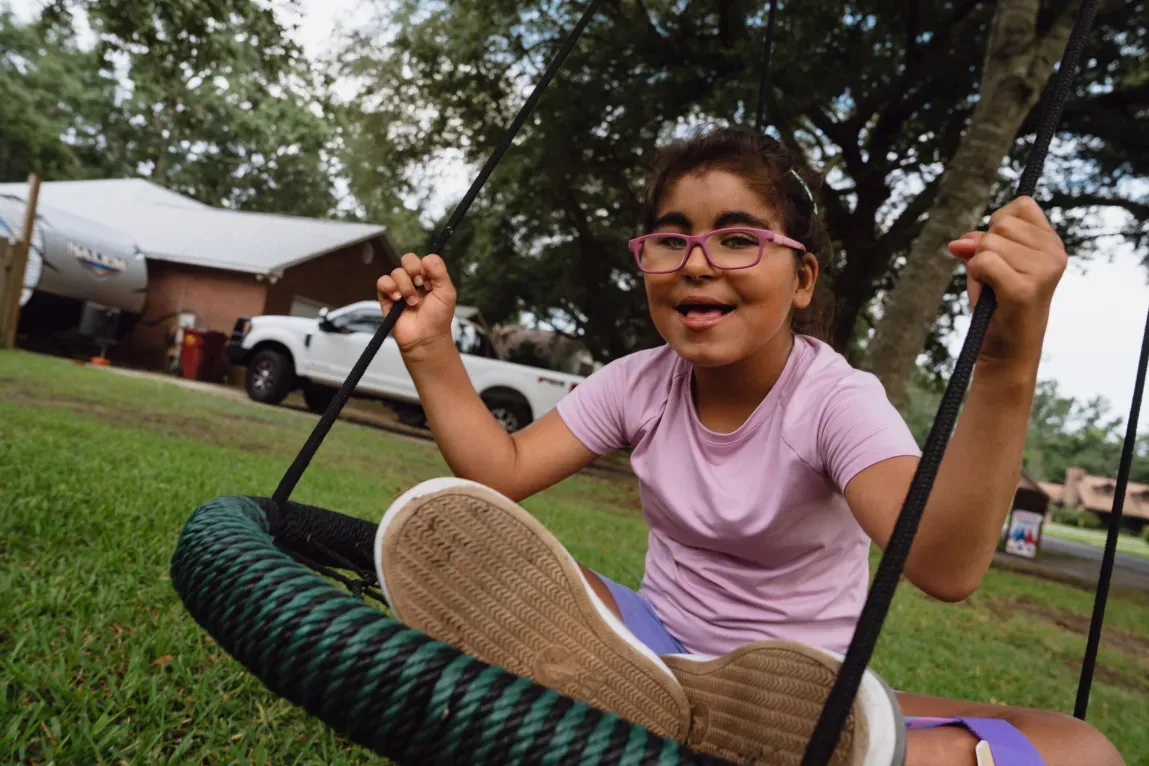
ProPublica reports that Florida's $1.7 billion voucher program for disabled students often fails them because private schools refuse to accommodate complex needs. Families like Angela Johnson's returned roughly 8% of distributed funds, exposing a systemic gap between voucher promises and actual access.
Angela Johnson, a physical therapist and mother of 12-year-old Amelia, did everything right. She won a Florida state voucher worth about $10,500 for her nonverbal daughter, who was born with a rare genetic anomaly and requires a brain shunt and feeding tube. Then she spent weeks calling private schools. Every single one said no. The upscale Christian school nearby had no nurse trained for medically fragile children. Others balked when Johnson explained Amelia's feeding tube, her inability to hold a pencil, and her toileting needs. No school offered teachers trained to educate nonverbal children, and none provided a bus ride home. Johnson eventually returned the money to the state with a stern email. "The choice wasn't hers," she realized. "It was the schools'." Her story, reported by ProPublica, exposes the central contradiction of school choice for the students who helped launch the movement: private schools generally aren't required to educate children with disabilities, and often they simply don't.
The scale of the problem is staggering. Florida distributed $1.7 billion last year through its voucher program for disabled children, and about 8% of that money was returned because recipients like Amelia stayed in public school. By contrast, only 1% of funds in the state's universal voucher program came back for the same reason. Louisiana's new education savings account program tells an even sharper story: 30% of funds allocated to students with disabilities went unused because families couldn't find schools, versus 6% overall. Texas, in the first year of its $1 billion voucher program, is already seeing students with disabilities opt out at slightly higher rates than their peers. These aren't edge cases. They're the structural signature of a policy sold on a promise it cannot keep.
The irony is that disabled children were the original face of the voucher movement. In 1999, Florida State Senator John McKay, a Republican, stood before his colleagues and championed the nation's first voucher program specifically for students with disabilities, citing his own daughter's struggles in public schools. The McKay Scholarships became the template for a national expansion. Today, at least 18 states have voucher-style programs with universal eligibility or are phasing them in, and more than half a million Florida schoolchildren - roughly 1 in 6 - use a voucher. But when Florida opened its program to all students in 2023, two-thirds of the newly enrolled children were already attending private schools. The families who were supposed to benefit most, the ones whose stories sold the policy, remain locked out.
The mechanics of the failure are simple. Voucher programs channel taxpayer dollars into accounts parents can use for private school tuition and related expenses. But private schools are independent actors. They can reject any student whose needs are too costly, complex, or disruptive. Public schools, by contrast, are legally obligated under federal law to serve every child, including those with disabilities. That asymmetry creates a perverse incentive: as vouchers pull students and funding out of public schools, the schools that remain must serve a higher concentration of students with complex needs while losing the resources to do it. The children who can't find a private school seat don't just lose the voucher. They lose the public school services they were already entitled to.
For executives and investors watching the education sector, the ProPublica data is a warning about the difference between market demand and market access. Voucher programs create purchasing power, but they don't create supply. Private schools have no obligation to serve high-need students, and the economics of special education - trained nurses, specialized therapists, small class sizes, accessible transportation - make most private schools unwilling to take on the risk. The result is a market where the most vulnerable consumers hold money they cannot spend. That's not a functioning marketplace. It's a subsidy for schools to cherry-pick their students.
The political stakes are equally significant. Voucher advocates spent decades building bipartisan support by centering the stories of disabled children. If the data continues to show those same children are being left behind, the policy coalition could fracture. Opponents already argue that vouchers drain public schools of resources, and the ProPublica findings give them concrete evidence that the promise of choice is often an illusion. For state legislators considering new voucher programs, the lesson is clear: eligibility is not access. A program that hands money to families without ensuring schools will accept their children is not school choice. It's a rebranded waiting list.
For families like the Johnsons, the cost is personal and daily. Amelia's mother still fights for every minute of therapy her daughter is entitled to under federal law. She still imagines Amelia learning to cut a straight line and write her name. The voucher was supposed to be a path to that future. Instead, it became another reminder that in the education marketplace, some children are considered too expensive to educate. The money went back to the state. The choice never really existed.
This story's Key Insights and Take-aways are locked.
Create a free account to unlock Executive Actions for one credit.
Register to UnlockAlways free for Executives Club members. Join the Club
More in Business

Paramount's Ellison: Merger Clearance Done, WBD Deal by Oct 1
David Ellison says the Paramount-WBD merger has full clearance after settling with state AGs, clearing the path for an October 1 close.
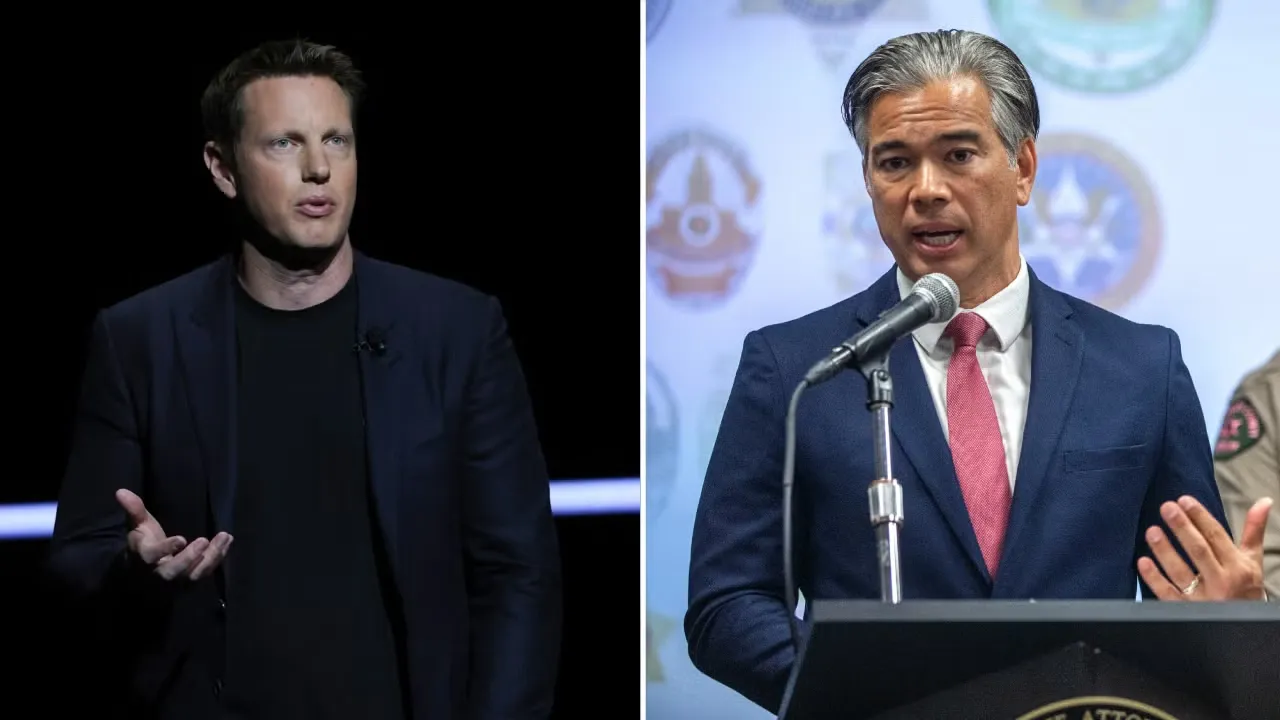
Paramount settles with 12 states, $110B Warner merger clears final hurdle
David Ellison's studio avoids a March trial and a $7M-a-day ticking fee by settling with state AGs over local job losses.
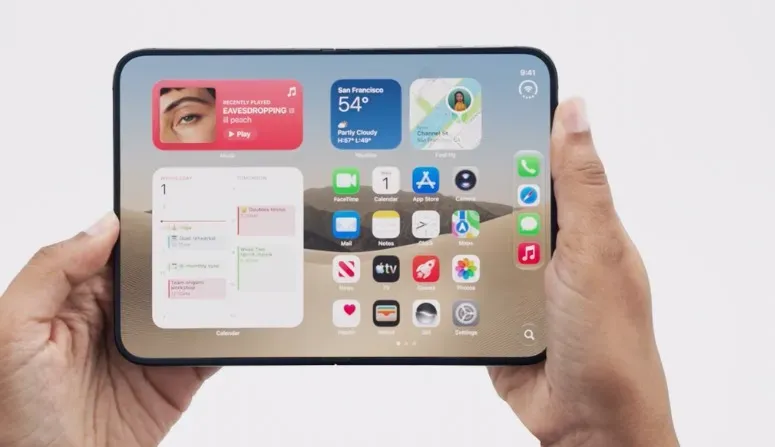
Apple unveils first foldable iPhone Duo with 7.6-inch display under new CEO Ternus
Apple's first foldable, the iPhone Duo, marks a major product bet for new CEO John Ternus, with a 7.6-inch unfolded screen.