
“Fortunate Son” got misread as patriotic. Fourth of July keeps the myth alive
Movies like Forrest Gump turned CCR's anti-war protest song into a “war equals freedom” shorthand.
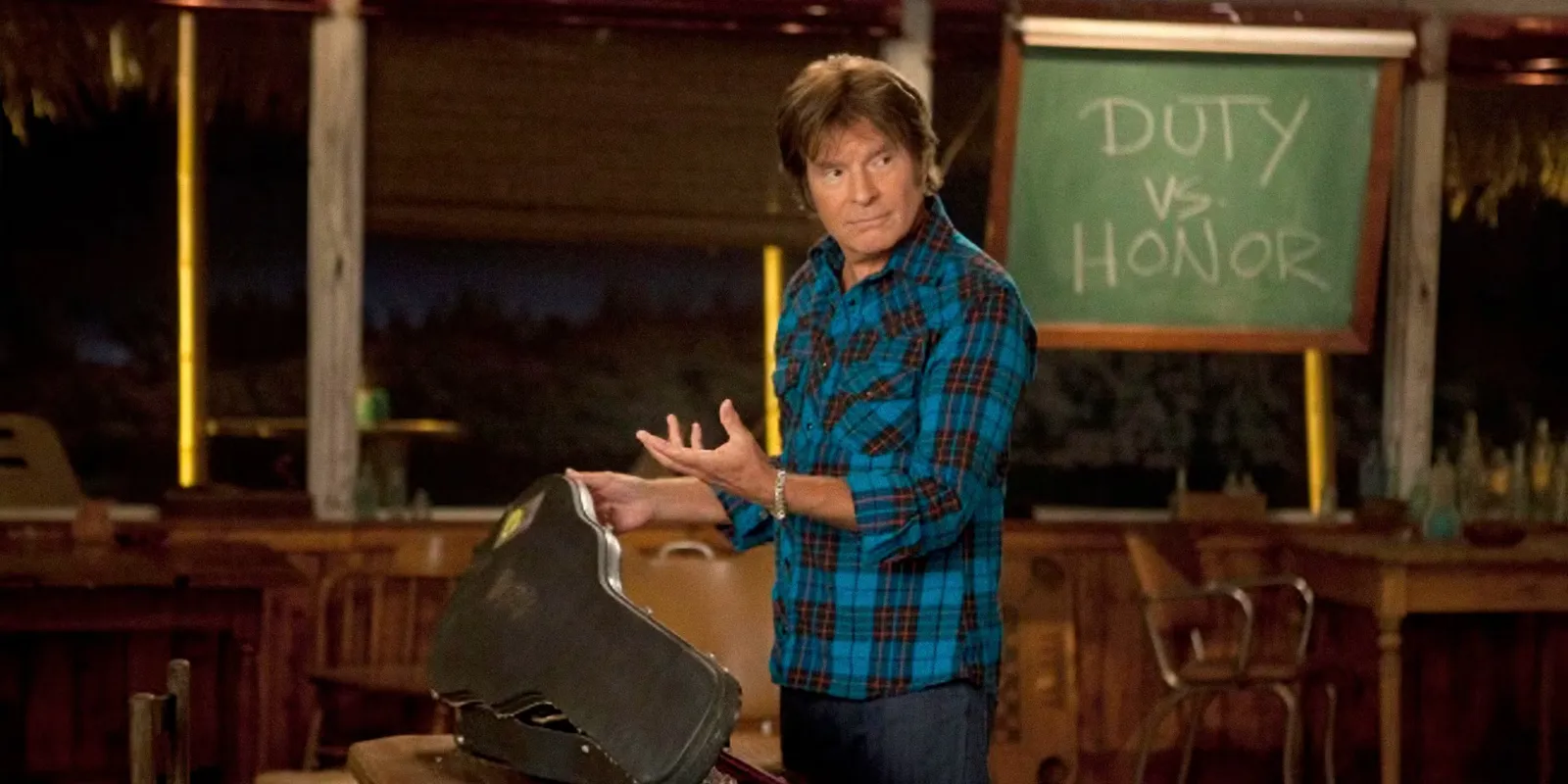
Creedence Clearwater Revival’s “Fortunate Son” has been repeatedly repackaged in mainstream culture, including movies like Forrest Gump, despite the song advocating the opposite of what many people assume. For decision-makers, the bigger lesson is how mass media and timing can flip meaning faster than intent.
Protest music doesn’t just comment on the world. It gets commented on, interpreted, and sometimes misused by the world that consumes it. That dynamic is exactly why Creedence Clearwater Revival’s “Fortunate Son” remains such a sharp Fourth of July reminder: people often treat it as a patriotic war anthem, even though the track is “really advocating for anything but.”
The confusion has been supercharged by movies that used the song as a shorthand for military conflict. Collider notes that “Fortunate Son” was made the poster song of war via movies like Forrest Gump, even when it's advocating for the opposite. In other words, the soundtrack did the thinking for the audience. The result is a cultural glitch that persists every year: the song becomes the symbol people reach for, while the lyrics, which argue against the war mindset, get sidelined.
To understand why this keeps happening, it helps to zoom out on how protest music works. Protest music has been a constant in the industry since its beginning, because music is expression, and expression usually reflects the situations around us. But the same property that makes art powerful also makes it slippery. Like any piece of art, a song is up for interpretation. That openness is part of the beauty, but it also means some people will interpret music without fully understanding it, ascribing meaning without fully dissecting the lyrics.
Now connect the dots to the specific American music tradition Collider calls out. “Born in the USA” by Bruce Springsteen is often discussed around the Fourth of July as a prime example of a critique of America that gets propped up as patriotic. Collider places “Fortunate Son” in that same lineage, describing it as an earlier rock example where the public association diverges from the intended message. Both songs show the same pattern: a track meant to critique power and conflict gets treated like a celebratory banner because the mainstream framing sticks.
There is also a timing effect here, even if it is not regulatory. Fourth of July is a national memory machine. When a familiar song plays in a patriotic context, it becomes easier for audiences to file it under “American” than to ask what the lyrics actually say. Movies intensify this by creating a narrative that tells viewers what the music is “for.” When “Fortunate Son” becomes the poster song of war through films like Forrest Gump, it is not just background. It becomes a cue for emotion and identity, so later it is remembered as the feeling, not the argument.
That matters beyond music, because the second-order implication is the same in every media-driven domain: interpretation can outrun intent. In business terms, the incentive to simplify wins over the incentive to understand nuance. In governance terms, it is board-level oversight of narratives. If an organization repeatedly signals one thing but is consistently perceived as another, the gap becomes strategic risk. You get misaligned stakeholders, misread public sentiment, and decisions made on the wrong premise.
This is where the parallel with enterprise communication becomes uncomfortable. Protest music is one example of a “meaning mismatch” between original intent and received interpretation. Corporate brands, product messaging, and even regulatory outreach can suffer the same fate when third parties package your message into their own story. Collider’s point is not that art is unknowable. It is that people often do not fully dissect lyrics, fully check context, or fully interrogate what a song is actually advocating, especially when the broader cultural moment makes the easier reading feel correct.
For executives, founders, investors, and creators watching cultural narratives move capital and attention, the stakes are practical. When mainstream platforms attach a track like “Fortunate Son” to war imagery, the symbol hardens. That symbol then travels. It becomes “obvious” even when it is wrong. The strategic lesson is to assume that distribution channels will shape meaning, not just deliver content. And if your goal is to have people understand your intent, you need to design for interpretation, not just publication.
So the Fourth of July takeaway is simple, but it lands hard: don’t let the soundtrack replace the reading. Collider’s framing makes it clear that “Fortunate Son” is strongly associated with American forces descending into the Vietnam War in how people use it, while the song itself is “really advocating for anything but.” If you are in charge of any message with real-world consequences, the question is whether your audience will hear the critique, or whether they will just hear the chorus they were taught to expect.
This story's Key Insights and Take-aways are locked.
Create a free account to unlock Executive Actions for one credit.
Register to UnlockAlways free for Executives Club members. Join the Club
More in Politics

Glacial collapse, not rain, killed 180 in Nepal's Himalayan flood
The Himalaya's extreme geography hid the true cause of Nepal's catastrophic flood, a glacial collapse that turned a geological battleground into a mass-casualty zone.
Iran’s Esmail Baghaei says Oman talks start shipping via Hormuz, not US talks yet
Temporary route plans with Oman aim to restart commerce while Tehran says Washington dialogue is not on the table.
Standards watchdog opens probe into Reform UK deputy leader Richard Tice over interests
The parliamentary standards commissioner says it began an investigation on 28 July into a possible undeclared interest.