
Four children with terminal brain cancer respond to experimental immunotherapy, trials expand
A personalized cell therapy is moving from rare wins to broader testing, reshaping the risk calculus in pediatric oncology.
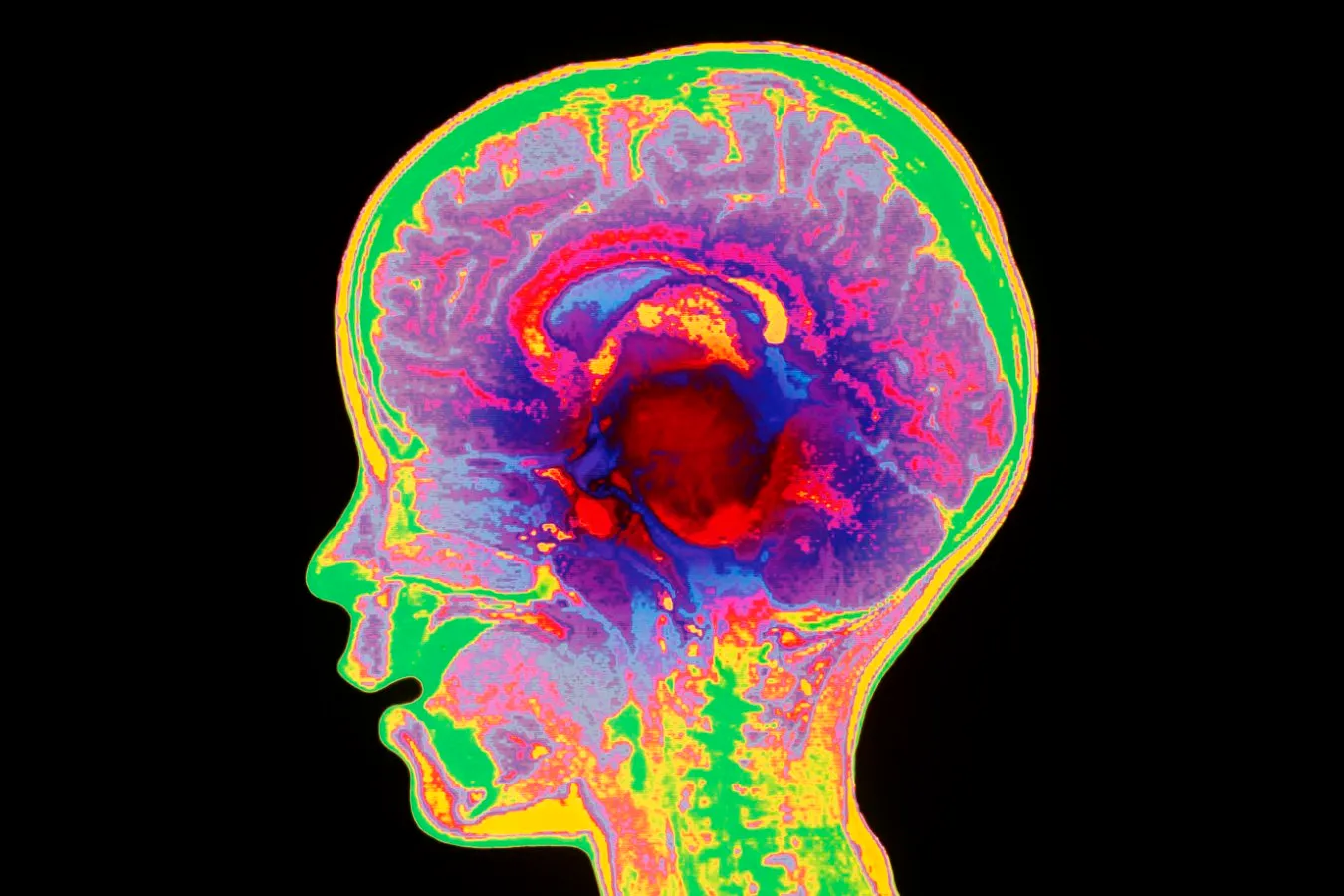
New Scientist reports an experimental immunotherapy that has beaten aggressive brain tumours in a handful of children, with a personalized version now being tested on more patients. For decision-makers, the shift from isolated cases to expanded trials is a signal about where clinical and regulatory momentum may be building.
Four children with terminal brain cancer are being saved by an experimental immunotherapy, and a more personalized version is now being tested on more patients, according to New Scientist. The headline is the story: this is not a lab curiosity anymore, it is a clinical signal strong enough to justify scaling up. In aggressive brain tumours, especially in children, the default assumption has historically been grim. When a therapy can challenge that assumption, even “a handful” of outcomes becomes strategically important.
The report frames the evidence as early but real: the immunotherapy has beaten aggressive brain tumours in a handful of children. Now the work is shifting to a personalized version, and that matters because personalization changes how regulators evaluate risk, how trial sponsors design endpoints, and how investors think about time to results. It is also a reminder that the hardest part of oncology innovation is not only finding a mechanism, it is proving repeatability in a disease category where outcomes can be highly variable.
To understand why this deserves board-level attention, zoom out to what pediatric oncology development looks like in practice. Terminal brain cancers in children sit at the intersection of two pressures. First, the medical pressure is obvious: there are few effective options, and the time window for intervention is narrow. Second, the development pressure is structural. Small patient populations make conventional large trials difficult, which often forces sponsors toward adaptive designs, narrower cohorts, and creative trial endpoints. That is why “a handful of children” is both scientifically meaningful and operationally difficult. It can demonstrate biologic activity without immediately solving the question executives always worry about: will more patients look like the first set?
Personalized immunotherapies change that second question from “does it work” to “how consistent is it when customized?” In broad strokes, personalization means the therapy is tailored to the individual patient, which can improve targeting but complicates manufacturing, quality control, and logistics. For a company developing these products, the cost and complexity go up, and the operational reliability becomes part of the clinical narrative. In other words, the therapy is not just a drug candidate, it is a whole supply chain dressed up as medicine. That supply chain must work, every time, for the clinical results to be believable.
Then there is the regulatory backdrop, which is where early clinical signals become decision-making fuel. While the specific regulatory agency or pathway is not named in the source, the pattern New Scientist describes is familiar to regulators and sponsors: when data suggest meaningful benefit in lethal conditions, trial expansion can follow, sometimes with more flexible approaches to accelerate learning. For executives, this is the strategic distinction between “promising” and “actionable.” A handful of responses can be enough to earn follow-on studies, especially when the alternative is continued failure. But regulators will still want clarity on safety, durability, and whether personalization introduces new risks.
So what should decision-makers take from this, beyond the encouraging headline? First, this is an immunotherapy play with a brain cancer focus, in a pediatric setting, which is a high-stakes corner of oncology. Second, the shift from initial results to a personalized version being tested on more patients signals that the development story is crossing from proof-of-concept to scale-up. That is when boards start asking harder questions about manufacturing capacity, trial execution, and go-to-market feasibility, because the next datasets will decide whether this remains a scientific footnote or becomes a platform.
Finally, there are second-order implications for any executive tracking oncology or cell therapy. If a personalized immunotherapy can beat aggressive brain tumours in children, it will likely intensify competition across similar approaches, pulling resources and talent into the area. Even if your company is not building the same exact therapy, the market will re-rate risk across the category. Sponsors will push for faster learning, and investors will watch for trial signals that indicate both clinical benefit and a scalable path to manufacturing. In this environment, early wins can have outsized influence, not because they guarantee outcomes, but because they can change who gets funded and who gets time.
This story's Key Insights and Take-aways are locked.
Create a free account to unlock Executive Actions for one credit.
Register to UnlockAlways free for Executives Club members. Join the Club
More in Science

Alaska's 1,580-foot tsunami had warning signs. Scientists just found them.
Rapid glacier retreat, heavy rainfall, and thousands of tiny tremors preceded Alaska's 1,580-foot tsunami, a warning for every coastal community in a warming world.

The rare mutation that lets high-risk brains dodge Alzheimer's
Scientists found a natural defense against protein buildup, opening a new path to preventive treatments.

3,000 steps a day may halve Alzheimer's decline, study finds
New research links a modest daily walk to less tau buildup and nearly half the cognitive and functional decline, even for those with early signs.