
Fox leans on the 2026 home World Cup, building a star-studded on-air primetime push
The Hollywood Reporter says Fox is betting the 2026 FIFA World Cup can supercharge soccer ratings at home.
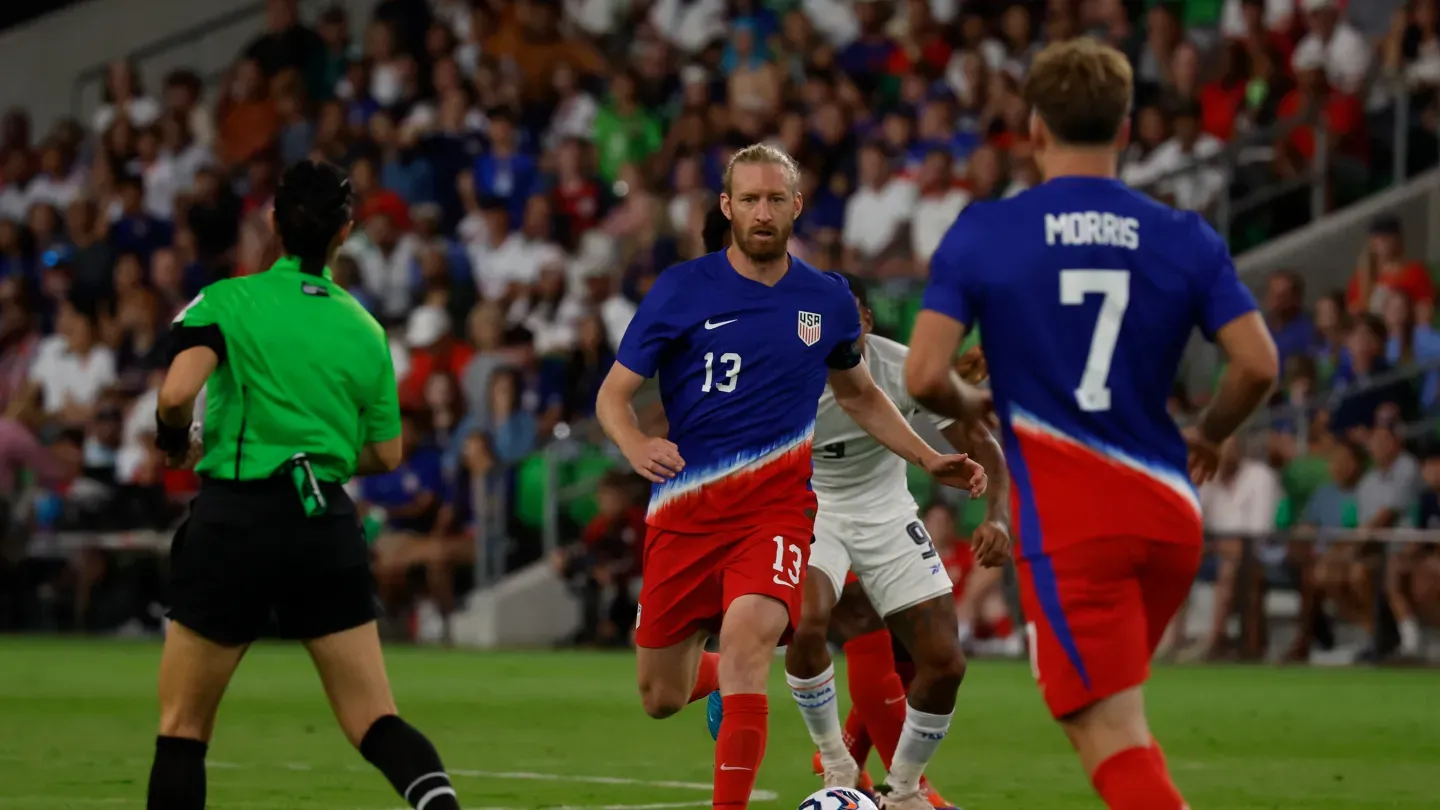
Fox is preparing a high-profile World Cup primetime strategy tied to the 2026 tournament on home turf. For decision-makers, the bet signals where Fox believes live sports attention and ad dollars can rebound.
Fox is betting that the 2026 FIFA World Cup, on home turf, can supercharge the sport. That is the core of the play described by The Hollywood Reporter: a primetime push built around a star-studded on-air team, designed to make soccer appointment viewing for mainstream audiences.
On paper, the concept sounds simple. The 2026 World Cup is coming, Fox has the rights coverage opportunity, and primetime packaging is how you try to turn “sports fans” into “everyone.” But the real significance is what Fox is implicitly trying to fix: making soccer feel like it belongs in the same cultural lane as the biggest American live sports events, where schedules drive habits and on-air talent can reduce the friction for new viewers. In other words, this is not just a broadcasting plan. It is a strategy to reshape viewership behavior around a major international property.
To understand why this matters to executives beyond Fox, you have to zoom out to how live sports economics work. Live rights are expensive and operationally complex, but they are also one of the few categories that still reliably delivers broad reach in a fragmented media world. When a network or streaming partner commits to a mega-event, the payout is not only in the media rights contract. It is also in downstream ad inventory, sponsorship packages, social and digital lift, and the “halo effect” that can carry into adjacent seasons and sports franchises.
The 2026 World Cup on home turf adds a second layer to that equation. When an event is closer, it changes what audiences see, how easily marketing can make the case, and how quickly fans can organize their own viewing routines. For advertisers, that matters because they buy outcomes they can map to audience behavior. For networks, it matters because a home tournament can reduce uncertainty about market penetration, even if the sport’s long-term fandom growth still depends on storytelling, accessibility, and consistent coverage.
This is where the star-studded on-air team angle becomes more than a branding flourish. Broadcast executives know the “gateway” problem: viewers will sample a new sport when they can trust the presentation. Talent can explain rules quickly, highlight stakes clearly, and keep the broadcast moving at the pace casual viewers expect in primetime. That is especially important for soccer in the U.S., where many viewers arrive with partial knowledge and limited patience for long stretches without narrative anchors.
There is also a competitive subtext. When major events approach, rights holders and broadcasters typically look for differentiators that go beyond match footage. Talent, show formats, studio segments, and primetime scheduling are all ways to claim a share of attention that might otherwise fragment across highlights on phones. Fox’s focus on primetime, as The Hollywood Reporter frames it, is basically an argument that the network can own the moment people decide how they want to watch.
Regulatory context matters too, even if it is not the headline focus here. In media policy, sports broadcasting rights often intersect with broader frameworks around competition, consumer choice, and the structure of pay-TV and streaming distribution. While specific regulatory decisions are not detailed in the source, the practical implication for executives is clear: live sports strategies need to assume a market that can shift in distribution and advertising standards. A primetime push, anchored by recognizable on-air talent and built around a near-term global event, can be a way to capture value before the next distribution wave complicates audience measurement and monetization.
Second-order effects are where boards and CFOs start to care most. If Fox’s 2026 plan works, it reinforces a key thesis for media companies: that packaging and audience-building can turn an international property into a durable U.S. ratings moment. That can influence how management prioritizes future live rights bids, how they invest in studio production capabilities, and how they negotiate advertiser commitments. If it does not work, the risk is not just lower ratings. It is the opportunity cost of capital tied up in a mega-event, plus the internal signal that primetime execution and presentation may not be enough to overcome baseline audience adoption hurdles.
For peers in similar roles, the question is simple: can you treat live sports as a repeatable audience growth engine, not just a rights cost? Fox’s approach to the 2026 World Cup suggests it believes the answer is yes, and that star power on-air plus primetime scheduling can do real work in the measurement-driven world of modern advertising.
This story's Key Insights and Take-aways are locked.
Create a free account to unlock Executive Actions for one credit.
Register to UnlockAlways free for Executives Club members. Join the Club
More in Entertainment

Entertainer Russell Brand denies 7 sex charges amid accuser's 'couldn't breathe' claim
The alleged victim's account sharpens the reputational and legal stakes for Brand, his platforms, and any business tied to a public figure under criminal scrutiny.

Russell Brand's accuser 'bewildered and confused' as he denies 7 sex charges
The criminal case against the comedian is a live test of how media companies manage talent risk when serious allegations go public.

'It's a Magic Trick': Ballet Experts Say Rosalía's SNL Pose Is Impossible
Three ballet experts tell Rolling Stone Rosalía's gravity-defying SNL stillness shouldn't be possible - and why the debate is now part of the show.