
Fox stock slid on $22 billion Roku bid, but investors may be missing the play
The $22 billion deal looks expensive on the tape. The real question is how it reshapes Fox's streaming leverage.
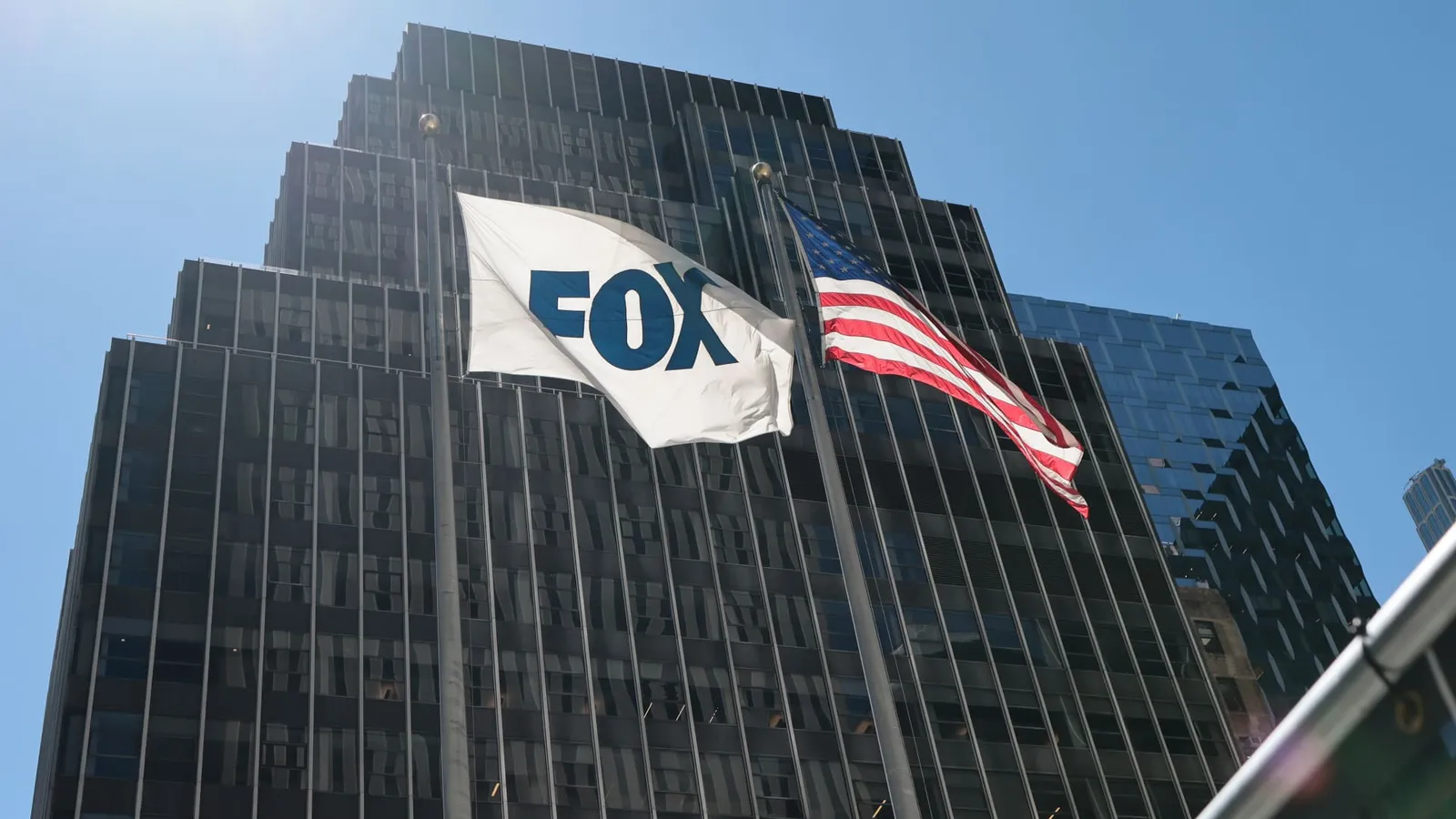
Fox announced it will acquire Roku for $22 billion, and its stock dropped after the announcement. The immediate market reaction contrasts with analysts who still view the deal as good.
Fox’s stock dropped after the company announced it will acquire Roku for $22 billion. The number is big enough to make any investor squint. $22 billion also lands in a market where buyers are punished instantly for paying up, especially when the winning path to streaming is still messy.
But CNBC also flags the core tension here: even with the stock drop, analysts still think the deal is a good one. That means the market is reacting to one set of fears, while Street pros are weighting the counterarguments. To understand what “investors are missing,” you have to look past the headline math and into what this kind of acquisition signals about future control of distribution and advertising.
Start with the simplest reality: when a public company announces a takeover, the stock often moves on skepticism first, agreement second. Investors tend to worry about dilution, leverage, and execution risk. They also worry about paying a premium for a company whose business does not fit neatly into the buyer’s existing story. In this case, the skepticism is visible right away in Fox’s share price after the $22 billion announcement.
However, the reason analysts can still call the deal good is that acquisitions are less about the current quarter and more about bargaining power in the next phase of an industry. Streaming is not just content anymore. It is discovery, recommendation, device access, ad targeting, measurement, and the plumbing that determines who gets attention. Roku is deeply tied to the “TV interface” layer that consumers use to find content. That makes the acquisition relevant to how Fox imagines its future distribution.
So, what could investors be missing? One possibility is that they are treating the transaction like a one-dimensional purchase of a standalone company, instead of a move to re-balance who holds leverage between platforms, networks, and advertisers. When you own more of the pathway from a screen to a stream, you may gain control over how your offerings are seen and how revenue is captured. That is the kind of strategic linkage analysts often underwrite when they judge a deal as “good,” even if the market initially flinches.
There is also a board-level dynamic at play in deals like this. Boards do not just weigh price. They weigh alternatives. In fast-moving media markets, the opportunity cost of standing still can be as painful as overpaying. If Fox believes the streaming distribution landscape is tilting in ways that could disadvantage it, acquiring a key platform position can look like a hedge against future erosion, even if the near-term stock reaction is negative.
Regulatory and approval framing matters too, even when it is not the headline focus. Large media and tech combinations frequently attract scrutiny around competition, market power, and advertising markets. That said, investors generally price risk by anticipating a timeline and possible conditions. The stock drop indicates that some traders are marking uncertainty to market value immediately after an announcement, not after approvals. Analysts, meanwhile, may be more confident in the path to closing or in the deal’s strategic value once the regulatory questions are resolved.
The second-order implications are where this gets more interesting for decision-makers beyond Fox and Roku. For one, the deal highlights how consolidation remains a central lever in streaming. Rather than only building products internally, companies are increasingly looking outward to acquire distribution adjacency. For another, it reminds CFOs and boards to separate “price paid” from “optionality created.” A $22 billion number can look heavy, but if the acquisition meaningfully improves long-term access to audiences and advertisers, the unit economics can change in ways the stock price does not reflect yet.
Investors in similar roles should pay attention to the mismatch between the tape reaction and analyst optimism. That gap often signals that the market is discounting intangible strategic benefits, while analysts are modeling those benefits more aggressively. In media, where technology platforms and ad systems evolve quickly, strategic control can matter as much as content volume. The Fox-Roku move is a reminder that “future leverage” is an asset, not just a story.
In short: Fox’s stock fell after the $22 billion Roku acquisition announcement. Yet CNBC notes analysts still think the deal makes sense. The real stake for executives and investors is whether this is a costly premium or a calculated repositioning of distribution and advertising power that could look smarter after the market stops reacting to the sticker price.
This story's Key Insights and Take-aways are locked.
Create a free account to unlock Executive Actions for one credit.
Register to UnlockAlways free for Executives Club members. Join the Club
More in Business

SpaceX’s first options day breaks U.S. records after a $85B IPO win
Big IPO, bigger options debut: what it means for investors, risk teams, and anyone benchmarking market appetite.

SpaceX valuation surges to $2.6T, briefly overtakes Amazon as shares start trading
The valuation jump of $1T in a single day changes the reference point for risk capital and public-market comps.

SpaceX vaults past Amazon in 3 days, briefly topples Microsoft, and enrages some bulls
Market cap, Musk wealth, and retail mechanics collide with acquisition-driven AI spend and looming investor scrutiny.