

Framework cuts PCIe Gen 5 SSD prices: 1TB costs less than its prior 500GB
Framework’s Nirav Patel says new ADATA XPG MARS 970 pricing drops some orders and even certain pre-orders.
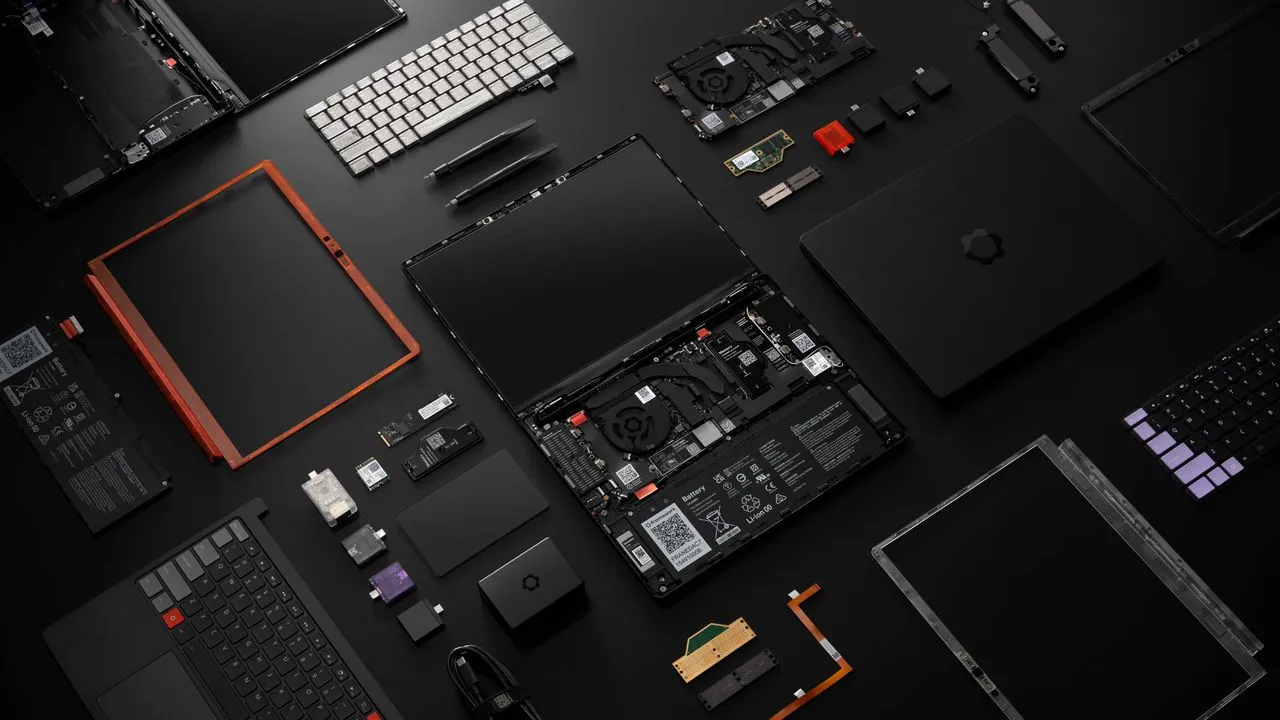
Framework’s head Nirav Patel says the company has qualified a new PCIe Gen 5 SSD from ADATA, the XPG MARS 970, and lowered the price. The change matters because it breaks the usual “bigger drive costs more” expectation for some Framework Laptop 13 Pro configurations.
Framework’s head honcho Nirav Patel is telling customers, in plain terms, that they finally have “good news” on PCIe Gen 5 SSD pricing. And the headline fact is exactly what it sounds like: Framework will supply a 1 TB PCIe Gen 5 SSD for less money than its previously qualified 500 GB Gen 5 option.
In Framework Laptop 13 Pro ordering, the new 1 TB version of the ADATA XPG MARS 970 is priced at $299. For context, Patel also put a firm number on the larger option: the 2 TB iteration is $659. The real reversal here is not just a discount, it is the pricing hierarchy. Patel’s blog post says the 1 TB lands at a lower cost than the 500 GB SSD Framework had previously qualified, so Framework will switch 500 GB orders to the 1 TB drive at the lower price as well.
If you are wondering whether this is the start of a broader collapse in “silly prices” for storage, Framework itself is not making a sweeping claim. The story is narrower and more operational than that. Patel says Framework qualified and sourced a new SSD from its partner ADATA, the XPG MARS 970, and that it “offers better performance, efficiency, and long term reliability,” while coming in at “substantially lower cost than the SSD option we had previously qualified.” In other words, the price movement seems tied to sourcing and qualification decisions, not a market-wide thaw that magically solved the entire supply chain.
Patel also addressed what happens to pre-orders. Framework says the price change will be passed on to “some existing pre-orders” that have not shipped yet, because Framework has not started shipping Framework Laptop 13 Pro pre-orders. The company will switch over existing pre-orders that selected the previous Gen 5 SSD options and reduce the price on those orders as well. That is a customer-impacting detail, but it is also a clue about how hardware companies manage obligations once parts are locked. Framework is essentially saying, if the order has not shipped, we can swap the component selection and reflect the new component economics.
So why does a laptop SSD price cut matter beyond shopper excitement? Because Gen 5 storage sits at the intersection of two pressures executives care about: component availability and BOM risk. Even if the PC industry has seen improved flows at different times, the “memory and storage shortage” idea is a recurring board-level concern because it can force higher costs, longer lead times, or both. This Framework move is a reminder that even within a constrained technology generation, unit economics can improve when qualification teams find a supplier that clears the performance, efficiency, and reliability bar at a lower cost.
There is also an angle that finance teams will appreciate: partial visibility. The ADATA XPG MARS 970 “doesn’t appear to be available to buy separately from the usual online retailers,” at least based on the source. That means direct price comparisons against what consumers can find elsewhere are “tricky.” For decision-makers, that is significant. It implies that the list prices customers see through an OEM configurator may reflect a negotiated supply deal and qualification process more than a public retail market snapshot.
Still, the story lands in a way that many buyers will feel immediately. Framework is also implicitly offering a lesson in procurement behavior: there are cheaper Gen 5 drives available, but they may not be comparable in spec or performance. For executives watching product margins, this is the tension between headline affordability and engineering compatibility. A Gen 5 drive that is cheaper at retail might not meet the performance, efficiency, and long term reliability expectations of a specific laptop design and its validation suite.
Strategically, Framework’s narrow price cut is best read as an OEM sourcing win that could become a playbook. If the company can keep finding qualified alternatives with better cost curves, it can reduce customer friction without waiting for the entire industry to normalize. For peers and investors, the stakes are clear: BOM volatility is real, but it is not only macro-driven. It is also micro-driven by qualification, supplier partnerships, and the willingness to revisit previously selected components before shipping locks in higher costs.
This story's Key Insights and Take-aways are locked.
Create a free account to unlock Executive Actions for one credit.
Register to UnlockAlways free for Executives Club members. Join the Club
More in Business

Comcast shares jump 25% as it plans to split NBCUniversal and Sky
The tax-free spin-off could reshape focus, funding, and competition across media and tech for years.

Bungie cuts most Destiny 2 staff as Sony says Marathon still matters
Herman Hulst confirms layoffs affecting most Destiny and some Marathon teams after Bungie admits Destiny fell short.

SK Hynix jumps 11% after seeking up to $29.4B in Nasdaq listing
The chip giant filed for a Nasdaq listing plan that could raise $29.4 billion, instantly reshaping investor expectations.