
Francis Ford Coppola executive produces Garrett Brown Steadicam documentary Thank You Mr. Brown
A new feature documentary in production spotlights Garrett Brown's camera inventions, with Coppola and C'est What Studio backing.
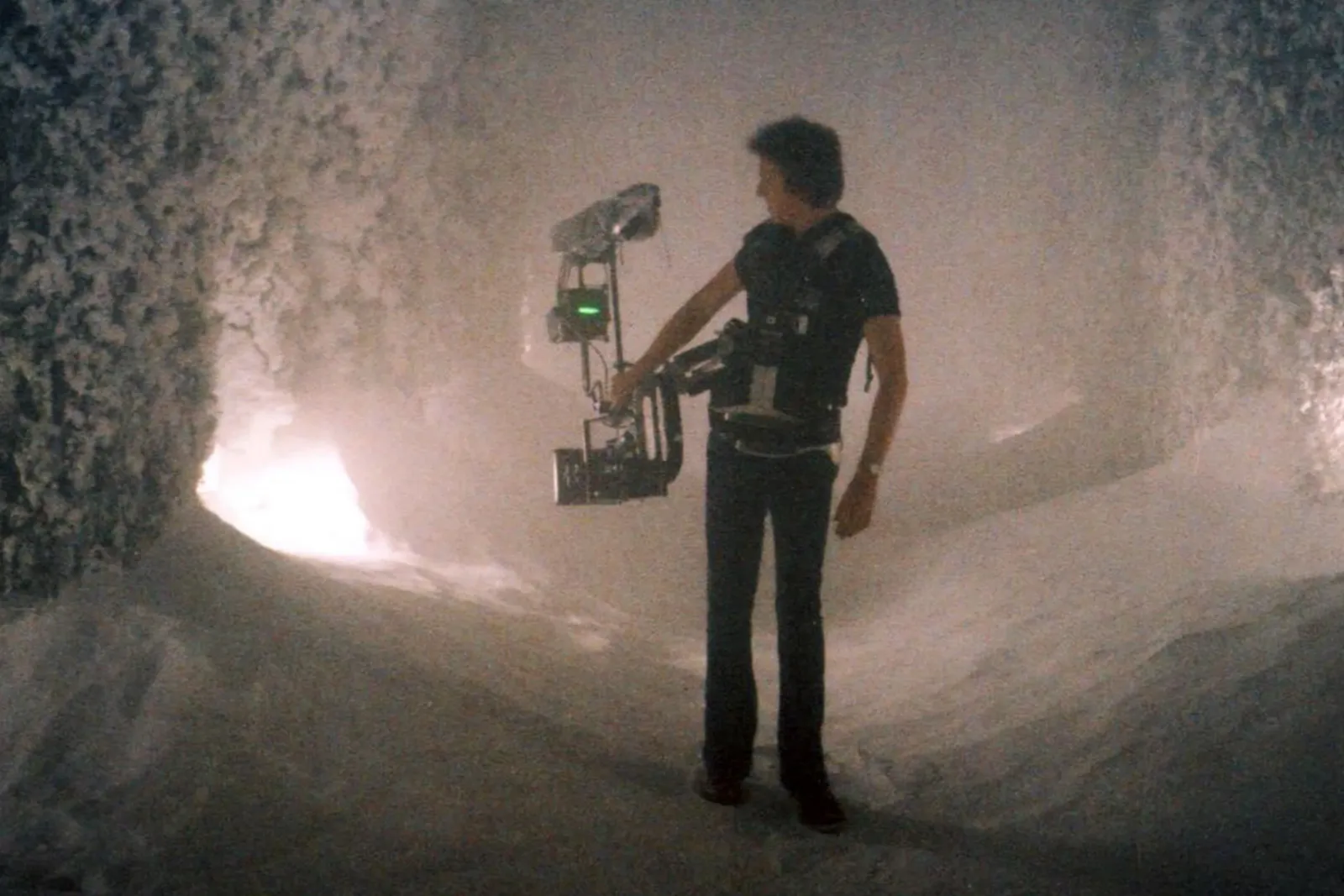
Francis Ford Coppola is executive producing the feature documentary Thank You Mr. Brown, about Garrett Brown, inventor of the Steadicam, SkyCam, and DiveCam. Andrew Schwartz is directing, and production is underway alongside Lauren Zarelli Renaud of C'est What Studio.
Francis Ford Coppola is executive producing Thank You Mr. Brown, a feature documentary now in production that centers on Garrett Brown, the inventor behind the Steadicam, the SkyCam, and the DiveCam. That is a rare kind of entertainment moment: a mainstream movie heavyweight stepping in not to adapt a story, but to spotlight the technical origin story of how modern camera movement became a storytelling superpower.
The project matters because it is tying together three things executives usually treat separately: creative prestige, technological legacy, and the practical craft of invention. Coppola is producing at the executive level alongside Lauren Zarelli Renaud of C'est What Studio, while Andrew Schwartz directs the story of the cameraman and inventor. In other words, the documentary is not just “about” Brown, it is built to translate his career from engineering impact into narrative meaning, with high-profile names signaling that this is meant to reach beyond niche film history circles.
Zoom out for a second to see why this is a bigger signal than it might look at first glance. Tools like the Steadicam are not just gadgets. They reshape what filmmakers can do. When a camera becomes more stable, more mobile, or more adaptable to different filming environments, creators can change pacing, scale, and perspective without constantly fighting the constraints of equipment. That kind of shift ripples outward into production decisions, budgets, and even the look audiences learn to expect. A documentary that frames Brown as a central figure in that change is basically asking the industry to revisit the engineering backbone beneath the art.
Then there is the “creator economy” angle, even if this is a film project. Garrett Brown is a rare hybrid: inventor and cameraman. Documentaries about origin stories of technologies and creators often act like a cultural pressure valve, turning technical history into something accessible and emotionally legible. For executives, that is a distribution and brand strategy. Prestige talent attached to a technical subject can lower the barrier to entry for mainstream viewers, while still giving investors and partners a clear marketing hook: innovation with an on-screen legacy.
The production setup also hints at how these deals get structured in practice. Coppola and Lauren Zarelli Renaud of C'est What Studio are executive producing, and Andrew Schwartz is directing. This split matters because it distributes risk and influence in a way the industry understands well. Executive producers often help with packaging, access, and credibility, while the director shapes the storytelling approach and what is ultimately “felt” by the audience. The source does not spell out budgets, distribution plans, or attached cast, but the roles themselves are a checklist of how these projects get assembled.
From a boardroom perspective, the second-order implications are about portfolio logic. Film and documentary slates increasingly function like tech-adjacent portfolios: you do not just bet on a single title, you bet on the durability of a theme. If a documentary about camera invention performs, the brand equity can be leveraged for future projects about other creators and innovators behind the scenes. If it underperforms, at least the project is anchored by a tangible, well-defined subject: specific inventions tied to a real person, not an abstract concept.
There is also a regulatory and compliance undercurrent worth acknowledging, even though the source does not mention it directly. Documentaries that cover inventors and their work typically intersect with rights issues, archival materials, and claims about credit. In practice, that means production teams have to be careful about permissions and documentation, especially when the subject is connected to widely used tools that have been referenced across generations of media. Executives and producers know this, and the presence of established film leadership often signals that those mechanics are being handled with the seriousness they require.
For peers in media, entertainment, and adjacent industries, the strategic stakes are straightforward. If Thank You Mr. Brown turns invention into mainstream story, it reinforces a playbook: credibility plus craft plus a concrete, nameable origin point. And in a market where attention is expensive and audiences expect both spectacle and specificity, that combination can be an advantage. The documentary is telling the story of how Garrett Brown's camera innovations changed what is possible on screen, and with Coppola and C'est What Studio executive producing, the message is clear: the technology behind the magic deserves center stage.
This story's Key Insights and Take-aways are locked.
Create a free account to unlock Executive Actions for one credit.
Register to UnlockAlways free for Executives Club members. Join the Club
More in Entertainment

Russell Brand's accuser 'bewildered and confused' as he denies 7 sex charges
The criminal case against the comedian is a live test of how media companies manage talent risk when serious allegations go public.

'It's a Magic Trick': Ballet Experts Say Rosalía's SNL Pose Is Impossible
Three ballet experts tell Rolling Stone Rosalía's gravity-defying SNL stillness shouldn't be possible - and why the debate is now part of the show.

Activision CMO: GTA 6 Will Boost Call of Duty, Not Bury It
Activision's top marketer says Rockstar's blockbuster will drive players back to consoles and into Modern Warfare 4, even as the company admits its recent strategy failed.