

Fred Durst brings Tom Green onstage to rip up ‘Rollin’’ at Ottawa Bluesfest
The comedian, introduced by Durst during Limp Bizkit’s July 11 set, joins on vocals for the 2000 classic.
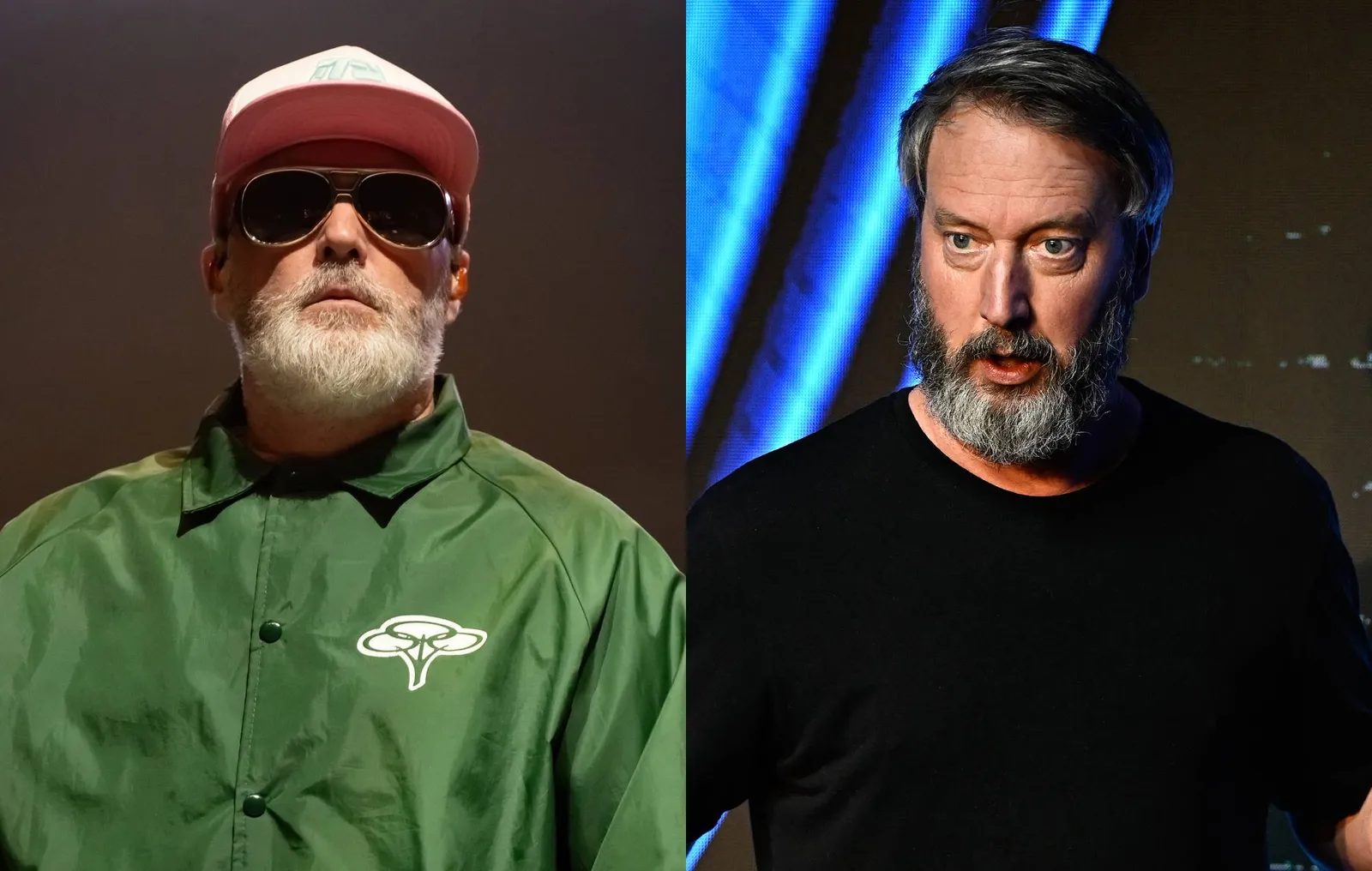
Fred Durst introduced Tom Green to the stage during Limp Bizkit’s set at Ottawa Bluesfest on Saturday, July 11, and the two performed ‘Rollin’ (Air Raid Vehicle)’ together. For live-event and music executives, the moment underlines how legacy acts are monetizing nostalgia with mainstream-friendly TV-era recognition.
Limp Bizkit didn’t just play ‘Rollin’ (Air Raid Vehicle)’ at Ottawa Bluesfest this weekend. They brought Tom Green out during the Saturday, July 11 set, with frontman Fred Durst introducing the comedian before Green joined on vocals.
If you track why this matters, it starts with the second-order effect: the collaboration instantly links Limp Bizkit’s nu-metal legacy to a mainstream, MTV-era punchline that still reads culturally. Green walked out wearing denim overalls and sporting a long grey beard, bantered with the crowd, and then stepped into the song’s rhythm, trading lines with Durst during the 2000 single. That’s the payoff. The nostalgia hit you came for. But the mechanism is what executives should notice, because it is not just “the hits rollin’.” It is smart staging of two recognizable entertainment brands in one shared moment.
To understand the stakes, rewind to what ‘Rollin’’ actually represents. The track was released as a single from Limp Bizkit’s third album, ‘Chocolate Starfish And The Hot Dog Flavored Water’, and it remains one of the band’s defining songs. The song also became closely associated with the MTV era, arriving around the same time Limp Bizkit were fixtures on Total Request Live. In other words, this is not only a crowd-pleaser. It is a time capsule that connects multiple generations who may have different reasons for buying tickets, streaming, or showing up for festivals.
Green’s mainstream breakout also ran through the same kind of visibility machine. He reached broad audiences on MTV with ‘The Tom Green Show’ in 1999 and 2000, right when Limp Bizkit were rising in the MTV ecosystem. So when Durst and Green share a stage for ‘Rollin’’ in 2025, the show is effectively reenacting a long-running overlap between comedy television and alt-rock culture. That overlap is exactly the kind of “crossover clarity” live music relies on now, when audiences increasingly choose events based on moments they can remember and share, not just setlists.
There is another reason this matters beyond one viral clip: Limp Bizkit’s current comeback arc. The band recently headlined Download Festival for the first time, 23 years after they were first meant to top the bill. At Download, the set became a platform to pay tribute to their late bassist Sam Rivers, who died last year and was described by the band as “the soul in the sound.” While Ottawa Bluesfest is not the same venue or audience, the through-line is consistent: legacy acts are leaning into narrative, not only performance, and the narrative includes both past impact and present-day cohesion.
Executives also have a clean angle on what is fueling the momentum. Guitarist Wes Borland recently said the band are “the biggest we’ve ever been right now” after their resurgence online and huge recent festival appearances. He described it as “crazy” without sounding cocky, adding that they cannot believe it and that they think the reason is they “get along so well now,” they are adults, and they are still having fun, which “translates to the audience.” Whether you are a label leader, an agent, a promoter, or a board member making budget calls, the business lesson is that audience demand is being rekindled by authenticity plus visibility, not only by catalog.
Even the release cadence signals how the machine is being run. The band’s last new music arrived last September with the standalone single ‘Making Love To Morgan Wallen’, their first new material since the 2021 album ‘Still Sucks’. That matters because it shows they are not trying to out-release newer artists. They are activating relevance around the brand they already built, and then using high-profile public moments like an Ottawa Bluesfest cameo to keep the conversation alive.
For peers in the live and entertainment ecosystem, the second-order implication is straightforward: the “guest spot” is now a strategic lever, not a casual bonus. Bringing Tom Green onstage makes the performance feel like an event, not a routine festival set, while also connecting to MTV-era mainstream visibility that can travel across platforms. And because Durst introduced Green during the set and Green actively joined vocals for ‘Rollin’ (Air Raid Vehicle)’, this is not a stunt that disappears after a photo. It lands inside the song itself, where it can convert casual attention into real memory. That is the kind of staging legacy acts will keep using as their advantage, especially when mainstream culture recognizes the names and the audience is hungry for moments that feel both nostalgic and newly minted.
This story's Key Insights and Take-aways are locked.
Create a free account to unlock Executive Actions for one credit.
Register to UnlockAlways free for Executives Club members. Join the Club
More in Entertainment

12TB Steam 'teraleak' goes beyond Valve: GTA 3, Mafia 2 prototypes exposed
A 12-terabyte dump of Steam data reveals prototypes and builds of third-party classics like GTA 3 and Mafia 2, plus unreleased Valve content, rewriting game history.

LinkedIn's romance problem: 1 in 4 workers say dating on it is fair game
A new survey shows a quarter of U.S. employees treat the professional network as fair game for romance, even as LinkedIn bans it and removes hundreds of thousands of offending posts.

Enhypen's first No. 1 album breaks K-pop's Billboard 200 streak
The K-pop group's 98,000-unit debut tops the chart while Dolly Parton's catalog reentry shows how death reshapes streaming.