

FromSoftware finally sets Elden Ring's Switch 2 release date
The long-awaited port now has a date, giving Nintendo and FromSoftware a clearer launch window for one of gaming's biggest brands.
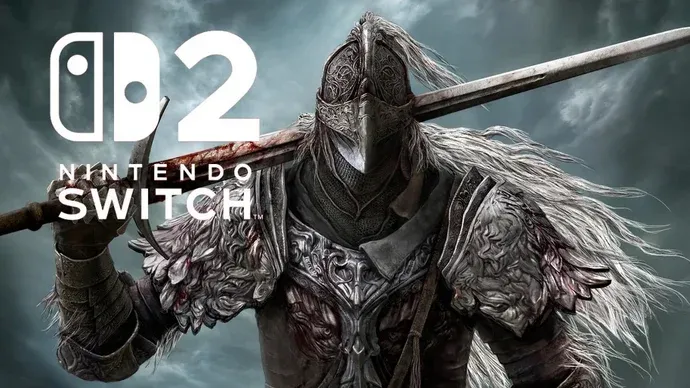
FromSoftware and Bandai Namco Entertainment have finally announced a Switch 2 release date for Elden Ring. For decision-makers, it is a reminder that premium IP can keep extending its life across hardware cycles when publishers time the rollout carefully.
FromSoftware and Bandai Namco Entertainment have finally announced a Switch 2 release date for Elden Ring. That is the whole headline, and it matters because one of gaming's biggest modern franchises now has a clear landing spot on Nintendo's next console. The announcement removes uncertainty around when players will be able to take Elden Ring onto Switch 2, and for the companies behind it, that means a major piece of software strategy is no longer floating in rumor territory.
The key detail is not just that Elden Ring is coming to Switch 2. It is that FromSoftware and Bandai Namco have now put an actual release date on it, which turns a broad promise into something the market can plan around. In game publishing, dates are not decoration. They shape marketing spend, preorder momentum, platform messaging, and how long a title can stay at the center of a conversation before the next wave of hardware and software news washes over it. When a game with Elden Ring's scale gets a confirmed release date for a new platform, it gives both the publisher and the platform holder something concrete to sell.
For context, Elden Ring is not an ordinary back-catalog port. It is one of FromSoftware's defining hits, and a title that already carries broad name recognition far beyond the usual action RPG audience. That makes its arrival on Switch 2 strategically important in a way that goes beyond a simple extra SKU. Nintendo's next-generation hardware needs recognizable tentpoles, and third-party publishers need reasons for players to treat a new console as more than a first-party box on day one. A game like this helps bridge those interests. It gives Nintendo another high-profile software story, and it gives Bandai Namco another way to extend the commercial life of a blockbuster that has already done heavy lifting elsewhere.
That matters because hardware launches are as much about confidence as they are about specs. For consumers, a release date answers a simple question: when can I actually play this? For publishers, it answers a harder one: how do we sequence demand across platforms without burying the product under its own hype? FromSoftware and Bandai Namco now have a date they can build around, which should help align promotion, distribution, and press attention. It also signals that the Switch 2 version is not merely a theoretical future release. It is now scheduled, and scheduled software tends to get treated differently by retailers, media, and players than vague platform support that might still be months or quarters away.
There is also a broader industry reason this lands. Big games increasingly live across hardware generations, and publishers have learned that the value of top-tier IP does not end with its first launch window. Instead, the same name can be refreshed, reintroduced, and re-monetized as new platforms arrive. That is especially true when a title has already crossed into the mainstream, as Elden Ring has. A new release date on Switch 2 is not just about one extra platform. It is about keeping a premium franchise in circulation, giving it another burst of relevance, and making sure it is part of the conversation when the new console starts building its identity.
For executives watching the gaming business, this is the kind of move that looks small on the surface and meaningful underneath. A release date sounds basic. In practice, it is a coordination point between creative teams, commercial teams, and platform strategy. It helps determine when the title can be marketed, when it can be stocked, and how it will sit alongside other launch-period software. It also creates an expectation that must now be met. Once a date is public, delay risk becomes more visible, and the business pressure shifts from announcement to execution. That is true for any publisher, but especially for a brand as prominent as Elden Ring, where the audience will notice if the rollout slips or the product does not meet the standard set by the name.
For peers in gaming, media, and consumer tech, the second-order lesson is straightforward. Big IP still has a lot of leverage, but timing is the unlock. The companies that can pair proven brands with the right platform moment can turn a familiar title into a new commercial event. FromSoftware and Bandai Namco have now done the easy part: they have made the Switch 2 version of Elden Ring real by attaching a date to it. The hard part starts now, because the market will judge the rest on delivery.
This story's Key Insights and Take-aways are locked.
Create a free account to unlock Executive Actions for one credit.
Register to UnlockAlways free for Executives Club members. Join the Club
More in Entertainment

Christopher Nolan’s “The Odyssey” posts his biggest Tuesday haul, surpassing “The Dark Knight’s” record
The film’s Tuesday breakout reframes Nolan’s box-office ceiling and forces competitors to rethink timing, budgets, and release strategy.

Kacey Musgraves cancels Aug. 20, 29, Sept. 2 Middle of Nowhere shows
Ticketmaster emails are telling fans refunds are coming, while the tour still starts Aug. 21 in Chicago.

Billie Joe Armstrong launches Epiphone Les Paul Junior and Marshall 1959BJA signature gear
Two limited releases turn decades of Green Day’s tone into branded hardware, including Marshall’s first artist amp in 14 years.