

FTC antitrust clock stretched to May 2025 for Weber Blackstone CEO Roger Dahle
The Weber-Blackstone deal is done, but the FTC process shows how deal timing can still hijack strategy.

Weber Blackstone CEO Roger Dahle took Blackstone from TikTok viral griddles to merging into Weber after a 2024 agreement. The Federal Trade Commission antitrust review ran until May 2025, shaping how fast the combined company could actually move.
Weber Blackstone CEO Roger Dahle says the FTC antitrust review for the Blackstone-Weber combination dragged into May 2025, even though the deal itself was “fine” once the commission was fully staffed. Dahle, who started Blackstone in 2008, describes signing the merger agreement in December, then getting caught in holiday timing and an administration transition that delayed the final decision.
That timeline matters because it controlled the operating calendar for a high-growth company that had just built major momentum. Blackstone went super viral in 2021 as smashburger videos relentlessly circulated on TikTok. By 2022, Dahle had already found a private equity partner to take possession of manufacturing-partner shares, and Blackstone and its manufacturing and growth machine were no longer waiting around for capital markets, SPACs, or regulators to catch up.
Here is the full arc, fast. Dahle started Blackstone in 2008, then built it into a manufacturing-backed griddle business. In 2015, he teamed up with a father-son family partnership from Taiwan with facilities in mainland China, who became an equity partner as they began building for him. Blackstone’s growth from 2015 through 2020 got so rapid that the father reached retirement age and wanted to slow down, which triggered a process to sell his family’s equity stake.
That process pushed Dahle toward the financial markets, including almost going public via a SPAC. During roadshows, Dahle met Byron Trott, who owns BDT and has held Weber since 2010. Weber and Dahle’s earlier talks centered on a potential transaction where Weber would acquire Blackstone, but Dahle says the timing “wasn’t right,” so the deal did not happen. Then the SPAC path broke when the financial markets “fell to pieces,” and Weber and Traeger had already gone public, run high, and then “went really low.” The SPAC outcome was a miss, not a runway.
By 2022, Dahle pivoted again, finding a private equity group that took possession of the Chinese manufacturing partner’s shares. In 2024, Blackstone continued to grow “at phenomenal” speed, culminating in a two-year accomplishment that Dahle says his private equity partner originally expected would take five years. When that success made Dahle look outward again, Trott called him and proposed combining rather than acquiring: a merger meant to link the companies together.
The agreement landed by the end of 2024, but regulatory reality set the pace. Dahle says the antitrust process with the Federal Trade Commission started when the agreement was signed in December. The FTC, he explains, has 30-day windows to approve or require further review, so the initial clock could not be meaningfully completed in December due to holiday breaks. The agency extended the review until the end of February. It then extended one more time because the commissioners and the new administration had not been fully appointed, leaving Dahle in what he described as “no man's land,” as the FTC needed all five commissioners in Washington, DC. Once fully staffed, the FTC called and told them, in Dahle’s words, “your deal's fine. Go ahead.”
So was it the kind of grinding scrutiny you might expect from a high-profile tech or media megadeal? Dahle frames it differently. He notes that the grill and outdoor cooking space has “a surplus of competition,” with brands showing up constantly and every major retailer carrying private label. In that environment, the concern is less about a single monopoly outcome and more about whether consolidation meaningfully changes bargaining power across a category that already has intense retail dynamics.
Dahle’s strategic point is also about culture and integration. He says the merger is now in place, just barely over a year, and he is “eager” to break down the silos that he describes as having formed around Weber’s storied but more siloed approach. There are also practical questions, like whether the chip market could affect Weber’s connected thermometer business, another reminder that combining two product ecosystems is not only a legal exercise. It is also an operational synchronization problem: manufacturing, supply chains, connected devices, retail relationships, and the organizational habits that come from separate histories.
For executives watching this, the lesson is blunt. Even in a category that can look like it has “infinite brands,” deal timing is still a strategic variable, not a background detail. If you plan growth around a transaction close date, an FTC process that stretches through administrative transitions can quietly force you to delay the things that actually create value: integration milestones, cross-brand roadmap decisions, and the culture-building that makes synergy real. Dahle’s story is a reminder that the grilling industry is evolving, but regulators and capital markets still run on their own schedules.
This story's Key Insights and Take-aways are locked.
Create a free account to unlock Executive Actions for one credit.
Register to UnlockAlways free for Executives Club members. Join the Club
More in Business
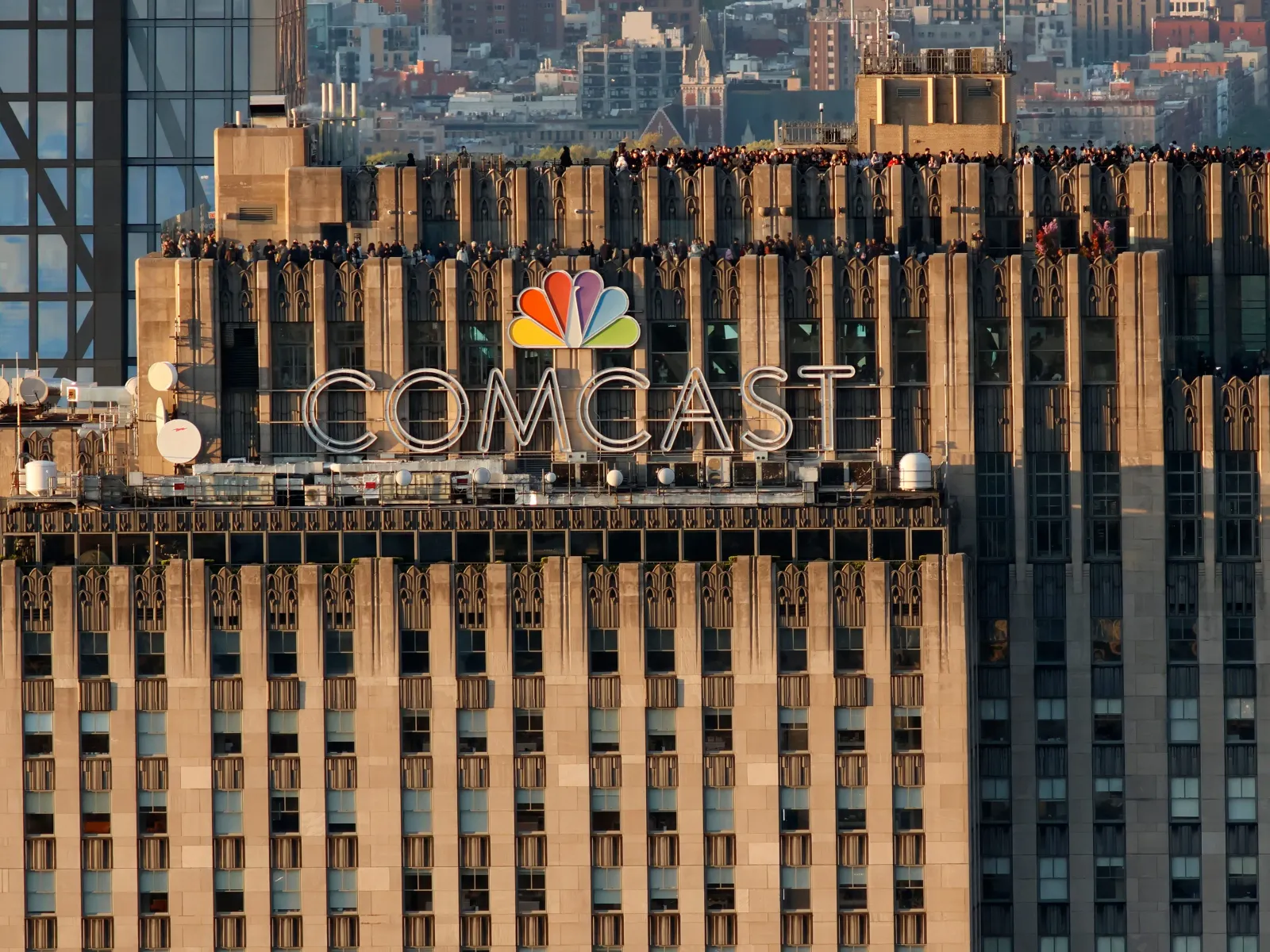
Comcast shares jump 25% as it plans to split NBCUniversal and Sky
The tax-free spin-off could reshape focus, funding, and competition across media and tech for years.

Bungie cuts most Destiny 2 staff as Sony says Marathon still matters
Herman Hulst confirms layoffs affecting most Destiny and some Marathon teams after Bungie admits Destiny fell short.

SK Hynix jumps 11% after seeking up to $29.4B in Nasdaq listing
The chip giant filed for a Nasdaq listing plan that could raise $29.4 billion, instantly reshaping investor expectations.