
FTSE 100 CEOs make £5.06m, High Pay Centre finds: 130x worker pay gap hits 8-year high
A record FTSE 100 median CEO pay rise widens the UK earnings gap again, forcing boards to confront optics and incentives.

The High Pay Centre’s final report says the median remuneration of a FTSE 100 CEO hit a record £5.06m in the last financial year. The update shows an 8.6% increase from £4.66m the previous year and points to the widest earnings gap with workers in eight years.
If you want a single number that captures why UK pay inequality is back in the spotlight, it’s this: FTSE 100 CEOs earned a record median of £5.06m in the last financial year. The High Pay Centre says that figure is up 8.6% from £4.66m the previous year, and it is the highest level on record. In plain English, that means the typical top executive pay package has climbed again, even as attention on worker pay has stayed sharp.
And the consequence is not just a bigger cheque. The report links these record earnings to the widest earnings gap between bosses and workers in eight years. That is the real headline-grabber because it turns a pay statistic into a social and governance problem for corporate Britain: the farther apart the numbers get, the harder it is for companies to defend their incentive structures, especially when shareholders and the public are watching pay disclosures more closely than ever.
To understand why this matters for executives and boards, zoom out to how pay decisions get made in large listed companies. CEO remuneration at FTSE 100 firms typically reflects a mix of base pay, annual incentives, long-term incentives, and other components. The High Pay Centre’s focus on “median remuneration” is important here because it highlights the typical outcome across the index, not just outliers at the very top end. When the median rises, it suggests broad-based board decisions, not a one-off event at a single company.
There is also a feedback loop in the market. When one year’s pay becomes the next year’s reference point, compensation committees can face a “keep up” pressure. Boards may argue that pay is tethered to performance and retention, but the public debate increasingly centers on the ratio between CEO pay and worker earnings. That is where the report’s eight-year framing bites: it implies this is not a brief wobble. It is a widening pattern, and this is the moment it becomes clearly visible.
The report also underscores how quickly optics can turn into governance scrutiny. High pay is rarely debated in isolation. It gets cross-examined against worker wages, inflation pressures on household budgets, and the broader sense that corporate rewards have outpaced ordinary earnings. Even if a company believes its CEO compensation is justified, a widening gap raises questions about fairness and legitimacy. That can show up in shareholder voting outcomes, engagement conversations, and media coverage. The High Pay Centre’s final report wording makes clear it sees record CEO remuneration as a driver of the widest earnings gap in eight years.
For decision-makers, the timing matters too. This is described as “the last financial year” data, and it comes through the High Pay Centre’s final report, which is positioned as the closing view of this compensation cycle. That means boards should treat it as more than a retrospective statistic. Compensation committees typically build frameworks that last multiple years, and the public will judge the direction of travel, not just the details of one annual grant or one year’s outcome. If the median is reaching record levels, it can become harder to defend changes that do not clearly change the trajectory.
So what should peers in similar roles take from this? The strategic stakes are straightforward. When median CEO pay climbs to £5.06m and the gap with workers becomes the widest in eight years, executives cannot rely on ambiguity. They need a credible story that connects the pay design to business performance and workforce realities, and they need it to withstand the ratio-focused lens the report highlights. For boards, that may mean stress-testing remuneration outcomes against equity concerns, reviewing how incentives interact with cost pressures experienced by employees, and ensuring disclosures anticipate the questions that come with record figures.
The High Pay Centre’s data-driven framing is the warning shot here: this is the highest level on record for FTSE 100 chief executive median remuneration, and it coincides with the widest earnings gap with workers in eight years. In governance terms, the direction of travel is the key issue. If the next report keeps showing record medians and a widening gap, boards may find that pay policy becomes the battleground where legitimacy is earned or lost, not just a line item on an annual report.
This story's Key Insights and Take-aways are locked.
Create a free account to unlock Executive Actions for one credit.
Register to UnlockAlways free for Executives Club members. Join the Club
More in Business

Uber buys Delivery Hero for nearly $15B, vaulting to top food delivery outside China
The deal doubles Uber's dual-services footprint and pushes a ride-and-eats bundling play into 50 more markets.

Epic and Google drop settlement bid, forcing rival Android app stores by July 22
Google told the court it is ready to carry third-party app stores starting Wednesday, July 22.
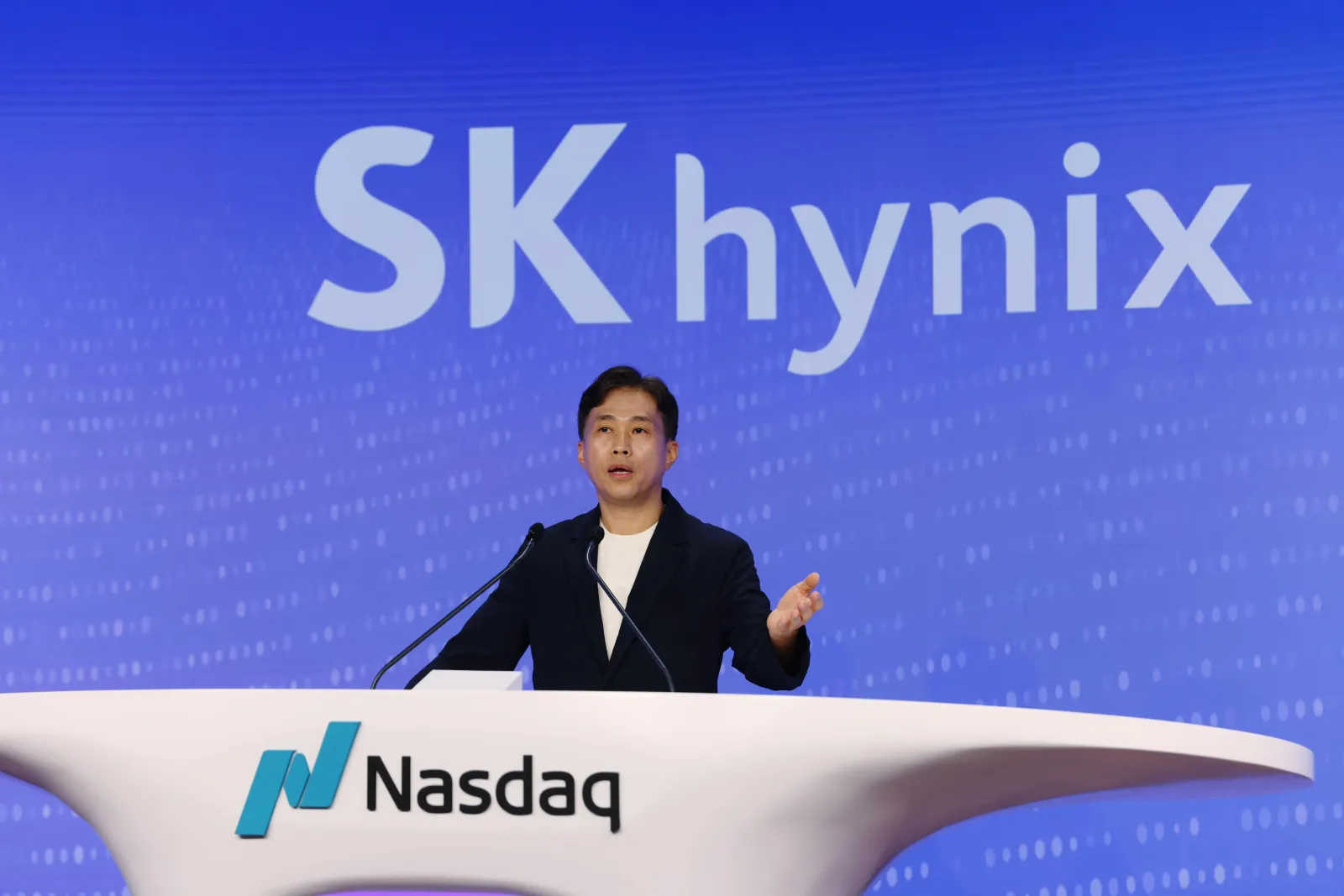
SK Hynix opens at $170, raises $26.5B, and tops foreign IPO records
In Friday's Wall Street debut, SK Hynix turns AI RAM demand into a $26.5B fundraising moment that rewrites comps.