
Fumito Ueda says Bluepoint shutdown “had no heads-up” and breaks his rematch plans
Sony closed Bluepoint Games in 2026, and Shadow of the Colossus creator Fumito Ueda regrets the lost chance to collaborate again.
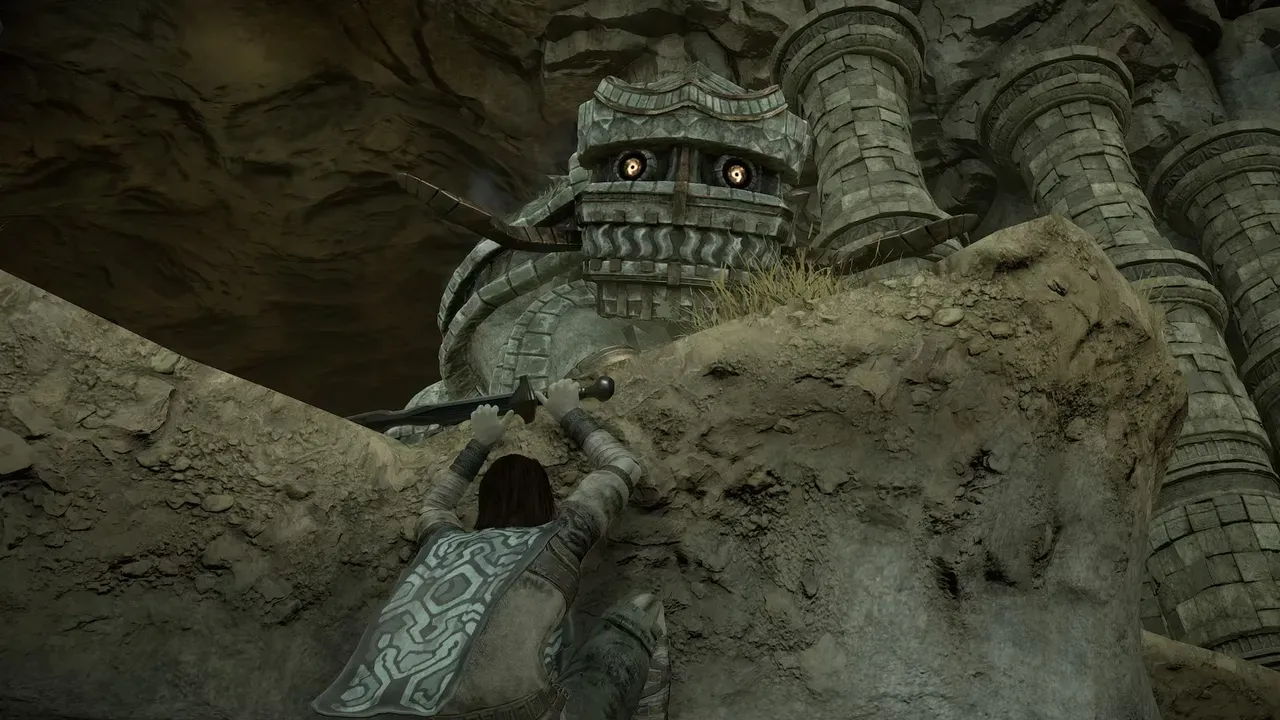
Fumito Ueda, the original creator of Shadow of the Colossus, told IGN he learned about Bluepoint Games' 2026 shutdown at the same time as the public and had hoped to work with the studio again. The closure matters to executives because it exposes how quickly platform and live-service bets can erase years of studio momentum and quietly reallocate the industry’s creative pipeline.
Sony shut down Bluepoint Games earlier in 2026, the studio behind the Demon’s Souls and Shadow of the Colossus remakes. In an IGN interview, Fumito Ueda, the original creator of Shadow of the Colossus, said the closure came without warning and that he had hoped to collaborate with Bluepoint “at least once more.”
Ueda said he had “no heads-up” about Bluepoint’s demise. “So obviously, we had no heads-up,” he said. “We're not directly in relation with any project, so I heard about it at the same time you guys probably did in the news, and it was disappointing and sad to hear.” He added, “I would have hoped that maybe in the future there could be a chance to work with them on something. So yeah, it's very sad to hear the news.” That phrasing is blunt in the way only a creator can be: even when you are not in the middle of a production, a studio ending still feels like a personal severing of a working relationship.
To understand what got lost, it helps to look at what Ueda actually did with Bluepoint. He said he collaborated with the studio “a number of times,” including on 2011’s The Ico & Shadow of the Colossus Collection and the 2018 Shadow of the Colossus remake. In other words, Bluepoint was not a distant partner. They were one of the few studios that repeatedly translated Ueda’s vision into a modern, playable language. So when Bluepoint disappears, it is not just a corporate headline. It is a creative pipeline that vanishes, and with it, the chance to revisit specific ideas.
That is why Ueda’s exchange about Ico lands. After he explained that he could not easily answer what project he might have worked on next, he pointed to Bluepoint’s track record: “as we know how Bluepoint operated, is that they work on really good remakes.” The interview then moved toward a concrete guess. “Maybe Ico?” IGN asked. Ueda replied, “Maybe Ico,” with a smile. It is not a promise, but it is a window. If Bluepoint had remained operational, remakes were the lane they were proven to excel at, and Ico was the obvious next destination for fans who never stopped imagining a modern interpretation.
But the timing is the story, and the timing is harsh. Before its shutdown, Bluepoint spent several years developing an unannounced live-service God of War title. Then Sony canceled that project in early 2025. After the cancellation, Bluepoint’s final months were reportedly spent pitching various new concepts, including a Ghost of Tsushima spinoff, a Bloodborne remaster, and a renewed Shadow of the Colossus remake. There was no word on Ico during that period, but even that absence matters. It suggests that studio continuity depends not only on creative demand, but on whether a platform owner can justify funding an approved lane. When those approvals vanish, the studio’s ability to convert momentum into shipped work can evaporate fast.
This is where the executive implications start to show up, even for people who do not live and breathe game studios. When a platform company builds a pipeline around live-service bets, the board-level logic tends to be unforgiving: if a project gets canceled, the downstream assets do not automatically turn into alternative revenue. They become headcount reductions, stalled productions, and, in some cases, studio shutdowns. Bluepoint’s closure is one more entry in what IGN described earlier this year as a PlayStation acquisition horror story, and the pattern is the warning: ownership does not protect creativity from strategy resets.
There is also a second-order effect for the creators and the surrounding ecosystem. Ueda is already hard at work on his upcoming project, gen ATLAS, described as a sci-fi adventure starring giant robots, and it represents a move away from the fantasy settings he is known for. IGN notes that gen ATLAS received its full reveal at this year’s Summer Game Fest. That is good news for Ueda’s fans, but it is not a like-for-like replacement for Bluepoint’s role. A creator can continue shipping, but the specific value of Bluepoint was translation quality at the remake layer. Losing a studio that specializes in that translation changes what gets revived, what gets modernized, and how quickly those experiences can reach new audiences.
Finally, there is a structural shift in who gets to touch Ueda’s next chapter. IGN reports that gen ATLAS will be published through a publishing deal with Epic, and that the debut game from Ueda’s new studio, genDESIGN, will be the first time one of his releases has not been a PlayStation exclusive. For decision-makers, that matters because it signals that studios and creators are not only reacting to cancellations, they are also adjusting their dependency risk. If Bluepoint shutdown is a cautionary tale about platform strategy volatility, then Ueda’s publishing path is a reminder that alternative routes exist. The strategic stakes are clear for anyone running a studio, investing in talent, or building a content pipeline: the market may reward quality remakes and creator-driven worlds, but the gatekeeping variable is still often internal platform decisions. When those decisions swing, partnerships that once looked long-term can disappear overnight.
This story's Key Insights and Take-aways are locked.
Create a free account to unlock Executive Actions for one credit.
Register to UnlockAlways free for Executives Club members. Join the Club
More in Entertainment

Christopher Nolan’s “The Odyssey” posts his biggest Tuesday haul, surpassing “The Dark Knight’s” record
The film’s Tuesday breakout reframes Nolan’s box-office ceiling and forces competitors to rethink timing, budgets, and release strategy.

Kacey Musgraves cancels Aug. 20, 29, Sept. 2 Middle of Nowhere shows
Ticketmaster emails are telling fans refunds are coming, while the tour still starts Aug. 21 in Chicago.

Billie Joe Armstrong launches Epiphone Les Paul Junior and Marshall 1959BJA signature gear
Two limited releases turn decades of Green Day’s tone into branded hardware, including Marshall’s first artist amp in 14 years.