
Future’s ‘The Real Me’ debuts No. 1, becomes his 12th Billboard 200 chart win
A No. 1 album launch that tightens Future’s race for most all-time Billboard 200 leaders, with Top 10 rivals entering fast.
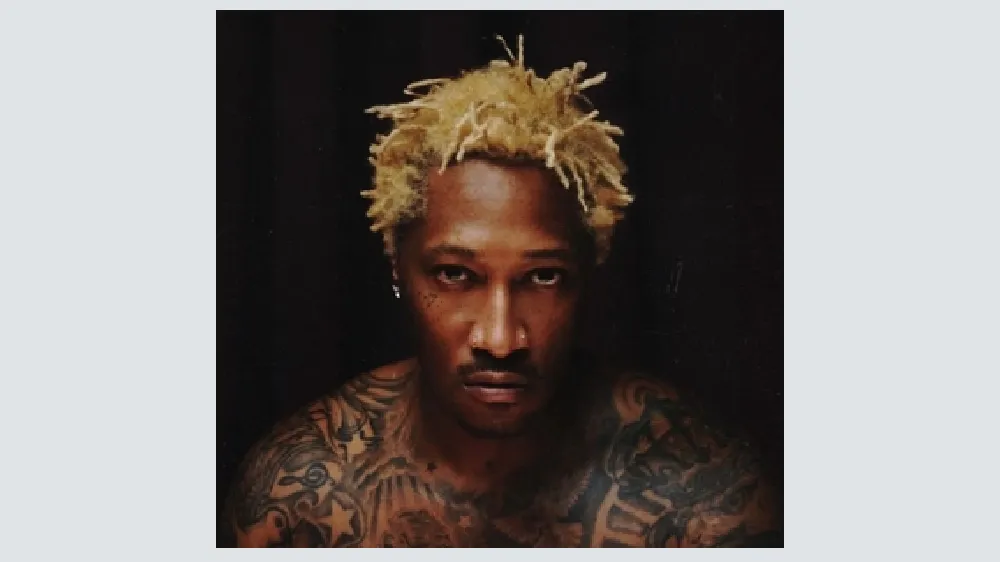
Future debuted at No. 1 on the Billboard 200 with 'The Real Me,' delivering his 12th No. 1 album. For decision-makers in music, this resets the competitive scoreboard for chart dominance and catalog value right now.
Future just did the thing every major-label strategist quietly tracks: he landed at No. 1 the hard way, by debuting at the top of the Billboard 200. With “The Real Me,” the rapper notched his 12th No. 1 album on the chart. That matters because it moves him into fifth place on the broader all-time list of artists with the most No. 1 albums.
The immediate takeaway is simple but powerful. A No. 1 debut is not just bragging rights. It is a signal to streaming platforms, retailers, playlist curators, and radio programmers that demand is real and concentrated at launch. For Future, “The Real Me” becoming his 12th No. 1 means he is now in fifth place in the ongoing race for the most chart-topping albums in Billboard 200 history.
If you work in music, you already know what this category of event triggers behind the scenes. A debut that lands at No. 1 tends to amplify nearly everything that follows: social visibility, press coverage, and the distribution flywheel. It also influences how industry players evaluate momentum. Chart leaders can become self-reinforcing, not because people suddenly become fans overnight, but because every stakeholder wants to be aligned with current demand. That is why chart performance is closely watched as an input into marketing spend, content strategy, and release timing.
There is also a strategic layer for executives that goes beyond the headline. Billboard 200 leadership is a public scoreboard that can affect negotiations and long-term planning. When an artist pushes toward the top tier of all-time No. 1 totals, it changes how labels and partners think about the artist's durable pull. For catalogs, the implications can be indirect but meaningful. Strong new releases often reawaken interest in older tracks, and that can support long-tail streaming and sales performance, which in turn can influence forecasting and investment decisions.
The broader Top 10 competition matters too, because it frames how exceptional this debut is relative to the field. Variety notes that Rolling Stones and the “Heated Rivalry” soundtrack also bow in the Top 10. In a normal week, a No. 1 debut is notable. In a Top 10 that includes a legendary legacy act like the Rolling Stones, it is also a reminder that the chart is not dominated by one lane. It is a marketplace where a current-era rap star, a major rock institution, and a soundtrack release can all land in the upper tier at the same time. That is the kind of cross-genre pressure that keeps every label from assuming the chart is “won” by default.
For boards and investors, the second-order implication is about how quickly competitive positioning can shift. Future's 12th No. 1 moves him up the historical leaderboard, and the “now in fifth place” detail is the kind of metric that makes audiences, media, and industry insiders re-rank who matters most. That can matter when companies decide where to allocate resources, especially when artist development is expensive and timelines are uncertain. Chart outcomes are noisy, but patterns persist, and repeated No. 1 performance is one of the most legible patterns in entertainment.
There is also a calendar reality to consider. The Billboard 200 is watched weekly, and each week functions like a market snapshot. A debut at No. 1 compresses the time window for impact, which changes operational priorities. Teams are not just planning months ahead, they are preparing for a short, high-stakes window in which attention is most concentrated. That affects everything from campaign ramp-ups to inventory decisions for physical formats, and to the way labels coordinate with distributors.
So while the story is about Future and “The Real Me” debuting at No. 1, the business stakes land with executives who care about signals, momentum, and historical positioning. In this snapshot, Future extends his run of chart-topping success to 12 No. 1 albums, landing him in fifth place all-time. At the same moment, the Rolling Stones and “Heated Rivalry” soundtrack presence in the Top 10 underlines that the leaderboard is contested across decades and genres. If you run a label, back artists, or make media bets, this is exactly the kind of week that forces you to update the internal map: chart leadership can move faster than strategy decks, and the market is still rewarding whoever can convert attention into actual numbers at launch.
This story's Key Insights and Take-aways are locked.
Create a free account to unlock Executive Actions for one credit.
Register to UnlockAlways free for Executives Club members. Join the Club
More in Entertainment
12TB Steam 'teraleak' goes beyond Valve: GTA 3, Mafia 2 prototypes exposed
A 12-terabyte dump of Steam data reveals prototypes and builds of third-party classics like GTA 3 and Mafia 2, plus unreleased Valve content, rewriting game history.

LinkedIn's romance problem: 1 in 4 workers say dating on it is fair game
A new survey shows a quarter of U.S. employees treat the professional network as fair game for romance, even as LinkedIn bans it and removes hundreds of thousands of offending posts.

Enhypen's first No. 1 album breaks K-pop's Billboard 200 streak
The K-pop group's 98,000-unit debut tops the chart while Dolly Parton's catalog reentry shows how death reshapes streaming.