

Gamescom 2026 exhibition space is fully booked for the first time
After years of uncertainty around in-person events, the show floor demand signal is now louder than ever for publishers and hardware partners.
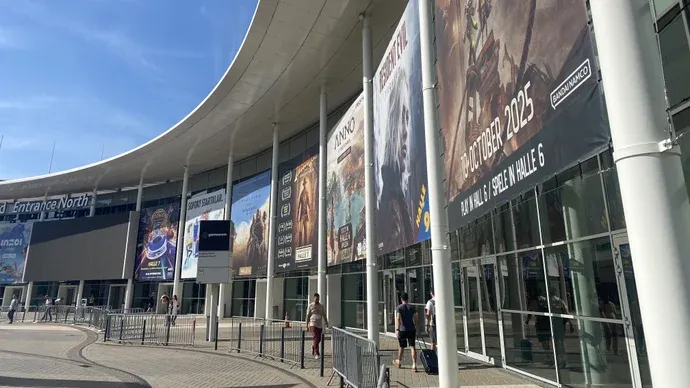
Gamescom 2026's exhibition area has hit a milestone: for the first time, it is completely booked up. For decision-makers across games, that means stronger competition for booth real estate and more pressure to lock commitments early.
Gamescom 2026 just hit a milestone that will sound boring to outsiders but matters a lot to anyone buying visibility: the event’s exhibition area is fully booked for the first time.
GamesIndustry.biz reports that Gamescom 2026 has, for the first time, completely booked exhibition space this year. In practical terms, that is a demand signal with teeth. Event organizers are not only filling capacity, they are clearing the “can we sell this?” hurdle that has haunted live-industry planning for years. If you are a publisher, platform holder, hardware brand, or service provider, your first question shifts from “Will there be an audience?” to “Can I get a place on the floor, and at what pace, before the best options disappear?”
To understand why this lands like a small earthquake, remember how show floors work in the games industry. The exhibition area is not just a backdrop for announcements. It is where deals get socialized, where partnership conversations start before the press cycle catches up, and where marketing teams fight for physical mindshare. Booths are expensive. Staffing is expensive. Travel is expensive. When space fills quickly, it effectively raises the “cost of being late” for companies that still want to take part but have not locked budgets and internal approvals.
This is also why a “fully booked for the first time” status can ripple through boardrooms. Even though the news is about capacity, the underlying issue is planning reliability. Live events are a mix of demand forecasting and operational scheduling. When the exhibition area sells out, it signals that exhibitors believe in attendance and in the value of in-person contact. That belief, once validated, changes behavior. You get earlier contracting. You get firmer sponsorship allocation timelines. You get less flexibility for last-minute reallocation.
For CFOs and finance committees, there is a second-order effect: selling out can tighten negotiating leverage. Companies that usually wait to see how the market shakes out may find themselves paying higher effective prices, accepting less favorable booth locations, or having to trade down what they wanted because the premium inventory is gone. None of this is spelled out in the single sentence GamesIndustry.biz provided, but it is the standard market reaction when supply meets demand at full capacity.
It also matters for the marketing operators who run launch calendars. Gamescom sits in a highly competitive part of the year, and exhibitors use it as a high-visibility platform to line up announcements, demos, and partnership headlines. If the exhibition area is already fully booked this year for Gamescom 2026, it hints that teams want to secure their long-lead deliverables now. That can affect everything from build schedules for playable demos to staffing plans for customer engagement, support, and content capture.
Now layer in the broader regulatory and compliance backdrop that has made event logistics more complex. While this specific report does not mention regulations, larger in-person industry events operate under constant pressure to handle safety planning, accessibility requirements, and documentation expectations that vary by location and time. The more an event becomes reliably full, the more it can justify structured vendor workflows and stricter operational planning. Exhibitors then need to align earlier with the show’s rules for construction timelines, vendor access, and on-site operations. “Fully booked” is never only about marketing. It is also about logistics discipline.
Peers across the sector will take note because this is not just about one show. Gamescom is a bellwether for how the industry values in-person contact at scale. If Gamescom 2026’s exhibition area is fully booked for the first time, other major events will face sharper questions from their own exhibitors: are they equally certain of demand, and will they also reach full capacity quickly? For decision-makers at similar events, that can be an invitation to accelerate growth plans or a warning that planning cycles must start earlier to avoid losing the right partners to the next big opportunity.
The headline fact is simple. The implication is not: in a market where attention is constantly auctioned, the physical spaces that concentrate that attention are tightening. Gamescom 2026 is the clearest sign yet that the industry is willing to bet on in-person value, and it is willing to act early to secure it.
This story's Key Insights and Take-aways are locked.
Create a free account to unlock Executive Actions for one credit.
Register to UnlockAlways free for Executives Club members. Join the Club
More in Entertainment

12TB Steam 'teraleak' goes beyond Valve: GTA 3, Mafia 2 prototypes exposed
A 12-terabyte dump of Steam data reveals prototypes and builds of third-party classics like GTA 3 and Mafia 2, plus unreleased Valve content, rewriting game history.

LinkedIn's romance problem: 1 in 4 workers say dating on it is fair game
A new survey shows a quarter of U.S. employees treat the professional network as fair game for romance, even as LinkedIn bans it and removes hundreds of thousands of offending posts.

Enhypen's first No. 1 album breaks K-pop's Billboard 200 streak
The K-pop group's 98,000-unit debut tops the chart while Dolly Parton's catalog reentry shows how death reshapes streaming.