

Garmin launches Cirqa screen-free band with up to 10-day battery and no subscription fees
A $199.99 wearable bets on less distraction and fewer recurring costs, challenging subscription fitness models.
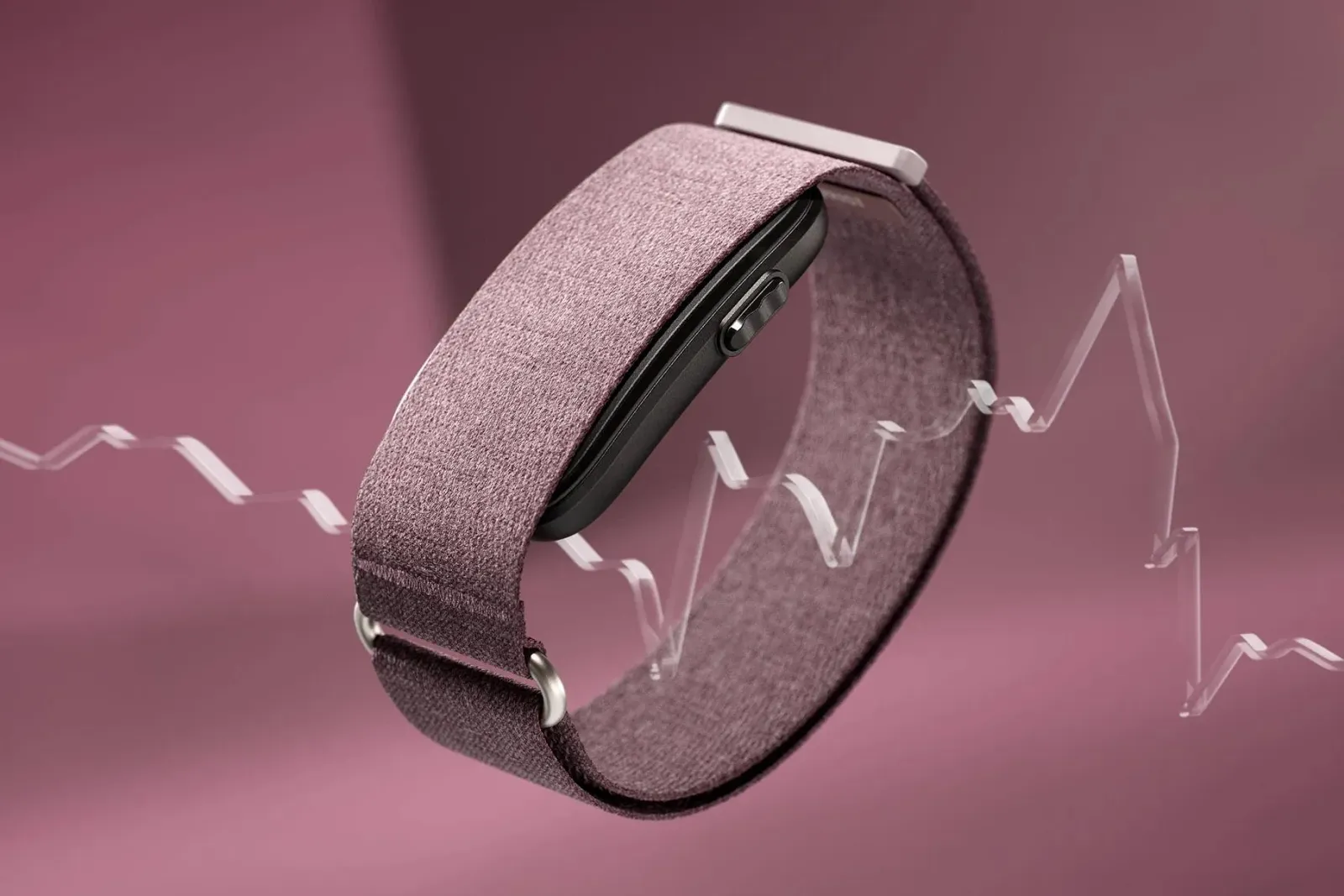
Garmin announced the Cirqa, a smart band built to track advanced fitness and wellness features without a screen. The no-subscription approach and up to 10 days between charges change how decision-makers should evaluate wearable pricing power.
Garmin just dropped a screen-free fitness band called the Cirqa, and the move lands on a surprisingly controversial axis for wearables: recurring fees. The band is designed to monitor advanced fitness and wellness features without a screen, explicitly aiming to eliminate distractions and push battery life to up to 10 days between charges. Garmin also says it does not require subscription fees, which is a direct shot at the business model that has become increasingly common in “premium” fitness ecosystems.
If you are tracking the sector, the pricing and the promise matter. The Garmin Cirqa is available now through Garmin’s online store for $199.99. It uses a mix of sensors, including heart rate, blood oxygen, skin temperature, and motion sensors, to monitor health and activities around the clock, but it does so with no subscription fees attached. For executives trying to benchmark demand and retention in wearables, that combination is the headline: high sensor coverage plus a premium price point, without the recurring metered toll.
This is also happening in the same crowded shelf space as products that openly sell subscription value. The source calls out similar competing products including the Whoop 5.0 and Google’s recently announced Fitbit Air. Those comparisons are important because wearables have split into two competing value propositions. One path is “device plus cloud insights,” where the subscription is the engine that pays for ongoing analytics, feature rollouts, and customer support. The other path is “sensor plus software on the app,” where the device itself carries the burden and the app stays free or at least does not force ongoing payment.
Garmin has not historically been a brand that relies solely on subscriptions to win. Its strength has typically come from hardware reliability and fitness-first credibility, and the Cirqa looks like it is trying to translate that into the next generation of consumer behavior: less scrolling, more sensing. A screen-free design is not just a design decision. It is a product bet that distractions are the enemy of compliance. In practice, that can reduce cognitive load and simplify the day-to-day experience. It can also cut down on battery drain, helping Garmin’s “up to 10 days between charges” claim feel plausible rather than aspirational.
The sensor lineup also signals what Garmin is prioritizing. Heart rate monitoring is table stakes across the category, but adding blood oxygen and skin temperature moves the product closer to richer wellness monitoring. Motion sensors round out the tracking so the band can interpret activity patterns over time. The Cirqa is positioned as monitoring around the clock, not just during workouts. That matters because “always-on” tracking is where consumers start noticing trends and where retention can either grow or die, depending on how useful the data is in the app.
And the no-subscription angle is not a small detail in 2026 wearables. Consumers have gotten used to the idea that premium insights cost extra. When a company chooses not to charge, it can be interpreted in two ways: either the company is confident the product experience stands on its own, or it is willing to trade recurring revenue for a cleaner buyer journey. Either way, decision-makers should pay attention because pricing structure drives partnerships, channel strategy, and forecasting. A subscription-heavy competitor has to defend churn. A no-subscription product has to defend engagement.
Regulation is not front and center in the source, but it is the quiet reality underneath wellness wearables. Blood oxygen, wellness interpretation, and “advanced features” sit in a world where claims need careful framing, and where market trust is earned through consistency. A screen-free band that tracks multiple physiological signals also increases the importance of how data is presented in companion software. Executives should think of this as less about the band hardware and more about the system: sensing, inference, user understanding, and compliance with how health data claims are communicated.
So what does this mean for everyone else watching the sector? Garmin is introducing the Cirqa now, and it is doing it with a clean structure: $199.99 upfront, up to 10 days between charges, and no subscription fees. That directly challenges the subscription logic that products like Whoop 5.0 and Google’s recently announced Fitbit Air represent. If Garmin’s approach resonates, it could pressure competitors to justify why their recurring costs are worth it, and it could pull consumer expectations toward “pay once, wear always” even for advanced wellness categories.
This story's Key Insights and Take-aways are locked.
Create a free account to unlock Executive Actions for one credit.
Register to UnlockAlways free for Executives Club members. Join the Club
More in Technology

Google quietly links your phone number to every Android account on your SIM
Adding a SIM now ties your phone number to all Google accounts - and future accounts inherit it. Here's the security and privacy stakes.

Hijacker AI 'Skynet mode' runs 100,000 attack steps against exposed models
Symantec caught a criminal AI agent that borrows other models, steals data, and mines crypto; the only relief is no confirmed victims yet.

Nvidia's AI-financier shift faces its first big test as neoclouds stumble
A rout in neocloud stocks is forcing investors to weigh Nvidia's hidden exposure as both supplier and lender to the AI buildout.