

Gazundering: buyers cut offers by £15,000 the day before exchange, BBC reports
The UK property tactic is rising, and the fix starts with your contract, timing, and fallback options.

BBC News Business describes gazundering, where property buyers reduce offers late in the process, including cases where buyers dropped offers by £15,000 the day before exchange. For decision-makers, the consequence is tighter risk management around deadlines, leverage, and settlement planning.
A property buyer dropping their offer by £15,000 the day before exchange is not just awkward. It is the kind of late-stage pressure move that can stall deals, reshape negotiations at the worst possible moment, and leave sellers feeling like they are negotiating with the clock running out. According to BBC News Business, this tactic is being discussed as a small but growing problem in the property market, and the article frames it as something people can actively protect themselves against.
So what is the actual mechanism? Gazundering is essentially an offer cut timed to the end of the process, when the seller has already invested time, paperwork, and confidence in moving forward. The headline example matters because “the day before exchange” is the point where many parties are emotionally and operationally all-in. Sellers can have onward purchases, removals scheduled, mortgages and bridging decisions lined up, and buyers themselves may have made arrangements that depend on completion happening on schedule. The gazunder move takes advantage of that dependency. If the buyer can credibly threaten to walk away or reduce the price at that late stage, the seller’s choices narrow fast.
Why is this showing up as a “small but growing problem”? Property transactions have long involved information asymmetry, where the buyer learns more as the process goes along. Survey results, legal checks, and evolving views on value all can surface late. In normal negotiation, those developments get handled earlier. Gazundering changes the timing. It also changes the power dynamic: instead of the seller pricing based on a stable offer, the seller ends up reacting to the buyer’s late revision, and the revision arrives after the seller has already made irreversible commitments.
There is also a process reality behind the tactic. The UK system uses stages like offer, contract, and exchange. Exchange is a key milestone because it is where parties move from “negotiating” into “contractually locked in,” depending on the exact structure of the deal. That means the time between contract and exchange can feel like a narrow bridge where risk is concentrated. If a buyer waits until the seller has crossed most of that bridge, the seller can be pressured into accepting a lower number to avoid a breakdown. Even if the seller could in theory refuse, refusal has costs: re-advertising, renegotiating with a new buyer, and restarting the clock. In fast-moving or constrained markets, those costs can be especially sharp.
BBC’s framing is useful because it implies there is a practical counter-play. Protecting yourself is not about preventing bad behavior with optimism. It is about structuring your path so that late-stage pressure cannot easily rewrite your deal economics. That typically starts with discipline around timelines and documentation. If you are the seller, the goal is to reduce your exposure to late uncertainty. If you are the buyer, the goal is to avoid actions that can trigger breakdown risk and long-tail disputes, which are rarely worth the short-term “win.” Either way, a deal that is vulnerable to a last-minute price change is a deal with weak guardrails.
For executives and board-level decision-makers, the interesting part is how this maps to risk management thinking. Gazundering is a market micro-behavior, but it follows familiar incentives. Parties who control timing can extract concessions. When counterparties are operationally dependent, leverage increases. In property, that dependency can come from onward chains and planned move dates. In other deals, it can come from procurement deadlines, integration schedules, regulatory waiting periods, or capital deployment timing. The second-order lesson is that “valuation” is often less about spreadsheets and more about what the parties need to accomplish before a critical date.
The strategic stakes are simple: repeated gazundering can raise friction and reduce trust in transactions, which can slow turnover and increase transaction costs. Sellers respond by being harder to move off their price, buyers respond by being more selective earlier, and both sides spend more energy on contingencies rather than agreement. That is exactly the kind of cycle that turns a market from “efficient” to “grindy.” BBC describes gazundering as small but growing, and if it continues, the operational impact will land where it always lands: on people trying to close, fund, and schedule the next step. For anyone who has to manage counterparties, deadlines, and leverage, the headline example of a £15,000 cut the day before exchange is a reminder that timing is power, and you can either design around it or get designed against it.
This story's Key Insights and Take-aways are locked.
Create a free account to unlock Executive Actions for one credit.
Register to UnlockAlways free for Executives Club members. Join the Club
More in Business

Uber buys Delivery Hero for nearly $15B, vaulting to top food delivery outside China
The deal doubles Uber's dual-services footprint and pushes a ride-and-eats bundling play into 50 more markets.

Epic and Google drop settlement bid, forcing rival Android app stores by July 22
Google told the court it is ready to carry third-party app stores starting Wednesday, July 22.
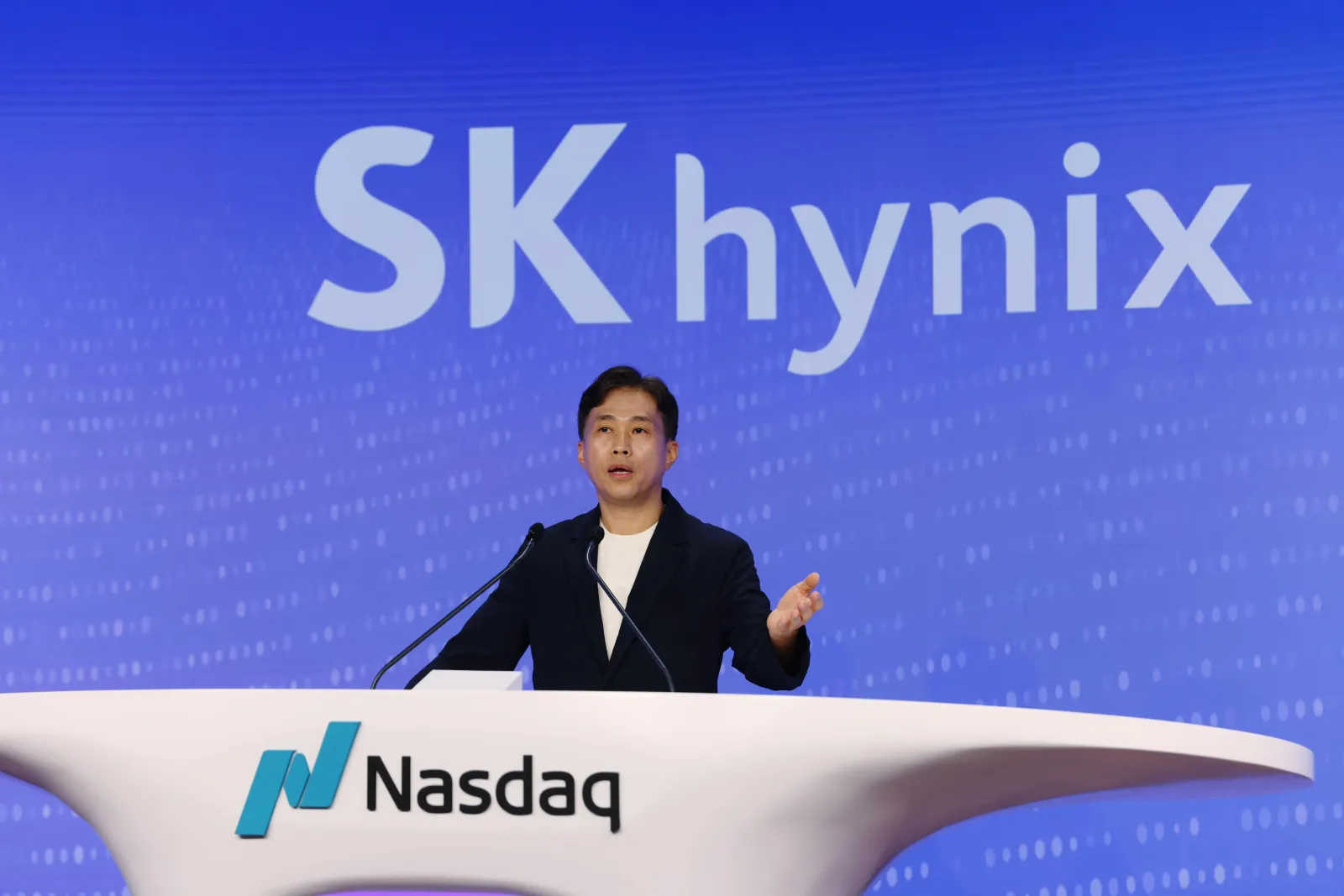
SK Hynix opens at $170, raises $26.5B, and tops foreign IPO records
In Friday's Wall Street debut, SK Hynix turns AI RAM demand into a $26.5B fundraising moment that rewrites comps.