

Geely pushes Zeekr abroad, targeting a Malaysia factory to double overseas sales
The automaker is aiming to scale Zeekr outside China, using Malaysia production as the engine.
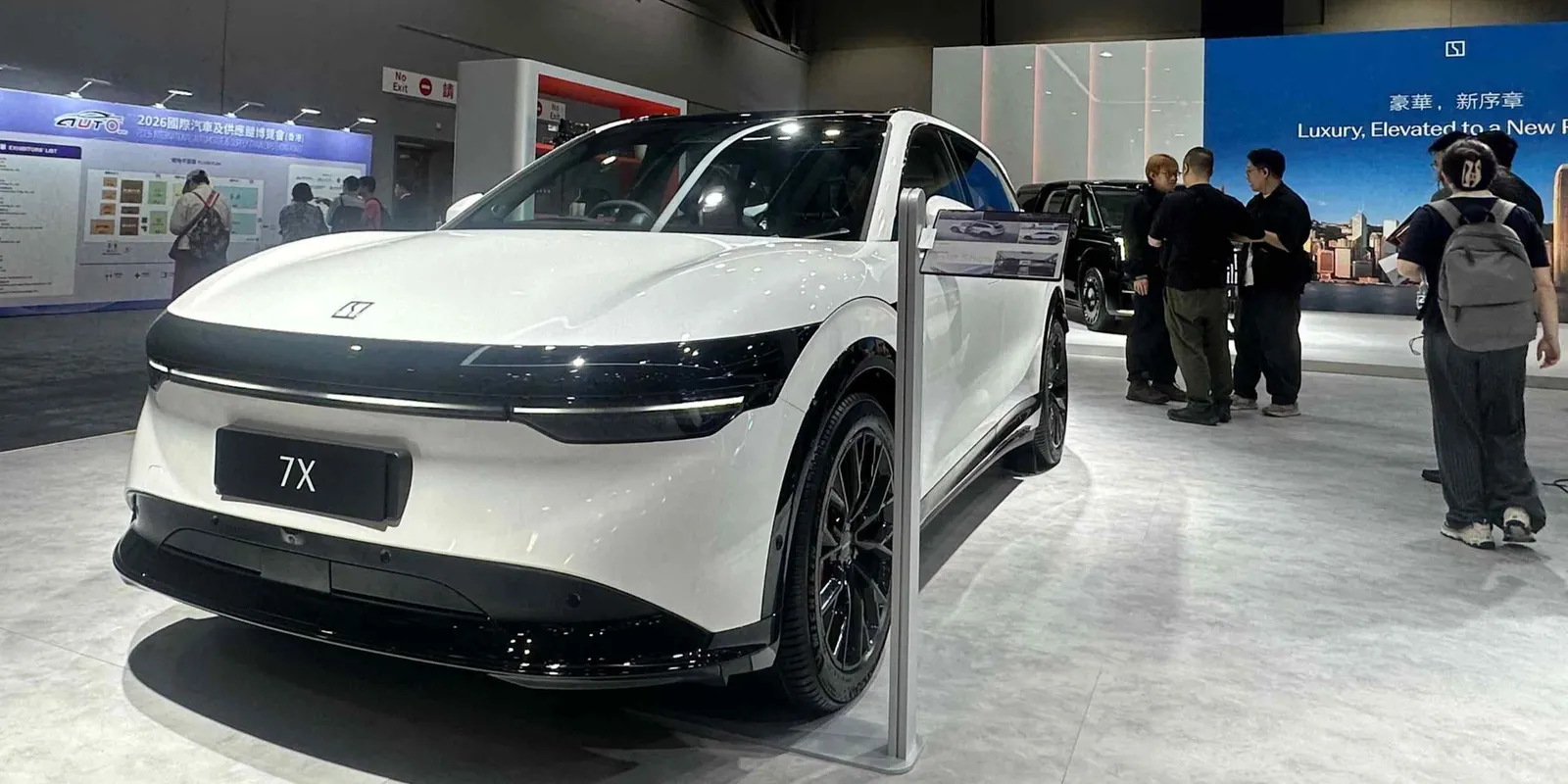
Geely is seeking to double Zeekr sales abroad and is eyeing Malaysia output to do it. For executives, the move signals how fast Chinese EV brands are building multi-country supply chains to chase growth and sidestep trade friction.
Geely wants to double Zeekr sales abroad, and its strategy is as specific as it is ambitious: use Malaysia as part of the production plan. That matters because “going abroad” is no longer just a marketing campaign. It is increasingly a manufacturing and logistics play, where local assembly can change the economics of pricing, delivery timelines, and how easily a brand can adapt to country-level rules.
This push comes with a clear operational implication. If Zeekr is expected to grow outside China at a faster pace, Geely cannot rely only on exporting finished vehicles. Export-led growth tends to hit friction points like shipping costs, import duties, and the slower, messier process of meeting local requirements for vehicle variants. Building or scaling output in Malaysia, even as an “eyeing” move rather than a finalized commitment, is a way to keep the ramp under control while making overseas demand easier to serve.
To understand why this is a big deal, zoom out one step. The global EV market is getting crowded, and growth is moving from early adopters to mainstream buyers. In that phase, companies need two things at once: competitive pricing and reliable supply. Exporting vehicles can work for limited volumes, but doubling sales abroad typically forces a shift toward local or regional manufacturing, so that scaling does not turn into a shipment-by-shipment spreadsheet nightmare.
Malaysia, in particular, sits at a useful intersection for an expanding EV brand. For many automakers and electronics supply chains, Malaysia has long been a regional manufacturing hub. The country is also large enough to matter commercially for a growing brand, but not so large that it automatically overwhelms execution with bureaucracy at every step. When a company like Geely talks about output there, it is effectively saying, “We want a base that helps us grow without reinventing distribution from scratch in every market we target.”
This also looks like the type of decision that boardrooms underwrite with a “we need the option value” mindset. In a world where competitors can pivot quickly, the first mover advantage is not always the factory itself. Sometimes it is the ability to negotiate supply chain contracts, secure component access, and lock in production capacity before demand surprises everyone. If Geely believes Zeekr can scale faster abroad, it will want to build the infrastructure that prevents growth from being capped by production bottlenecks.
There is another layer here: regulatory framing. Car markets are shaped by local rules, including vehicle certification, safety requirements, and sometimes incentives tied to local manufacturing or value-add. Even when incentives are not the whole story, local production can reduce uncertainty. Companies that export are more exposed to changes in duties or regulations across each destination market. Companies that produce locally can adjust more nimbly across trims and configurations, because they are closer to the compliance process and can iterate without waiting for long production cycles.
If Geely’s plan is to double Zeekr sales abroad, then “abroad” is not a single country. It is a portfolio of markets, each with its own demand curve and policy landscape. A Malaysia production base can function as a regional staging point, helping streamline distribution and potentially making it easier to rebalance supply if one destination slows while another accelerates. Executives in other automakers will read this as a reminder that distribution strategy and production strategy are no longer separable.
For investors and operators watching Chinese EV brands, this is part of a broader pattern: scaling abroad means building multinational capabilities, not just importing cars. For the peers around the table, the strategic stakes are simple. If you want growth beyond home markets, you either build the production footprint or you accept that margins and service levels may get squeezed by distance, costs, and policy friction. Geely’s Zeekr push, tied to Malaysia output, is one of the clearest signals yet that the next phase of EV competition will be fought on supply chains as much as on vehicles.
This story's Key Insights and Take-aways are locked.
Create a free account to unlock Executive Actions for one credit.
Register to UnlockAlways free for Executives Club members. Join the Club
More in Business

A flaw in PHP just forced governments to pull their own sites offline
European agencies from Belgium to Germany took websites dark to patch a critical weakness in the language behind almost 70% of the web, and the blast radius extends far beyond government portals.

BioWare shuts down, Mass Effect 5 dead after $55B EA buyout
The legendary RPG studio's closure lands months after a $55 billion investment group buyout of EA, raising tough questions for gaming's biggest acquirers.
Musk weighs Tesla-SpaceX mega-merger as boards form review panels
Special committees at both companies will examine a tie-up that could fuse electric vehicles and space launch, forcing a fresh look at governance and valuation.