
George Lucas lends his voice to “Minions & Monsters,” opening July 1
The Illumination founder says he met Lucas because the director loves “Despicable Me,” and the sequel goes wide next month.
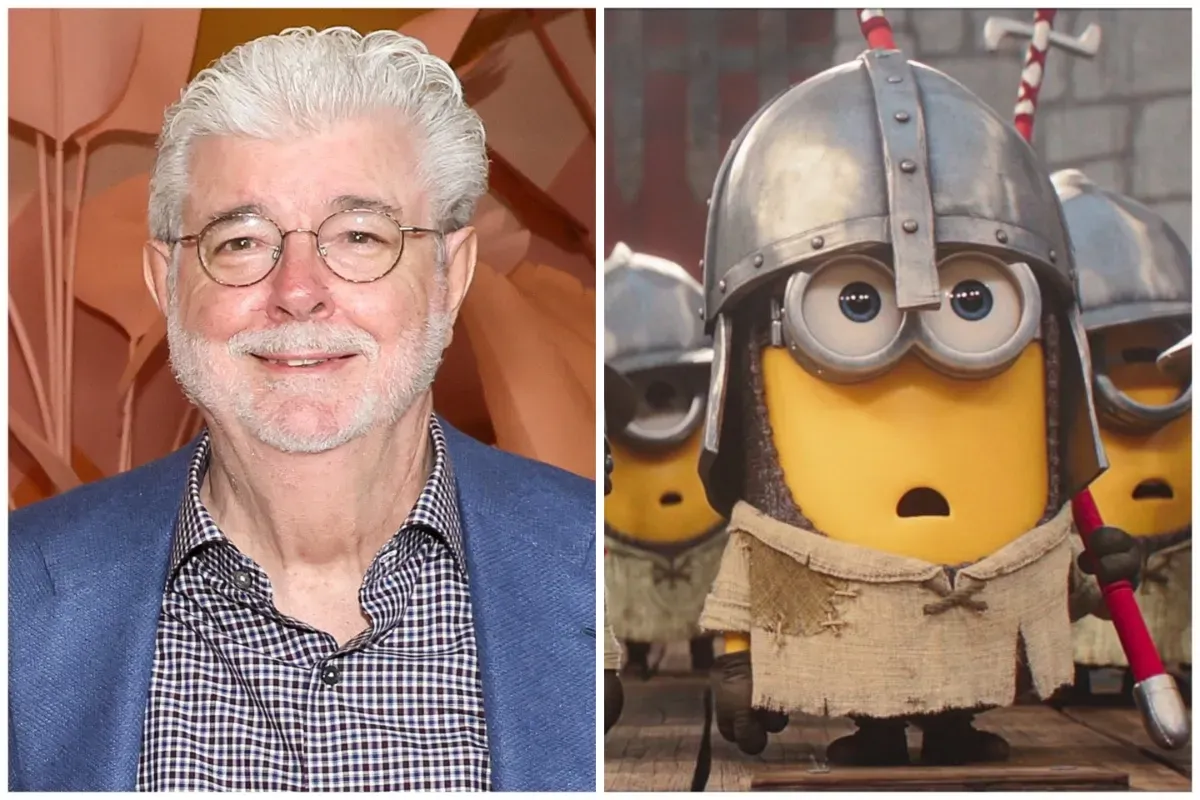
Illumination founder Chris Meledandri told Collider that George Lucas voices a character in “Minions & Monsters,” which hits theaters on July 1. For decision-makers, the casting move signals how major creator brands and legacy studios are still shaping mainstream animation.
George Lucas is stepping into animation, at least vocally. Illumination founder Chris Meledandri told Collider that Lucas voices a character in “Minions & Monsters,” and the film hits theaters on July 1.
The surprising part is how the collaboration reportedly started. Meledandri said he had the privilege of meeting George about two years ago, and that the reason for the meeting was how much Lucas loves Illumination movies, “and specifically ‘Despicable Me,’” according to Meledandri’s remarks to Collider. In other words, this is not a random celebrity cameo. It is a creator with deep cinema lineage tapping into a franchise he already values.
Why should execs care? Because voice casting is rarely just about star power anymore. In modern animation and franchise entertainment, the “who” behind a production is a signal to multiple stakeholders at once: audiences who scan credits, media outlets that cover casting announcements, licensors and partners who want brand alignment, and internal teams who need to justify marketing spend and distribution commitments. Lucas is a headline name with a track record that spans eras of filmmaking, so his involvement can change how “Minions & Monsters” is framed by reviewers and culture coverage, not just how it sounds.
It also lands at a moment when mainstream studios are fighting for attention in a crowded calendar. “Minions & Monsters” is scheduled to hit theaters on July 1, which matters because summer releases operate like high-speed capital markets: you are not only selling tickets, you are winning mindshare early enough that your marketing, premieres, and word-of-mouth loop stay in sync. A casting confirmation with Lucas gives marketing and press teams a clean hook they can lean on without overreaching. It is easier to translate that kind of news into trailers, social copy, and interviews than it is to explain abstract production metrics.
There is also a subtle incentive alignment story here. Meledandri’s framing, as described by Collider, is relationship-driven: he met Lucas because Lucas already loves the Illumination universe, especially “Despicable Me.” That implies the project did not have to convince Lucas to take an interest. Instead, it is about turning existing enthusiasm into a creative contribution. When you can start with genuine affinity from a high-status creator, it can reduce friction in negotiations, accelerate approvals, and create a more authentic tone for how the collaboration is communicated.
Zoom out to how executive teams think about franchise ecosystems. “Despicable Me” is not just a successful film series. It is the gravitational center of Illumination’s audience base. If Lucas is explicitly linked to that specific property in Meledandri’s explanation, the message is that the next chapter in the ecosystem is being treated as an extension worth attaching to a major cultural figure. For boards and senior leadership, that matters because franchise durability is a core underwriting assumption. The more the industry sees credible cultural gravity around a property, the easier it is to defend budgets and distribution strategies.
And for peers in adjacent roles, the second-order implication is branding discipline. Executives often wrestle with celebrity casting choices that feel opportunistic. This one, at least in Meledandri’s account, is anchored in prior fandom. That is a different kind of risk management. When the narrative around the casting is consistent with real appreciation of the IP, the move is less likely to be dismissed as hollow star packaging. It is also more likely to resonate with audiences who care about details, not just volume.
Finally, the strategic stake is simple: July 1 is close enough that momentum will matter. A voice role by George Lucas, introduced through Meledandri’s two-years-ago meeting story, can give “Minions & Monsters” an extra layer of mainstream credibility. That can help the film stand out in a season where attention is the scarce resource, and it can help executives justify the marketing push needed to convert curiosity into tickets. In a business built on timing, the right surprise, delivered early, can do more than entertain. It can shift the conversation, and for theatrical releases, conversation is currency.
This story's Key Insights and Take-aways are locked.
Create a free account to unlock Executive Actions for one credit.
Register to UnlockAlways free for Executives Club members. Join the Club
More in Entertainment
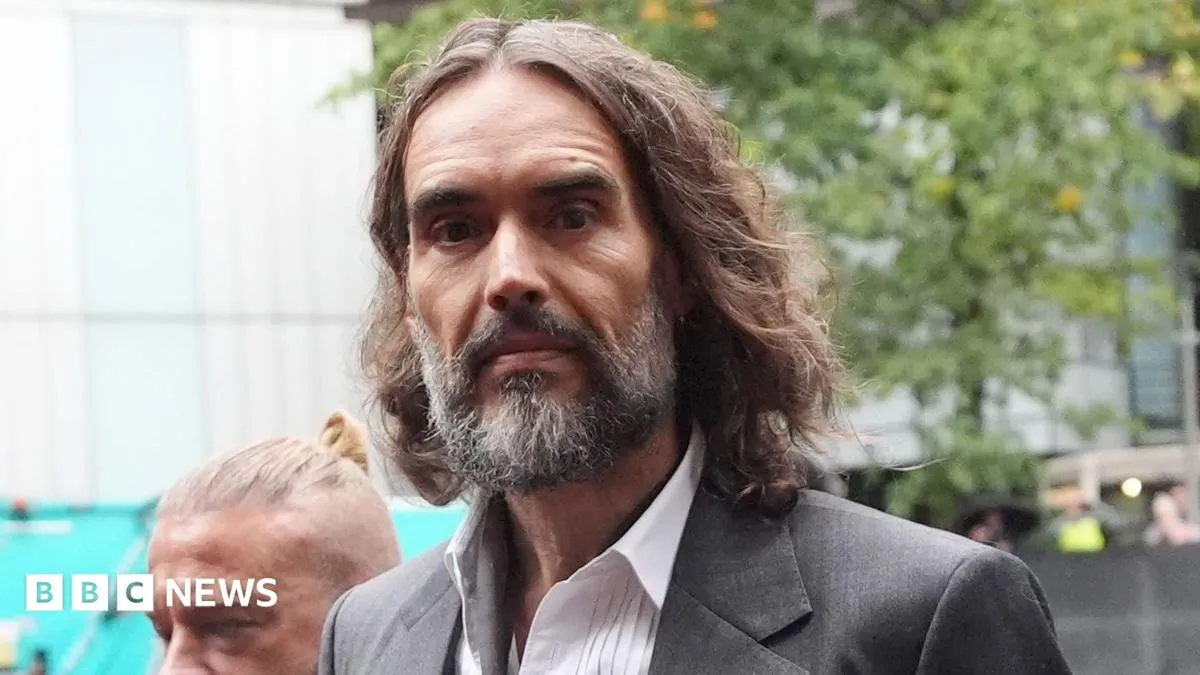
Russell Brand's accuser 'bewildered and confused' as he denies 7 sex charges
The criminal case against the comedian is a live test of how media companies manage talent risk when serious allegations go public.
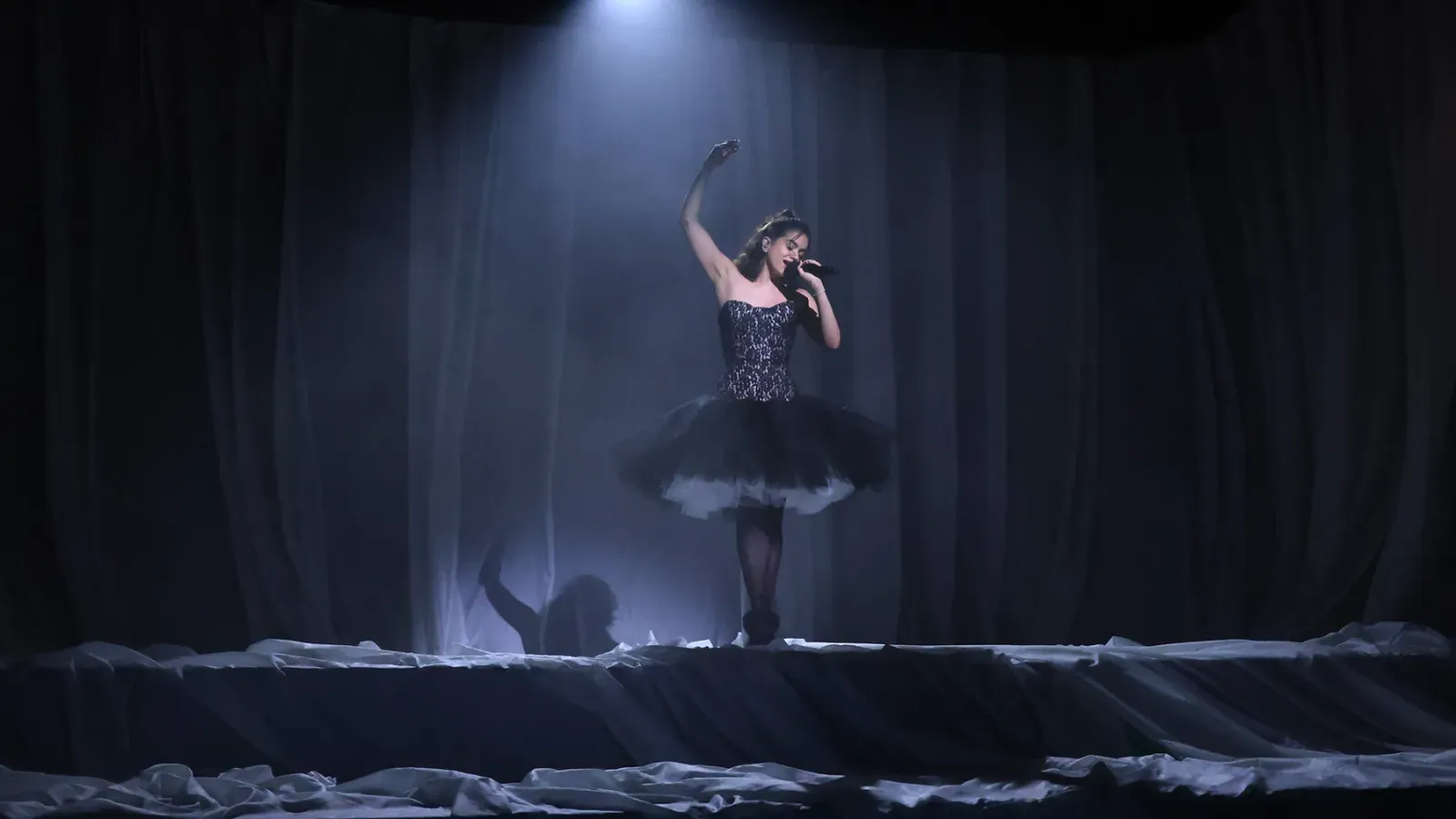
'It's a Magic Trick': Ballet Experts Say Rosalía's SNL Pose Is Impossible
Three ballet experts tell Rolling Stone Rosalía's gravity-defying SNL stillness shouldn't be possible - and why the debate is now part of the show.
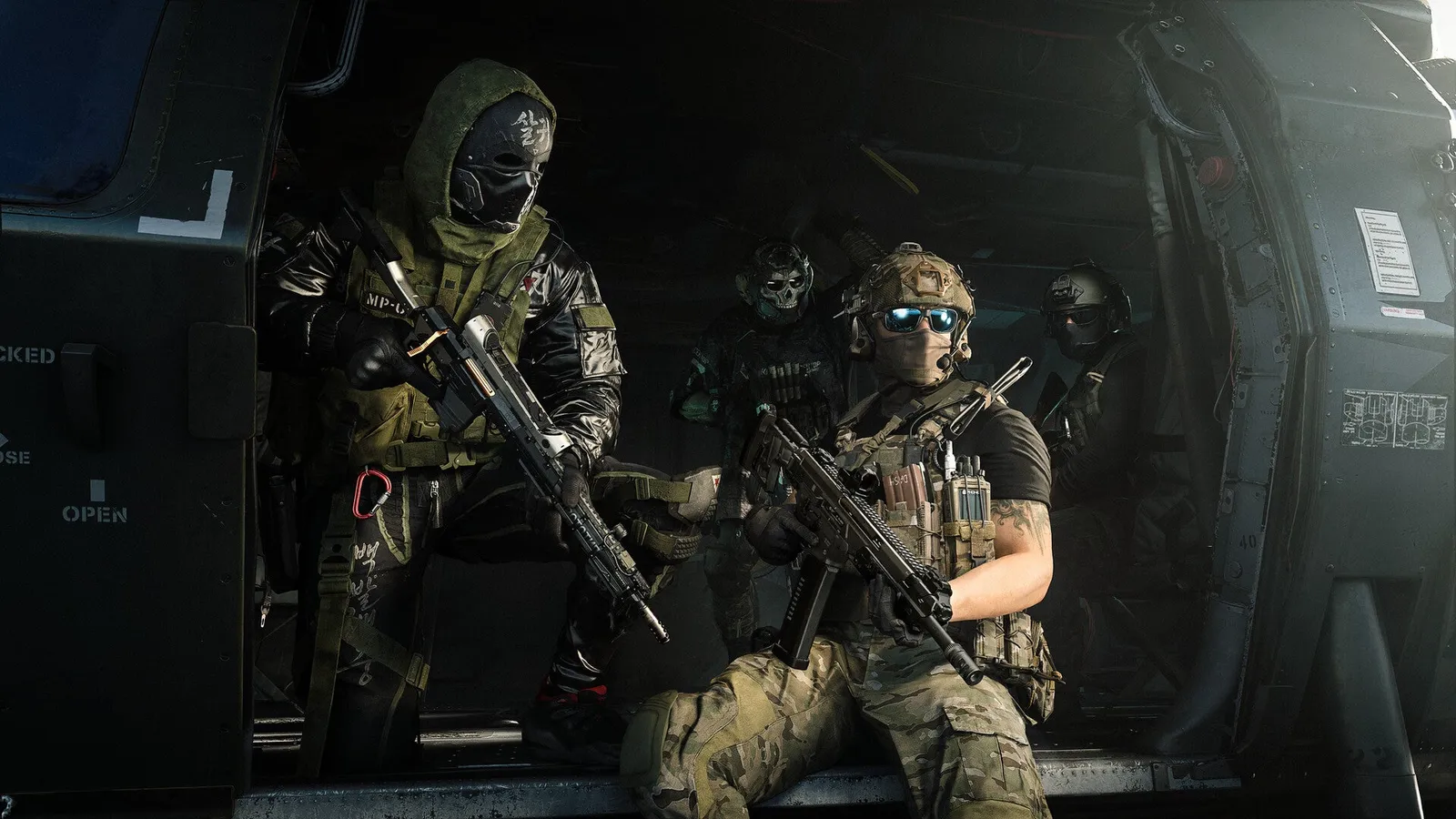
Activision CMO: GTA 6 Will Boost Call of Duty, Not Bury It
Activision's top marketer says Rockstar's blockbuster will drive players back to consoles and into Modern Warfare 4, even as the company admits its recent strategy failed.