

George Santos pays $35,000 to settle CFTC case over Kalshi State of the Union bets
The regulator calls out prediction-market wagers. The settlement shows how even “small” bets can trigger scrutiny.

Former Rep. George Santos (R-N.Y.) agreed to pay $35,000 to the Commodity Futures Trading Commission (CFTC) to settle allegations tied to wagers he placed on Kalshi during the State of the Union earlier this year. For decision-makers, the case is a reminder that prediction markets and political events sit in a regulatory gray zone that regulators are willing to test.
Former Rep. George Santos (R-N.Y.) agreed to pay $35,000 to the Commodity Futures Trading Commission (CFTC) to settle the agency’s action over wagers he placed on Kalshi tied to the State of the Union earlier this year, the CFTC announced Friday. The bets focused on whether Santos would attend President Trump’s address in February. In other words: the settlement centers on a simple, specific question, asked through a trading platform, and it still landed on the regulator’s desk.
That $35,000 figure matters because it is the visible endpoint of an enforcement process. But the substance behind it is bigger than the settlement check. Santos placed bets about a high-profile, time-bound political event, while also posting on the market activity. Even without diving into every detail, the takeaway is clear: the CFTC is treating certain kinds of political-event wagering, routed through prediction-market infrastructure like Kalshi, as something that can fall under its oversight.
To understand why this is a “regulatory lesson,” you need to know how prediction markets work at a high level. Platforms like Kalshi let users trade contracts that resolve based on real-world outcomes. That can look like entertainment or like information aggregation when you zoom out. But for regulators, the key question is whether these contracts function like futures or swaps, and whether participants are getting around rules that apply to more conventional derivatives. The CFTC’s job is not to decide whether an idea is “cool.” It is to decide whether the legal wrapper turns a prediction into something regulated like trading.
This is where the Santos details become instructive. Betting on whether someone attends a specific presidential address is a very direct link between a political happening and market resolution. Unlike a broad economic indicator contract that resolves at year-end, this was tied to a concrete date and a discrete outcome. February attendance is the kind of event that can be verified and resolved, and that clarity can make contracts attractive to traders. From a regulatory perspective, clarity can also reduce ambiguity about how and when obligations are satisfied, and it can tighten the timeline regulators can point to.
There is also a reputational and governance angle. Santos is a former member of Congress, and the settlement was public because it involved federal enforcement. That matters for executives and boards because the political-adjacent ecosystem has been getting more attention from regulators, not less. Even if an enforcement outcome is a settlement rather than a courtroom win, it still creates a paper trail that can follow individuals and, by extension, companies connected to the activity. For organizations that market, partner with, or otherwise participate in prediction markets, the second-order implication is that compliance cannot be treated as optional or “later.”
Look at it through an incentives lens. A prediction-market participant might see a wager as expressing confidence or as hedging personal beliefs about an outcome. But enforcement does not hinge only on intent. It hinges on how the activity is structured, how it is communicated, and whether it aligns with applicable rules. In Santos’s case, the CFTC announcement highlighted that he placed bets on whether he would attend President Trump’s address in February and also posted about it. That combination, in regulators’ eyes, can transform a private trade into something they believe warrants action.
For decision-makers in adjacent industries, the strategic stakes are straightforward: prediction markets are not just a niche product category; they are increasingly entangled with the same compliance expectations as other market-facing tools. Executives should assume that regulators will look for clear links between a contract, the event that resolves it, and participant behavior around that event. Boards should treat prediction-market partnerships and user activity review as a real risk category, not a marketing flourish.
And if you are an executive or founder building inside the orbit of political-event trading, this settlement is a signal worth taking seriously. The CFTC chose to announce the $35,000 settlement publicly, and it tied the case to State of the Union-related wagers placed on Kalshi earlier this year. That is the kind of headline that becomes a precedent, shaping how future cases are framed and how future operators design safeguards. In the short term, it closes Santos’s chapter. In the long term, it keeps the regulatory spotlight on how quickly a “prediction” can turn into regulated trading when politics is the underlying fuel.
This story's Key Insights and Take-aways are locked.
Create a free account to unlock Executive Actions for one credit.
Register to UnlockAlways free for Executives Club members. Join the Club
More in Politics
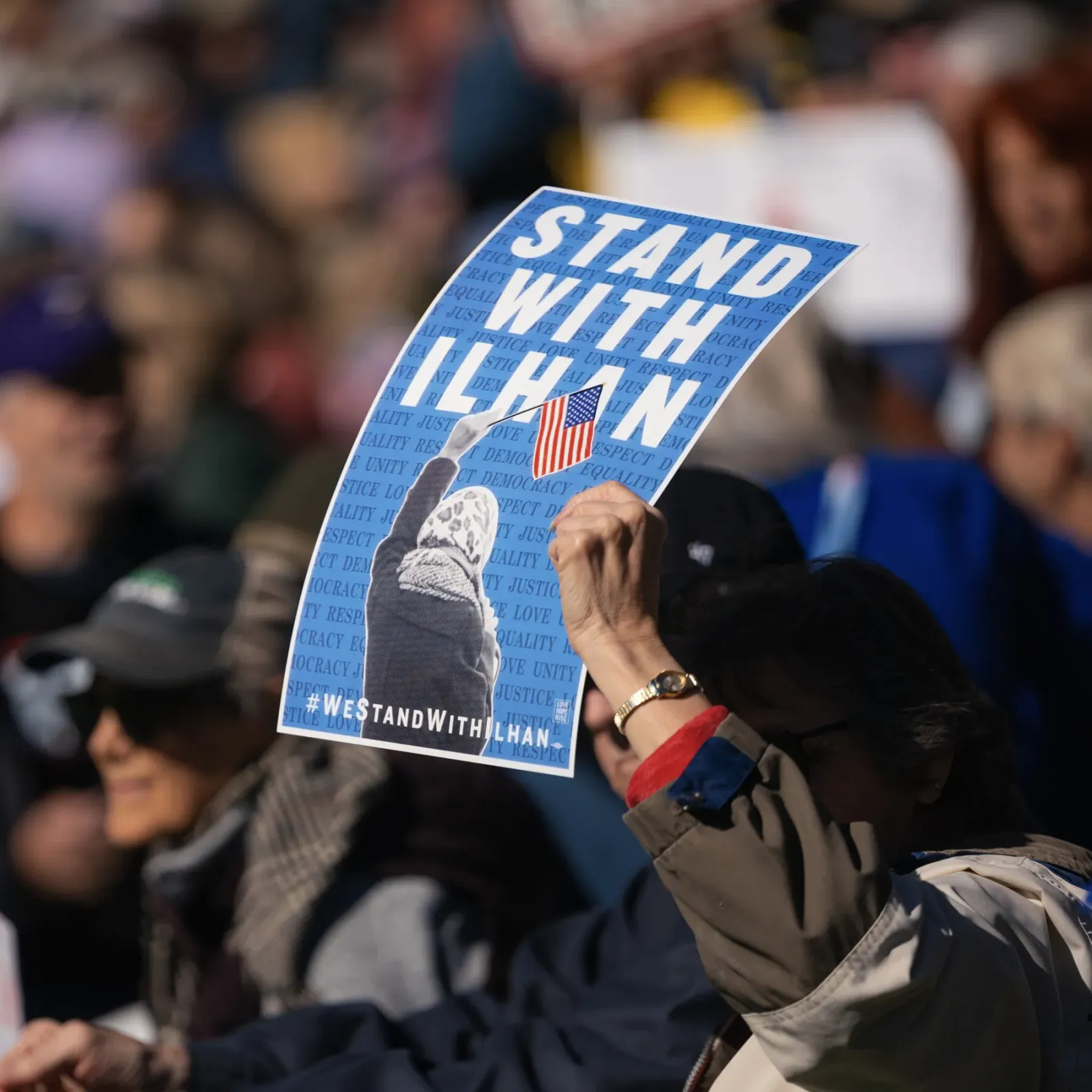
Obama Defends Ilhan Omar After Agents Search Her Home in Trump Inquiry
The former president's intervention raises the stakes in a federal probe into immigration paperwork that has put a prominent progressive lawmaker in the crosshairs.

Blair-era minister: cut welfare to fund youth job support
Alan Milburn's call for welfare cuts to fund employment support opens a Labour fight over benefits and the Neet crisis.
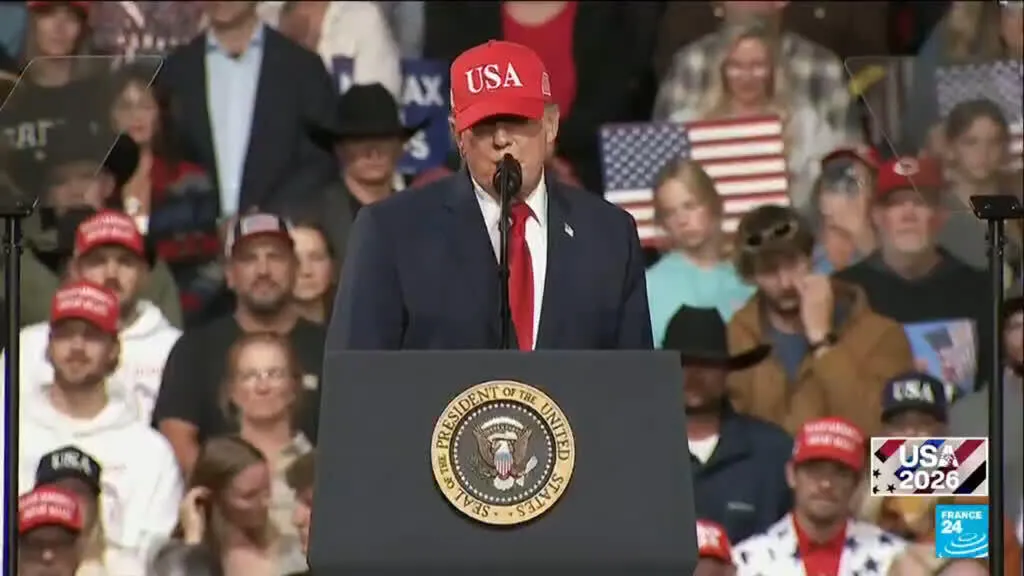
Hot September CPI: energy costs surge, voters feel the squeeze before midterms
The latest inflation print lands as Trump campaigns for GOP control of Congress, putting cost-of-living worries at the center of the midterm fight.