

Trump says Blanche caught in IRS fight, and insists Iran missed the Minnesota cyberattack
At Camp David, the president turns the spotlight on an IRS deal feud and rejects an Iran cause for the attack.
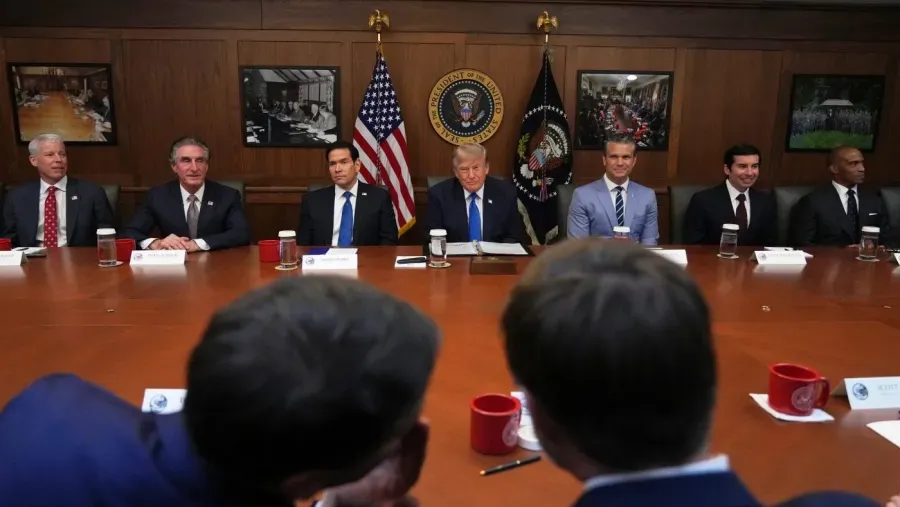
President Trump addressed reporters during the 13th Cabinet meeting of his second term at Camp David, bringing up an IRS-related fight that he says involves Blanche. He also denied that Iran caused the Minnesota cyberattack, reshaping the narrative on responsibility and next steps.
President Trump is holding the spotlight at Camp David during the 13th Cabinet meeting of his second term, and two lines of his public remarks matter far beyond the press scrum. First, he claims “Blanche” is caught in a fight tied to an IRS deal. Second, he says Iran did not cause the Minnesota cyberattack. Both statements are essentially about narrative control. But in Washington, narrative is policy, and policy is consequence.
The way Trump framed the moment signals where he wants scrutiny to land. By lashing out at the Senate, specifically Sen. John Cornyn (R-Texas), over the IRS deal fight involving Blanche, Trump is pushing a blame map that points at legislative friction rather than administrative failure. In other words, instead of treating an IRS dispute as a purely technical issue, he treated it as a political tug-of-war, with real implications for how quickly deals move and how much leverage each branch holds. The insistence that Iran is not the cause of the Minnesota cyberattack does something similar on the national security side: it tries to close off one explanatory lane immediately, forcing agencies, oversight bodies, and private-sector incident responders to consider alternate causes.
Zoom out and you get why this matters to executives and boards. When a President publicly narrows the cause of a cyber incident, it influences risk framing for every company that has to plan for “what happens next.” Even when companies are not directly affected by a particular state-level event, public attribution or rejection of attribution can affect procurement timelines, government guidance, insurance posture, and how aggressively regulators push incident reporting requirements. The underlying incident might already be under analysis, but the public story determines where attention and resources flow.
On the IRS side, the stakes are less visible to the average operator and more immediate to anyone dealing with tax, compliance, or regulated financial systems. IRS-related deals tend to live at the intersection of lawmaking and implementation: statutes, appropriations, rulemaking, and enforcement priorities. If the political system is stuck in a fight, implementation can slow down, and uncertainty can rise. That is not just bureaucratic inconvenience. For companies, uncertain enforcement direction and timing can influence compliance investments, staffing plans, and the willingness of stakeholders to commit to long-term projects.
Trump’s decision to bring the Senate into his remarks, and to name Sen. John Cornyn (R-Texas), is also a reminder of how Cabinet-level communication can become a negotiating tool. Cabinet meetings are supposed to be about coordination. But in a high-salience political environment, reporters questions turn those meetings into a platform for leverage. When the President attacks a specific senator tied to the process, it can signal to Congress that the White House is willing to publicly escalate rather than quietly manage the dispute. That, in turn, can push lawmakers into more defensive positions, potentially hardening timelines and making compromise more expensive.
The appearance of new faces at the table underscores that the administration is also calibrating its institutional machinery. Among the new faces are Jay Clayton, incoming director of national intelligence, and Keith Sonderling, secretary of Labor. Those two roles sit far from IRS policy, but they share one thing: they operate inside systems that depend heavily on interagency and legislative alignment. The director of national intelligence, especially with a fresh appointment, can affect how intelligence products are shaped and how public explanations are supported. Labor leadership can also influence how enforcement and workforce implications are handled when disputes have practical consequences.
Meanwhile, the cyber comment about Minnesota and Iran lands in a broader world where attribution is contested even when evidence exists. Publicly rejecting one cause does not magically erase technical indicators or intelligence assessments. But it does change how quickly other actors feel comfortable acting on assumptions. For executives, that can affect everything from board-level risk discussions to how aggressively you treat a threat as “state-sponsored” versus “criminal or opportunistic,” because each category can trigger different response playbooks and different levels of government engagement.
For boards and senior executives trying to stay ahead, the second-order signal here is about coordination under pressure. Trump’s remarks show a White House pushing two parallel narratives: one that frames an IRS dispute as a Senate-driven blockage involving Blanche, and another that frames a cyber incident as not caused by Iran. When leaders do that in real time, they are not only explaining events. They are steering who investigates, what gets prioritized, and what becomes the default assumption inside government and among the private sector that depends on government guidance.
In the short term, this is about who is blamed and what story becomes official. In the medium term, it can shape legislative dynamics around tax and oversight, and it can shape national security posture and incident-response expectations for organizations across industries. If you are in a role that tracks regulatory risk, government reporting obligations, or cyber preparedness, you cannot ignore the President’s framing, even if the underlying technical facts are still being assessed.
This story's Key Insights and Take-aways are locked.
Create a free account to unlock Executive Actions for one credit.
Register to UnlockAlways free for Executives Club members. Join the Club
More in Politics
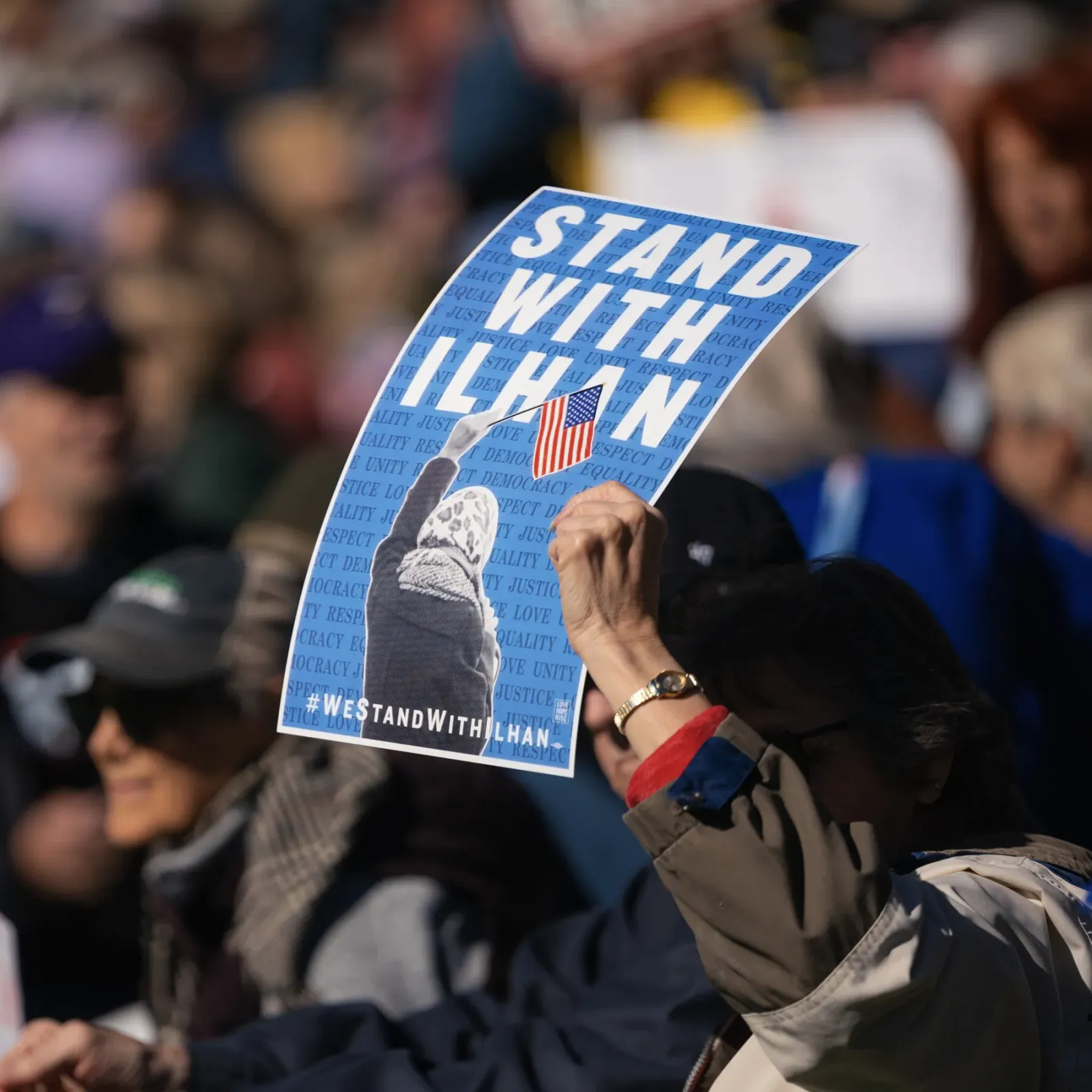
Obama Defends Ilhan Omar After Agents Search Her Home in Trump Inquiry
The former president's intervention raises the stakes in a federal probe into immigration paperwork that has put a prominent progressive lawmaker in the crosshairs.

Blair-era minister: cut welfare to fund youth job support
Alan Milburn's call for welfare cuts to fund employment support opens a Labour fight over benefits and the Neet crisis.
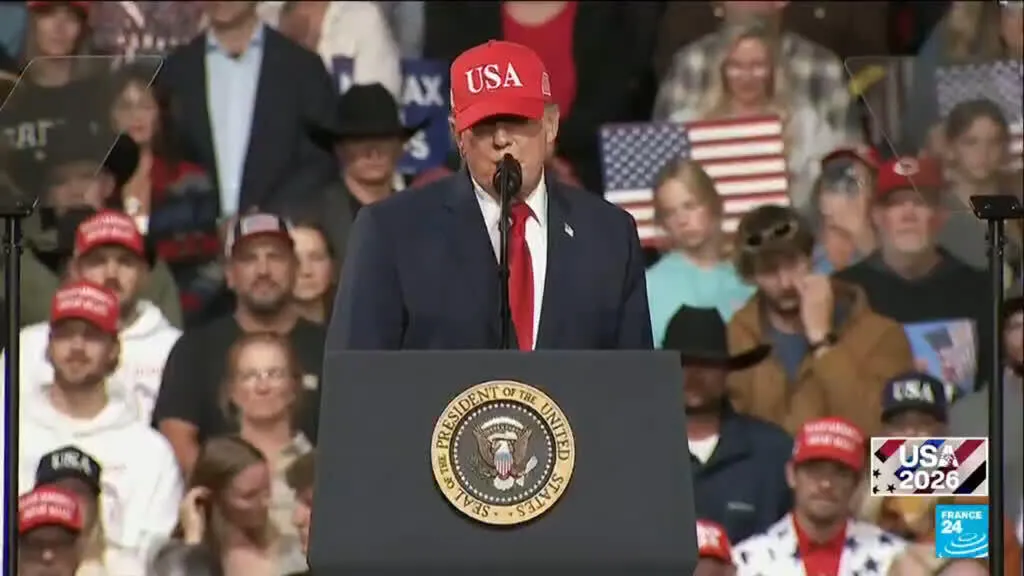
Hot September CPI: energy costs surge, voters feel the squeeze before midterms
The latest inflation print lands as Trump campaigns for GOP control of Congress, putting cost-of-living worries at the center of the midterm fight.