
Trump orders US to hit Iran “as soon as this weekend,” WSJ reports
A reported shift toward harder strikes and possible energy targets raises escalation, munitions, and war-crime risk in one move.
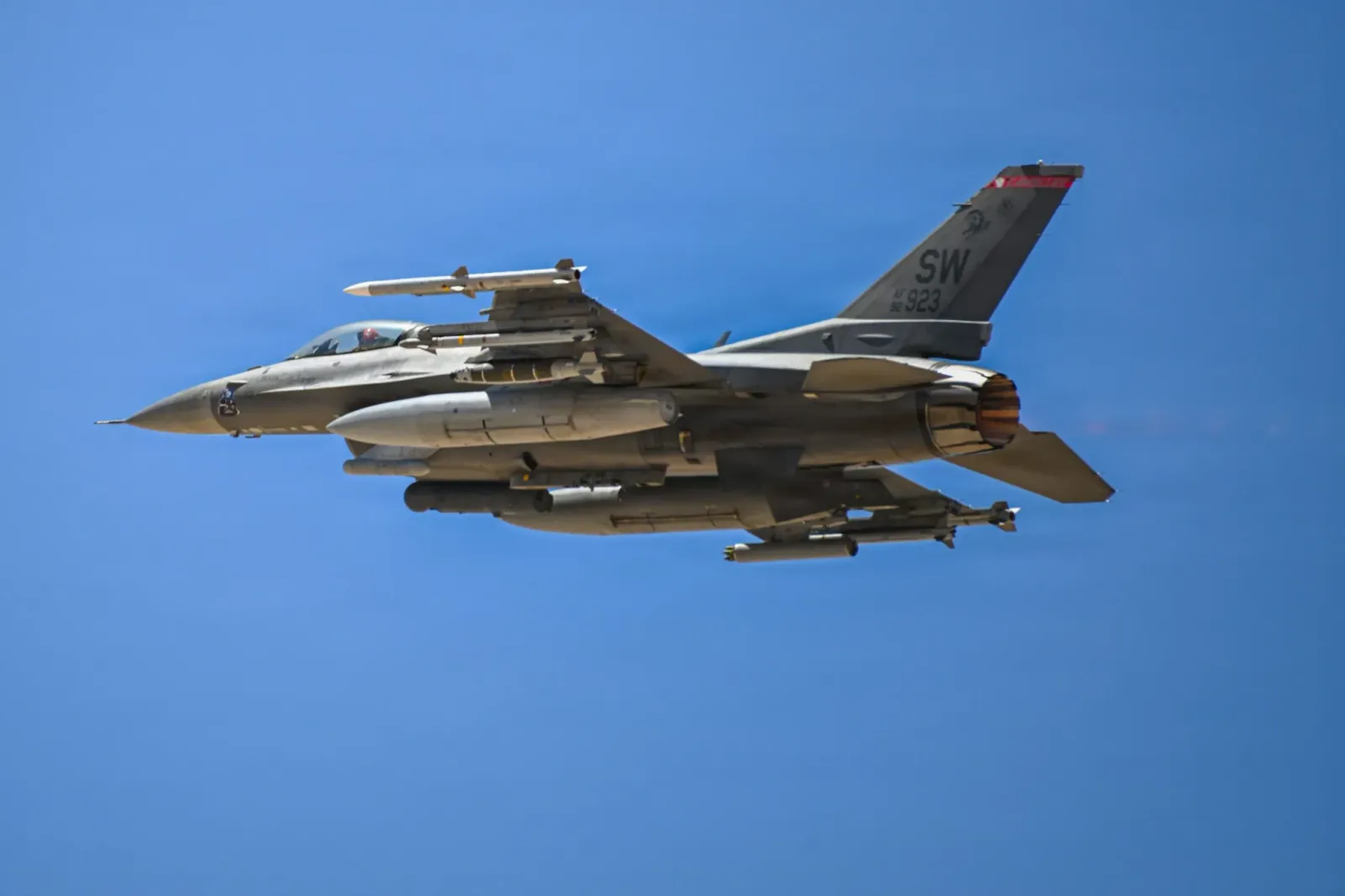
President Donald Trump has ordered the US military to carry out a new attack on Iran as soon as this weekend, The reported strategy to pressure Tehran, combined with CBS reporting on potential strikes on energy infrastructure, forces decision-makers to weigh escalation risk, market volatility, and legal exposure.
President Donald Trump has ordered the US military to carry out a new attack on Iran as soon as this weekend, The WSJ said the strikes are intended to convince Tehran to surrender. Hours earlier, Trump cast doubt on continued negotiations with Iran, repeating threats to retaliate forcibly after an attack on a US base in Jordan.
During a Cabinet meeting Friday, Trump said, “We’ll be hitting them very hard,” and added, “And at some point they’ll say we just can’t take it anymore.” That line matters because it signals not just more military action, but a deadline mentality, aimed at forcing a political outcome. The next question for leaders watching this from war rooms to board rooms is what “very hard” means in practice, especially as the war has already pulled the region and markets into a high-voltage loop.
CBS reported separately that the US is considering striking energy infrastructure, including oil refineries and power plants. If true, that would mark a major escalation in the military campaign. Energy infrastructure is the kind of target choice that can shift a conflict from “degrading military capability” to “disrupting national economic function,” which tends to make the political end harder to negotiate. It also raises legal and reputational stakes immediately, since deliberate bombing of civilian targets could be considered war crimes, according to advocacy groups.
Markets noticed the story fast. WTI rose above $86 a barrel in post-settlement trading on Friday afternoon following the CBS report. This is the second-order problem energy traders and corporate CFOs care about: even the possibility of escalation can tighten expectations, raise risk premiums, and push input costs through the economy. In the source, the broader backdrop is already punishing. The war depleted US munitions, particularly air defense interceptors crucial to stopping attacks on bases, which suggests the US is not simply choosing more force, but allocating scarce defensive capability while attempting to shape events abroad.
The conflict context makes the decision even more fraught. The war began on Feb. 28 with massive airstrikes by the US and Israel. Iran swiftly and essentially sealed off the Strait of Hormuz, a vital waterway for oil, natural gas and fertilizer shipments. While Iranian armed forces were no match for America’s military might, Tehran’s attacks on Persian Gulf neighbors with drones and missiles disrupted business and everyday life across the region. Just this week, Egypt was drawn into the fray when two ships carrying liquefied natural gas were struck by drones at the port of Damietta.
This is the part that often gets lost when people focus only on tactics: once shipping and energy chokepoints are in play, the conflict becomes a systems problem. Oil prices have shot up with each round of clashes, and Americans who were already frustrated about the cost of food, housing and other items now pay significantly more for gasoline. When domestic cost pressure climbs alongside war escalation, policy moves start to come with political timing attached, and the source explicitly ties this to election incentives. With control of Congress at stake in November’s midterm elections, polls show that voters by a wide margin disapprove of Trump’s management of the war and the economy.
The negotiations angle is also critical to how this plays out. Earlier Friday, Trump told reporters during a meeting at the Camp David presidential retreat in Maryland that he was “losing faith in them because they do lie and do, they do misrepresent.” He reiterated, “And at some point they’ll say we just can’t take it anymore.” Confidence between the parties appears to be at rock bottom, with Iranian leaders echoing Trump’s latest complaints by saying the Americans have reneged on commitments and can’t be trusted.
For executives and board members tracking national security developments, this is a reminder that defense and diplomacy are not separate lanes. Reported choices about targets and timelines can reverberate into commodity pricing, supply chain continuity, and legal risk perceptions. For companies with energy exposure, logistics footprints, insurance obligations, or government-adjacent contracts, the immediate stake is volatility and operational planning. The longer stake is whether escalation narrows off-ramps, making it harder to return to negotiation later. In a conflict already shaped by depleted munitions and regional disruption, the weekend timeline is not just an event. It is a forcing function.
This story's Key Insights and Take-aways are locked.
Create a free account to unlock Executive Actions for one credit.
Register to UnlockAlways free for Executives Club members. Join the Club
More in Politics
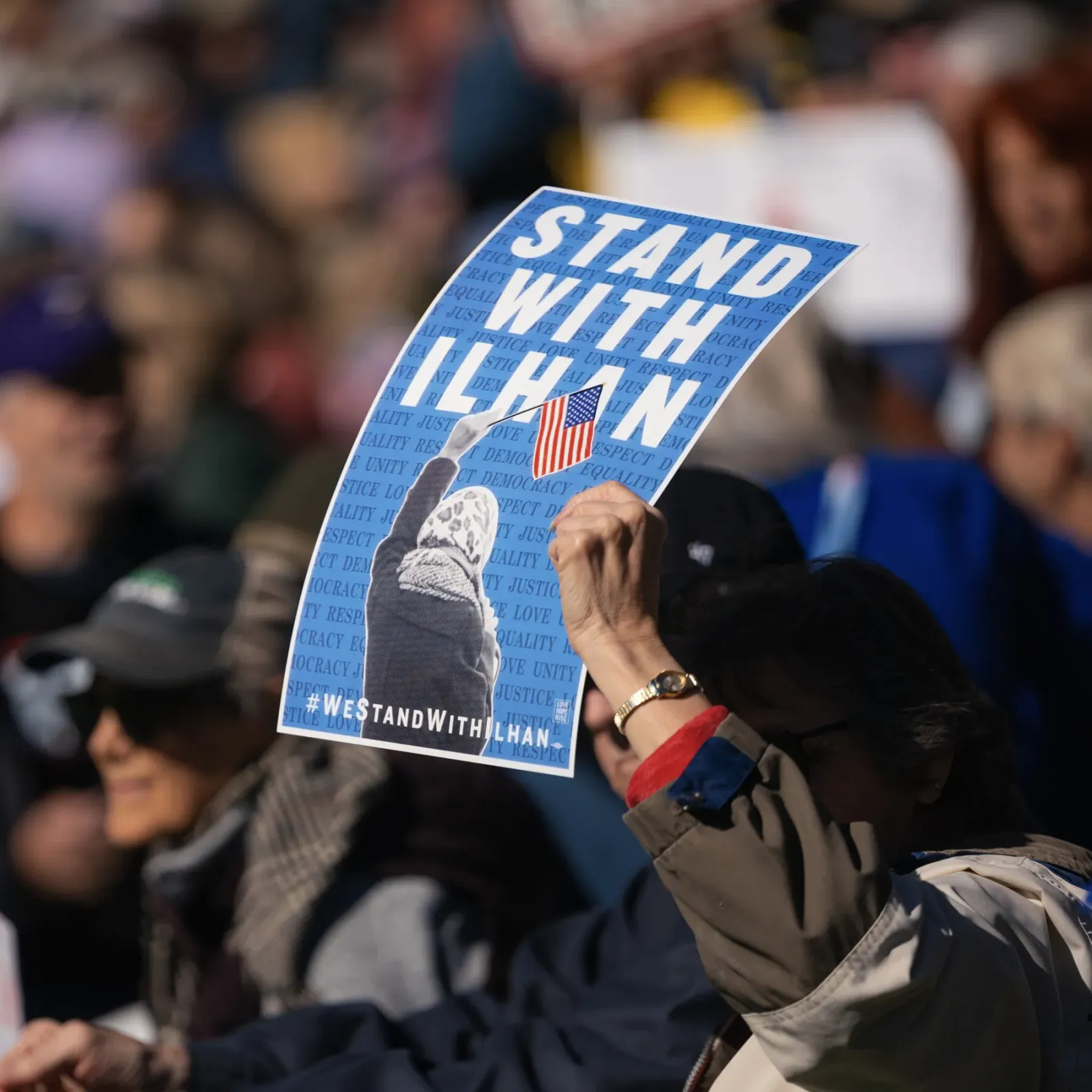
Obama Defends Ilhan Omar After Agents Search Her Home in Trump Inquiry
The former president's intervention raises the stakes in a federal probe into immigration paperwork that has put a prominent progressive lawmaker in the crosshairs.

Blair-era minister: cut welfare to fund youth job support
Alan Milburn's call for welfare cuts to fund employment support opens a Labour fight over benefits and the Neet crisis.
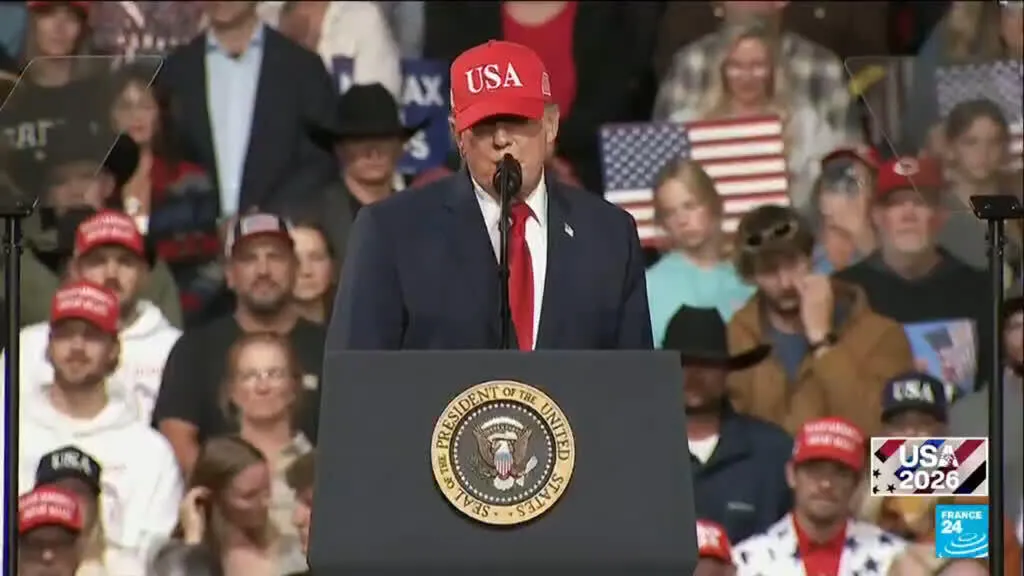
Hot September CPI: energy costs surge, voters feel the squeeze before midterms
The latest inflation print lands as Trump campaigns for GOP control of Congress, putting cost-of-living worries at the center of the midterm fight.