

DOJ drops Reflecting Pool case, calling contractor damage from a rushed, botched installation
The prosecution against a former Olympian collapses in court filings as DOJ points blame at installation failures and overspray.
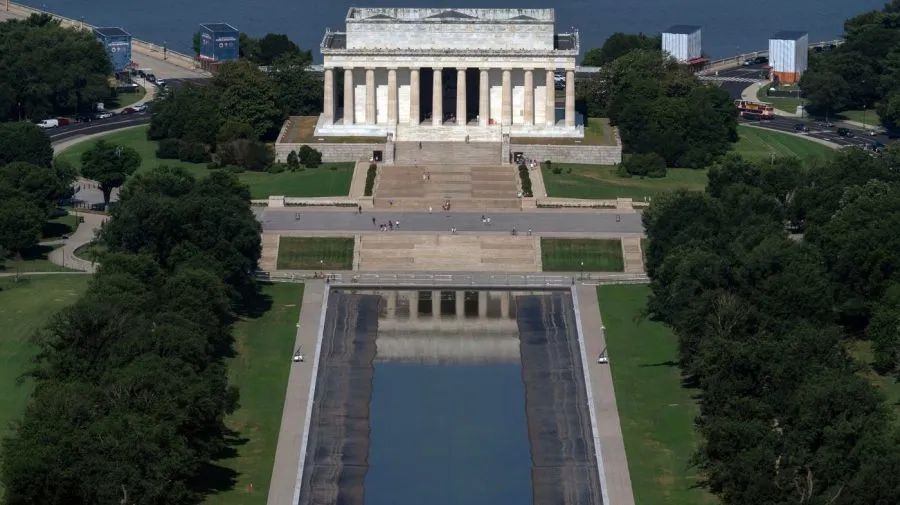
The DOJ moved Friday to drop its criminal prosecution of a former Olympian charged with destroying the Lincoln Memorial Reflecting Pool. The government says the damage came from a “rushed and botched installation,” shifting blame to the contractor.
The DOJ moved Friday to drop its criminal prosecution of a former Olympian charged with destroying the Lincoln Memorial Reflecting Pool. In a court filing, prosecutors said the damage was instead the result of a “rushed and botched installation,” not the actions of the defendant.
U.S. Attorney Jeanine Pirro’s office framed the cause in blunt, operational terms: the contractor allegedly oversprayed and the material delaminated. That framing matters because a criminal case is not just about what happened. It is about proving intent and causation beyond a reasonable doubt, and DOJ is now signaling that those elements do not hold up the way the prosecution originally needed them to.
Zoom out and this is a familiar pattern in high-profile government cases. When physical damage occurs at a site with national symbolism like the Lincoln Memorial Reflecting Pool, the early story tends to get locked in around a visible villain. A person is accused. A timeline gets built. Then filings start to reveal competing explanations, and suddenly the case shifts from “who did it” to “how did it fail.” DOJ’s move to drop the prosecution is effectively a course correction, but it is also a credibility statement: the government is telling the court that the cause of the damage is better explained by installation problems.
The “flawed installation” language is doing heavy lifting here. Overspray and delamination point to a process failure, not an isolated act of vandalism. In plain English, if the protective or applied materials were sprayed in a way that did not match the requirements, and the coating did not adhere correctly, the pool would be vulnerable to deterioration or structural issues even without intentional destruction. That distinction is crucial for any board, executive, or legal team tracking regulated, public-facing projects: when outcomes can be attributed to construction and materials, criminal intent becomes harder to prove.
There is also a second-order implication for decision-makers who live in the land of contractors and deliverables. When DOJ blames “rushed” work, the subtext is about project governance: schedule pressure, oversight, and sign-offs. The Hill report indicates that Pirro’s office blamed the contractor for overspraying and delamination, and that DOJ said the damage stemmed from a rushed and botched installation. In other words, the government is not just arguing about a single defect. It is arguing about the process that produced defects.
In corporate terms, think of this as the difference between a rogue actor and a broken system. Criminal cases, unlike civil disputes, are designed to punish culpable conduct. If prosecutors can credibly point to flawed implementation and installation mechanics as the primary cause, they are left with an evidence problem: the criminal theory may not match the technical reality. That mismatch is often what forces prosecutors to narrow, revise, or drop charges. Here, the DOJ move is the drop itself, meaning the evidence posture and legal risk assessment now favors the contractor-focused explanation.
For boards and executives, this is also a reminder that litigation outcomes can hinge on procurement and construction evidence that might otherwise feel “operational.” Overspray rates, adhesion performance, delamination timelines, and the conditions under which materials were applied are the kinds of details that determine liability narratives. When those details line up with a “botched installation” explanation, the legal system tends to treat intent as less central. That can change how organizations think about documentation, contractor management, and the escalation of schedule pressure into quality risk.
Finally, the strategic stakes go beyond this single case. Public projects and prominent landmarks attract attention, which attracts scrutiny, which attracts legal risk. A dropped criminal prosecution does not erase the underlying fact that damage occurred, but it does reshape who carries reputational and legal exposure. For peers in construction, facilities, and government-adjacent work, the message is clear: when government prosecutors pivot to installation failures, the spotlight moves from personal conduct to system-level execution. And if you are responsible for governance in environments where contractors deliver critical public assets, your risk equation should already be weighted toward preventing exactly the kind of rushed, botched outcome DOJ is now pointing to in court.
This story's Key Insights and Take-aways are locked.
Create a free account to unlock Executive Actions for one credit.
Register to UnlockAlways free for Executives Club members. Join the Club
More in Politics
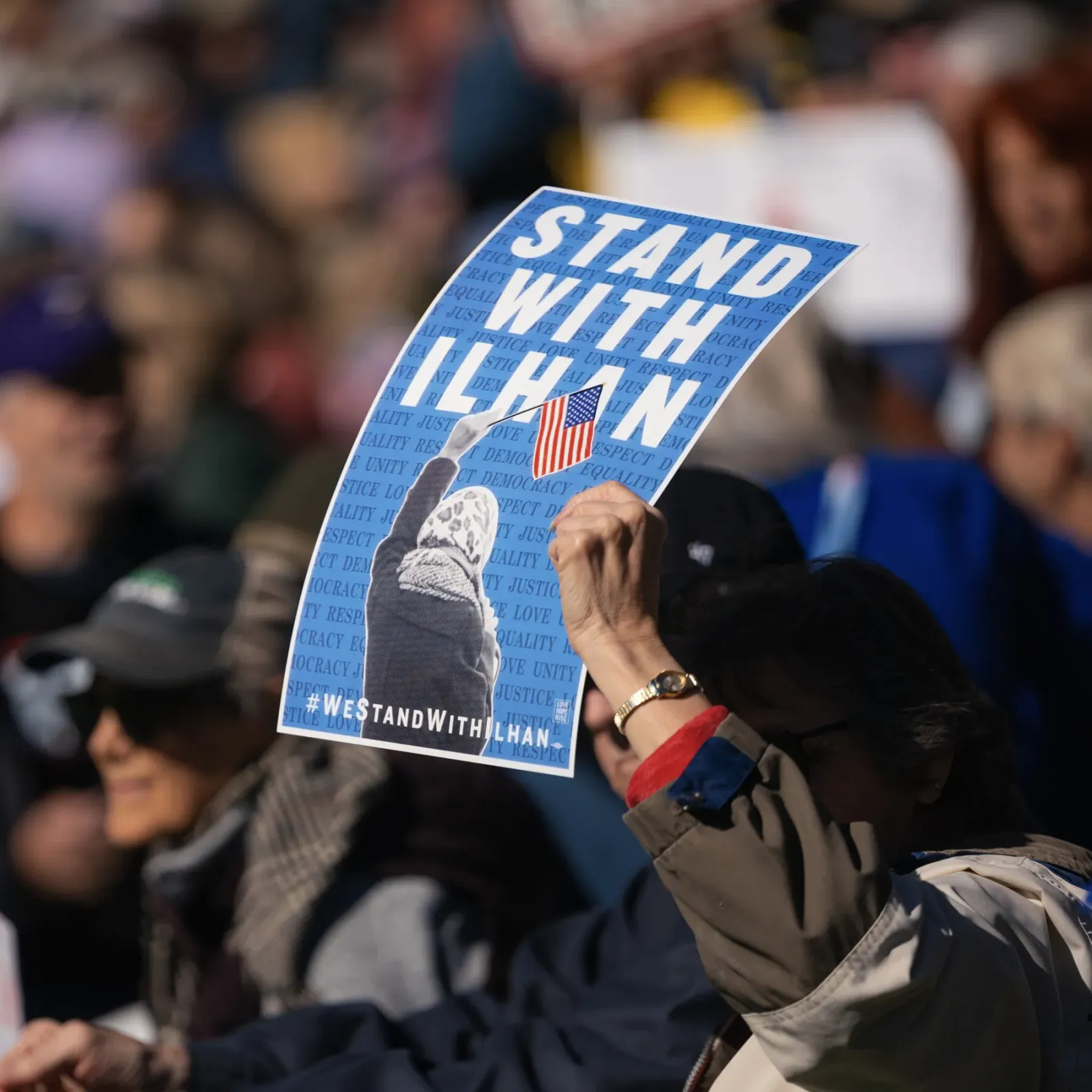
Obama Defends Ilhan Omar After Agents Search Her Home in Trump Inquiry
The former president's intervention raises the stakes in a federal probe into immigration paperwork that has put a prominent progressive lawmaker in the crosshairs.

Blair-era minister: cut welfare to fund youth job support
Alan Milburn's call for welfare cuts to fund employment support opens a Labour fight over benefits and the Neet crisis.
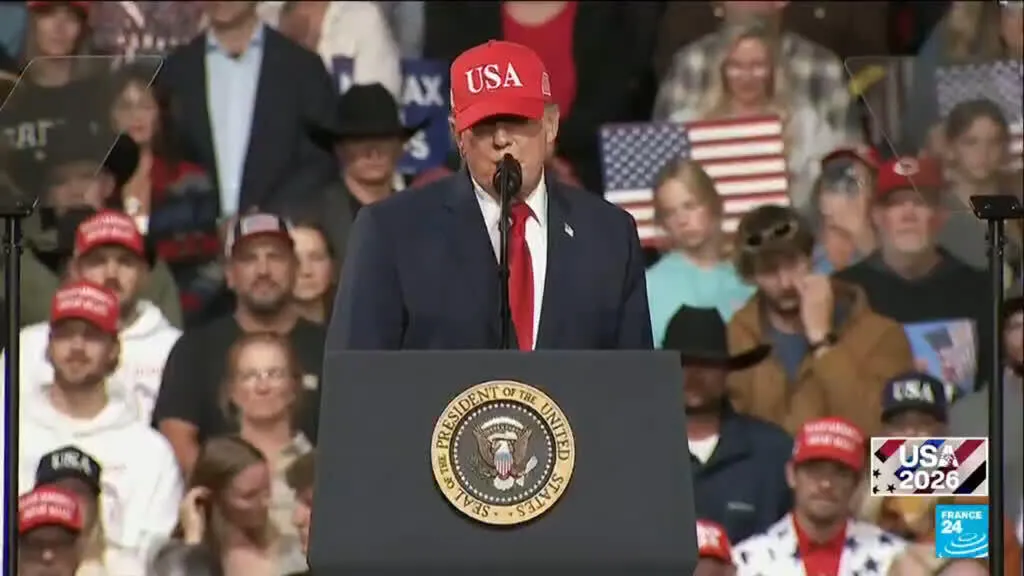
Hot September CPI: energy costs surge, voters feel the squeeze before midterms
The latest inflation print lands as Trump campaigns for GOP control of Congress, putting cost-of-living worries at the center of the midterm fight.