

Fetterman says Trump has “zero leverage” over GOP senators blocking DOJ’s Blanche
Why a trio of lame-duck Republicans may limit Trump’s ability to lock in DOJ leadership fast.
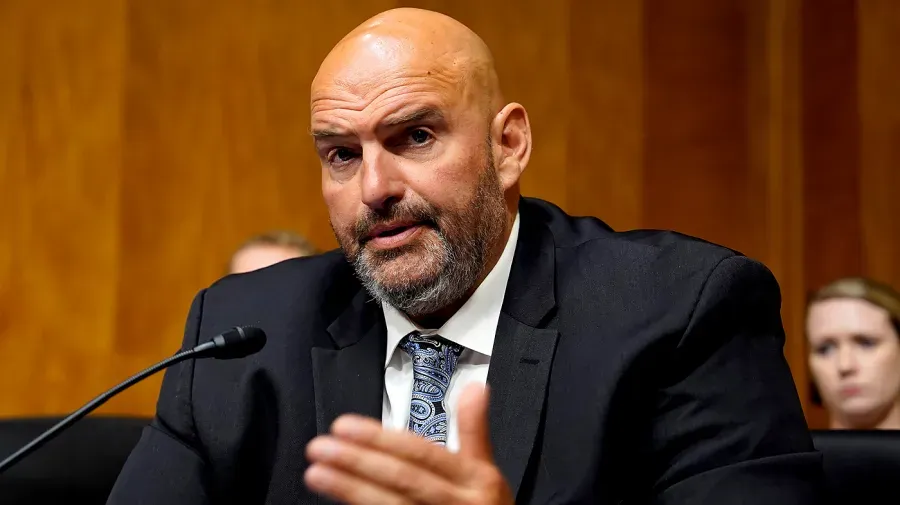
Sen. John Fetterman (D-Pa.) argued President Trump has “zero leverage” over three outgoing Republican senators as they challenge Trump’s nomination of acting Attorney General Todd Blanche to a permanent DOJ role. The fight matters because who controls DOJ leadership shapes how aggressively the department can pursue priorities during and after a transition.
Sen. John Fetterman (D-Pa.) says President Trump has “zero leverage” over three outgoing Republican senators who are skeptical about Trump’s nomination of acting Attorney General Todd Blanche to a permanent role overseeing the Department of Justice (DOJ). In Fetterman’s telling, the lame-duck dynamic cuts against Trump’s influence in Congress right when the president is trying to convert an acting appointment into something durable.
That argument centers on the same specific political choke point: the Senate’s willingness to move quickly, or not. Fetterman is pointing at weaknesses in Trump’s ability to convert executive-branch appointments into Senate-confirmed power, while Sens. Thom Tillis (N.C.), Bill Cassidy (La.) and John Cornyn (Texas) each expressed skepticism about Blanche’s nomination, according to the report.
To understand why that sounds like a big deal to people who do not live on the Hill, you have to start with what the DOJ actually is to the rest of the world. The Department of Justice is not just another federal agency with a mission statement. It is one of the biggest levers the federal government has for enforcement and investigation across corporate life: criminal cases, civil enforcement, antitrust pressure, and regulatory spillover. The attorney general is the top official who sets tone and priorities, even if day-to-day decisions are shaped by career staff and internal processes. So leadership continuity is power, and “acting” status is often a bridge that either stabilizes quickly or becomes a holding pattern.
This is also a moment where political timing matters more than usual. The outgoing status of Tillis, Cassidy, and Cornyn is the key. In normal Senate cycles, lawmakers often weigh incentives like committee influence, bipartisan dealmaking, and the costs of looking obstructionist later. But during the lame-duck period, the incentives can shift: some senators may be more focused on departing with clear records, while others may feel less constrained by future party negotiations. That does not automatically mean they will block a nomination, but it does explain why they can be skeptical without feeling the same long-term pressure to cooperate.
Fetterman’s “zero leverage” framing is essentially a bet about bargaining power. If the senators who can slow-roll or shape the nomination process are not responsive, the president’s influence does not translate into Senate action. That is the risk for any administration trying to lock in the “permanent” version of an acting official. Acting appointments can move fast, but permanence often requires a different political ecosystem: committee posture, floor scheduling, and member-by-member calculation. If that ecosystem is hostile or indifferent, the nomination can stall or degrade into a prolonged limbo.
The second-order impact is that DOJ leadership uncertainty tends to ripple outward. Even when no dramatic legal event happens immediately, counterparties plan around risk. Businesses, boards, and deal teams typically watch signals about enforcement intensity, investigative focus, and prosecutorial appetite. Leadership turnover at the top of DOJ can change those signals, and prolonged confirmation battles can keep those signals ambiguous. That ambiguity can influence how companies manage compliance posture, how aggressively they consider settlements, and how much they invest in legal readiness. In capital markets terms, it can affect perceived regulatory risk, even if the underlying statutes and regulations stay the same.
There is also a governance angle. Boards and executive teams think about DOJ not because they can control it, but because it is a major upstream driver of downstream outcomes. A stable attorney general and a settled internal leadership chain can reduce uncertainty. Conversely, a nomination fight involving multiple senators, including high-profile figures like Tillis, Cassidy, and Cornyn, can keep leadership unsettled. That can shift internal decision-making, especially for companies operating in regulated spaces or those with any exposure to investigations.
For decision-makers watching this, the strategic takeaway is about process as much as politics. If the president’s leverage is truly limited at the exact moment he needs Senate confirmation, then similar nominations and confirmations can face friction even after an acting official is already in place. That is why this fight is more than Beltway theater. It is a real-time test of how quickly executive-branch power can be “certified” by Congress, and how much the Senate can still shape the enforcement posture of the federal government through leadership appointments at DOJ.
This story's Key Insights and Take-aways are locked.
Create a free account to unlock Executive Actions for one credit.
Register to UnlockAlways free for Executives Club members. Join the Club
More in Politics
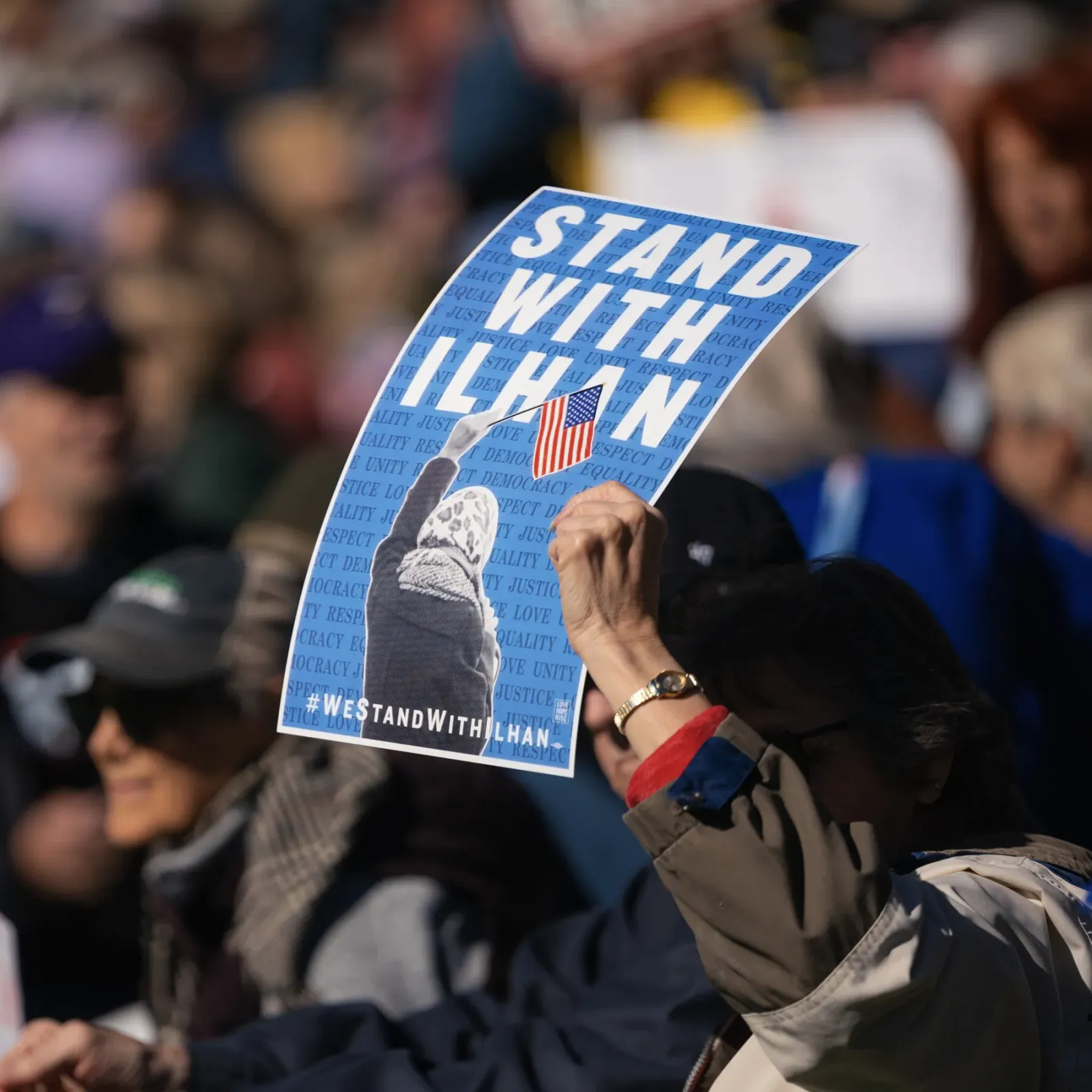
Obama Defends Ilhan Omar After Agents Search Her Home in Trump Inquiry
The former president's intervention raises the stakes in a federal probe into immigration paperwork that has put a prominent progressive lawmaker in the crosshairs.

Blair-era minister: cut welfare to fund youth job support
Alan Milburn's call for welfare cuts to fund employment support opens a Labour fight over benefits and the Neet crisis.
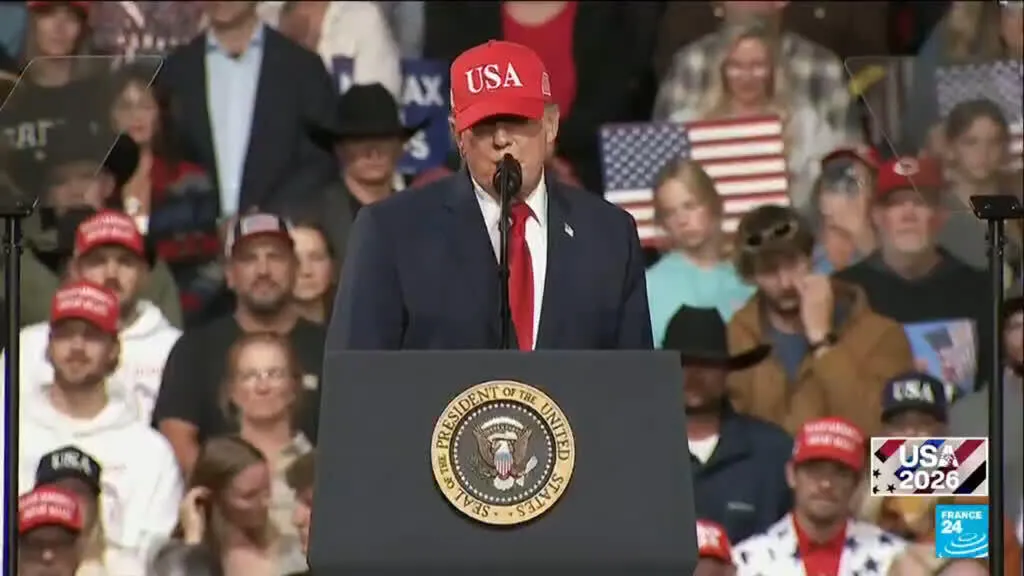
Hot September CPI: energy costs surge, voters feel the squeeze before midterms
The latest inflation print lands as Trump campaigns for GOP control of Congress, putting cost-of-living worries at the center of the midterm fight.