

Amazon got $600M Trump tariff refund, promises customer returns
The Supreme Court tariff ruling is now pushing refunds onto balance sheets and, potentially, into customers' pockets.

Amazon disclosed it received $600 million in tariff refunds tied to President Trump’s tariffs and said it will return some of the profits to customers. The move matters for executives because it turns an ongoing legal fight into real cash flows, refund processes, and pricing expectations.
Amazon says it received $600 million in tariff refunds related to President Trump’s tariffs and will return some of that money to customers. The timing is not random, either. The refund wave follows an earlier Supreme Court decision that found many of the Trump administration’s tariffs were illegal, which set off a U.S. government process to unwind the charges.
In other words, this is a rare moment where the courtroom shows up on the receipt. Amazon is effectively telling customers (and the market) that once tariffs are ruled unlawful, a big chunk of the financial impact does not disappear into the ether. It comes back through refunds, then becomes a question of what companies do with the money after they receive it. Amazon is also signaling that it does not intend to keep all of the upside, even though refunds are often treated as accounting clean-up rather than a customer-facing event.
To understand why $600 million is a big deal, you have to zoom out to how tariff disputes usually work. When tariffs are imposed, the costs tend to flow through the supply chain and show up in prices, contracts, and product margins. If a legal challenge succeeds later, the mechanics of refunding can be slow, paperwork-heavy, and full of edge cases about who paid, who passed through, and when. That is why the Supreme Court ruling earlier this year matters so much. It did not just declare tariffs illegal in theory. It kicked off a formal refund process inside the government, which then created an actual, measurable cash event for companies like Amazon.
From a board and finance perspective, the interesting part is not just the refund itself. It is the governance and incentives around “return some to customers.” Once you are talking about customer returns, you move from pure risk management to reputational and commercial management. Companies can face pressure from multiple directions: customers expect relief when a policy is overturned, business partners want clarity on downstream pricing, and regulators watch for gamesmanship in how refunds are handled.
Amazon’s pledge also highlights how closely corporate strategy now tracks legal outcomes. In the past, tariff reversals might have been treated primarily as macro background. Now, the money is on the balance sheet and the public statement is part of the strategy. That means executives at other retailers, marketplaces, and logistics-heavy businesses will need to consider not only the timing of refunds but also the communication plan, because the market is learning to read tariff litigation like a lead indicator for margin and pricing behavior.
There is a second-order implication for anyone managing consumer expectations: when refunds become customer-facing, they can change what customers view as “fair.” Even if the refund mechanics are complex, companies may be forced into a more explicit discussion of how unlawful policy costs are addressed. That can tighten the link between policy risk and brand perception. It is not enough to have correct numbers. The narrative has to make sense, too.
Meanwhile, the government refund process itself becomes part of the commercial landscape. The source notes that the Supreme Court decision earlier this year led to the U.S. government starting a process. That kind of process can create uneven timing across firms, different interpretations, and administrative bottlenecks. If refunds are staggered, companies might see temporary volatility in results, which can affect investor expectations about operating income, promotional intensity, and forward guidance.
So for executives, this is not just an Amazon story. It is a template for how tariff reversals can turn legal rulings into near-term financial and customer-policy decisions. When a company receives $600 million in refunds and commits to sharing some of the upside with customers, it sets a reference point. Competitors and boards will ask the same core questions: How quickly do we expect refunds? What is the customer-facing policy? And how do we balance margin protection with public trust when the law changes after the fact?
This story's Key Insights and Take-aways are locked.
Create a free account to unlock Executive Actions for one credit.
Register to UnlockAlways free for Executives Club members. Join the Club
More in Politics
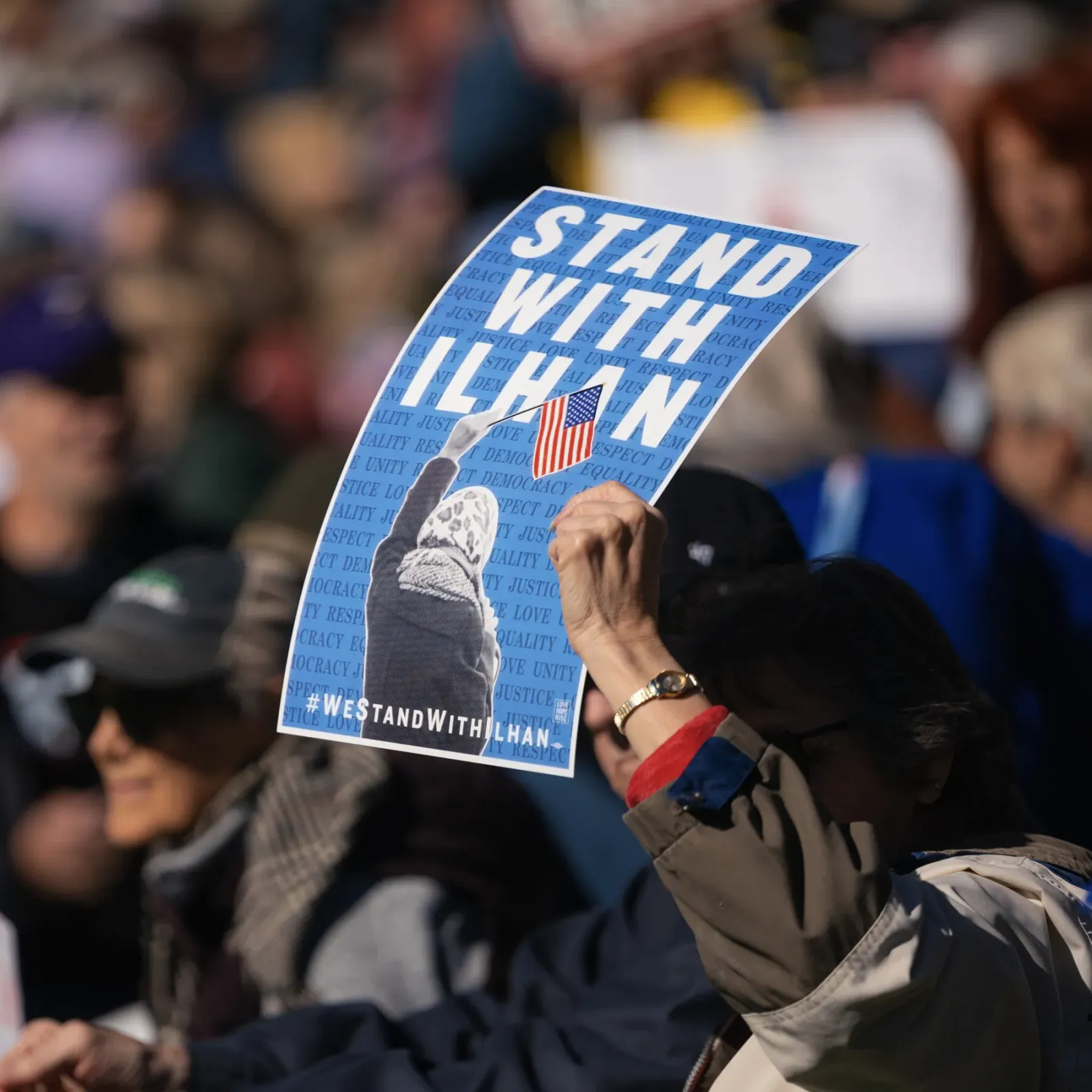
Obama Defends Ilhan Omar After Agents Search Her Home in Trump Inquiry
The former president's intervention raises the stakes in a federal probe into immigration paperwork that has put a prominent progressive lawmaker in the crosshairs.

Blair-era minister: cut welfare to fund youth job support
Alan Milburn's call for welfare cuts to fund employment support opens a Labour fight over benefits and the Neet crisis.
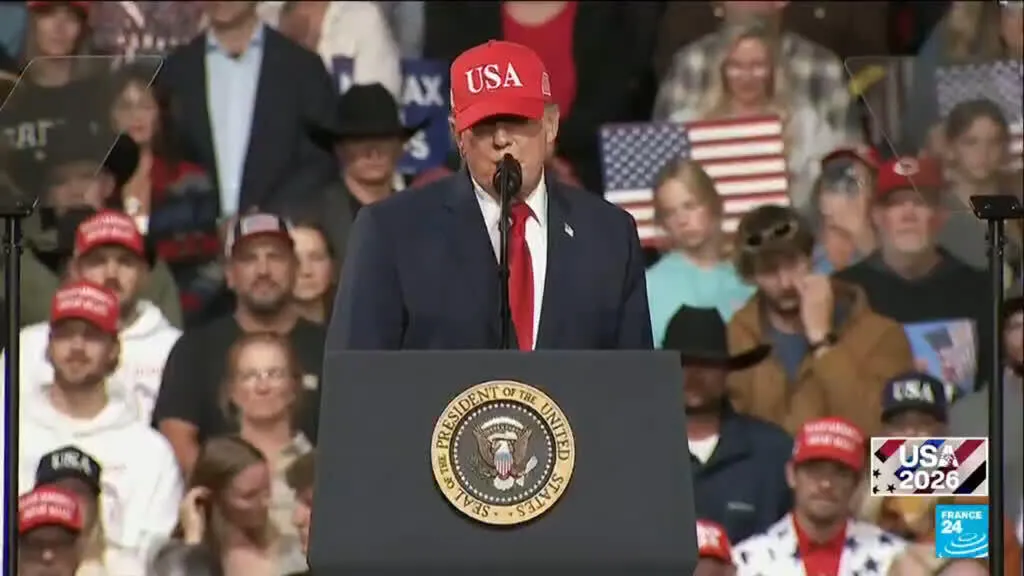
Hot September CPI: energy costs surge, voters feel the squeeze before midterms
The latest inflation print lands as Trump campaigns for GOP control of Congress, putting cost-of-living worries at the center of the midterm fight.