

Prosecutors seek dismissal in David Hearn Reflecting Pool case, citing “botched installation”
A $14 million renovation is at the center, as prosecutors argue the vandalism claim was a mistake.

Prosecutors moved to dismiss the Reflecting Pool vandalism case against David Hearn after accusing him of ripping sealant following a $14 million renovation. They now say the “botched installation” is to blame, a pivot that changes how courts may view intent and causation.
Prosecutors have moved to dismiss the Reflecting Pool vandalism case against David Hearn, arguing that a “botched installation” is to blame rather than Hearn’s actions. The case originally centered on the government’s accusation that Hearn ripped a piece of sealant after a $14 million renovation.
Hearn has repeatedly said he simply touched the water in the pool out of curiosity last month. That is the core factual fight: prosecutors say the government’s theory of vandalism does not hold up, while Hearn frames the conduct as harmless curiosity, not damage.
Even though this is a single case, it lands in a broader, familiar arena for public-sector accountability and enforcement. When governments prosecute alleged property damage tied to major upgrades, the story is not only what someone did. It is also what actually caused the issue. Was there a problem created by construction, maintenance, or installation? Or did an individual cause new damage that can be tied to a specific moment? In cases like this, the court is often forced to decide whether the evidence can prove both the action and the causation beyond a reasonable doubt.
The “botched installation” framing matters because it shifts the burden of explanation. If the government concedes that the installation was flawed, then the alleged damage might not have been a clean, attributable act that neatly points to one person. Renovations on the scale of a $14 million project typically involve multiple stages and contractors, plus inspections and signoffs. When something goes wrong after a modernization effort, prosecutors and defendants both face a real question: are we dealing with a human wrongdoing narrative, or a systems failure narrative?
There is also a timing and incentives angle. Hearn’s account is that he “simply touched the water in the pool out of curiosity last month,” which implies a limited interaction. Prosecutors originally treated that interaction as vandalism requiring culpability. The new motion suggests prosecutors now believe the story they previously advanced may be incomplete or incorrect, at least as to the cause of the alleged damage. For decision-makers who care about compliance and risk, the second-order issue is trust: once a theory like “intentional damage” is staked, a pivot to “installation error” can shake confidence in the underlying investigation.
This is where boards, executives, and legal teams should pay attention even if they are not in the business of pool sealant. The legal system, like any operational system, depends on clean linkage between observed events and root cause. In corporate and public organizations alike, a similar pattern shows up when incidents are investigated. If the investigation initially focuses on a person, but later finds that the environment was incorrectly built or maintained, leaders often have to unwind remediation plans, update internal controls, and revisit how evidence was collected.
For public institutions, the stakes can be even sharper. A $14 million renovation is not just spending; it is a promise to taxpayers that the upgraded asset will be safe and functional. When a dispute emerges after such a project, the reputational impact can exceed the legal outcome. A dismissal does not automatically mean no one did anything wrong, but it changes what the government is willing (or able) to prove in court. That can influence how future contracts are structured, how installation standards are enforced, and how maintenance is monitored, especially for high-visibility civic spaces.
For peers running compliance programs, the executive takeaway is simple and uncomfortable: you can be confident in a narrative and still end up needing to prove causation under pressure. Prosecutors seeking dismissal on the grounds of “botched installation” highlights that courts will scrutinize whether the theory of wrongdoing matches the physical reality. If the damage stemmed from flawed installation, then intent attached to a specific individual becomes harder to justify.
In practical terms, this case underscores why modern governance treats evidence and root cause analysis as first-class work, not afterthoughts. When organizations allocate significant capital and then face an alleged incident, the fastest path to clarity is often rigorous reconstruction of the timeline and the technical cause. And if prosecutors ultimately drop the case, it could ripple outward: shifting attention away from punishing a person and toward tightening how installations are delivered and verified for the next $14 million project and beyond.
This story's Key Insights and Take-aways are locked.
Create a free account to unlock Executive Actions for one credit.
Register to UnlockAlways free for Executives Club members. Join the Club
More in Politics
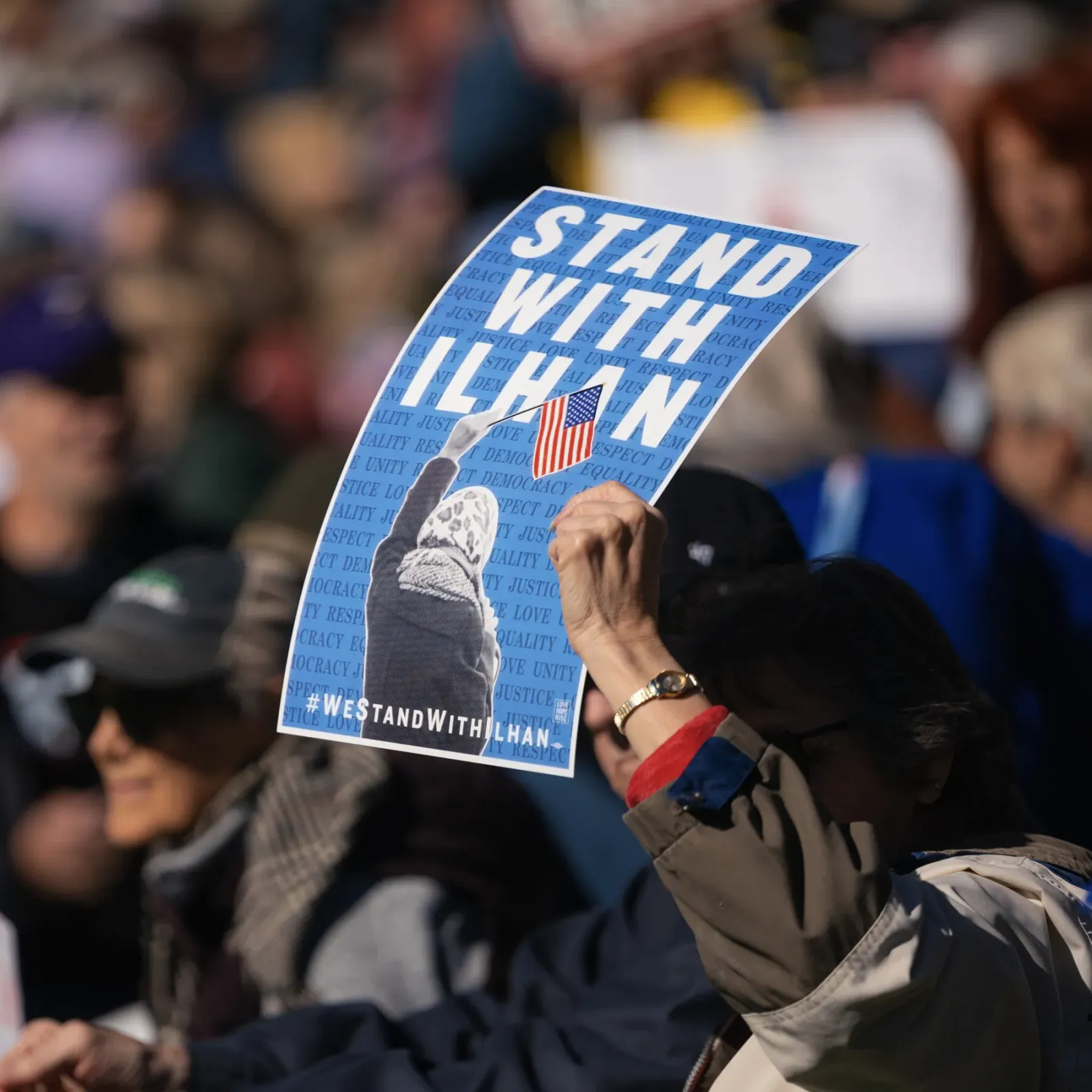
Obama Defends Ilhan Omar After Agents Search Her Home in Trump Inquiry
The former president's intervention raises the stakes in a federal probe into immigration paperwork that has put a prominent progressive lawmaker in the crosshairs.

Blair-era minister: cut welfare to fund youth job support
Alan Milburn's call for welfare cuts to fund employment support opens a Labour fight over benefits and the Neet crisis.

Hot September CPI: energy costs surge, voters feel the squeeze before midterms
The latest inflation print lands as Trump campaigns for GOP control of Congress, putting cost-of-living worries at the center of the midterm fight.