
Trump and Netanyahu risk another Gaza clash after Trump’s new announcement
The move lands amid a shaky Trump-Netanyahu relationship shaped by the war against Iran, raising fresh diplomatic and strategic volatility.

President Trump made a new announcement that may reopen friction with Israeli Prime Minister Benjamin Netanyahu over Gaza planning. For decision-makers watching the Iran war and Middle East alignment, the announcement signals diplomacy is still unstable and could affect downstream choices.
President Trump’s announcement about Gaza comes at a particularly uncomfortable moment in his relationship with Israeli Prime Minister Benjamin Netanyahu. The New York Times frames it as the kind of timing that can turn already-thin trust into a fresh disagreement, especially given the larger strategic fight both leaders are pursuing together against Iran.
That matters because the relationship is not just “allies who coordinate.” The Times describes the announcement as landing at a difficult point in the Trump-Netanyahu dynamic over their war against Iran. In other words, Gaza is not operating in a vacuum. It is sitting on top of a deeper, still-active set of incentives, where disagreements can spill across issues because both sides are trying to manage the same overarching threat.
To understand why a Gaza plan can trigger another round of tension, it helps to think about how leaders coordinate during a high-stakes conflict. When multiple parties are aligned on one priority, like pressing against Iran, their cooperation often becomes more about harmonizing narratives and sequencing decisions than about day-to-day policy. Gaza, however, requires constant, granular choices. Who controls what, when civilians can move, what governance looks like after a fighting phase, and how long security arrangements last. Those are exactly the kinds of decisions that can create friction quickly if one side believes the other is moving too fast, too slow, or in a way that undermines its broader strategy.
The second reason this is politically and strategically sensitive is that Gaza planning can quickly become a reputational battleground. Netanyahu’s government is operating under pressure from domestic constituencies that prioritize security and political leverage. Trump, meanwhile, is balancing the optics of American influence, the expectations created by his previous messaging, and the constraints of working with allies while projecting leadership. When a new announcement enters the picture, even if it is not inherently hostile, it can be interpreted as direction-setting. And direction-setting is what allies argue about when they do not fully agree on the endgame.
Now zoom out to the broader Middle East context. The Times explicitly ties this Gaza moment to the war against Iran. That linkage is a reminder that regional conflicts often behave like gravitational systems: different arenas pull on each other. Tensions over Gaza planning can affect how Israel and the United States approach Iran containment, what kind of diplomatic coalition they can assemble, and whether each side feels it has the political room to take certain actions.
For investors and executives, the practical point is not “geopolitics is happening.” It is how geopolitics feeds second-order risk, especially through policy uncertainty. Even when no company is named, markets have learned to price uncertainty. Financial outcomes can get whipsawed by changes in regulatory posture, sanctions enforcement intensity, export-control attention, or even just the probability of additional escalation. Corporate planning teams do not need a specific headline about their sector to feel the impact. They need to monitor whether the direction of policy alignment is stabilizing or deteriorating.
There is also a governance angle that matters for boards and risk committees. Relationships between leaders often determine the predictability of the policy environment. If Trump and Netanyahu are at odds again over Gaza planning, the “signal” for executives is not a single policy reversal. It is the risk that coordination becomes harder, messaging becomes noisier, and contingency plans become more likely to activate. That is the kind of environment where compliance teams, government affairs functions, and treasury groups get more work, not less.
So the strategic stakes here are bigger than Gaza itself. The Times is pointing to a potential loop: a difficult moment in the Trump-Netanyahu relationship, a Gaza announcement that reopens the question of who gets to shape the plan, and a backdrop of a war effort aimed at Iran. When that loop tightens, it increases the chance that Gaza becomes another arena for larger disagreements to play out. For decision-makers tracking similar alliances and conflict-linked policy, the lesson is straightforward: timing and alignment are not “nice to have.” They are the difference between coordination that holds and plans that unravel.
This story's Key Insights and Take-aways are locked.
Create a free account to unlock Executive Actions for one credit.
Register to UnlockAlways free for Executives Club members. Join the Club
More in Politics

DOJ drops Reflecting Pool case, calling contractor damage from a rushed, botched installation
The prosecution against a former Olympian collapses in court filings as DOJ points blame at installation failures and overspray.
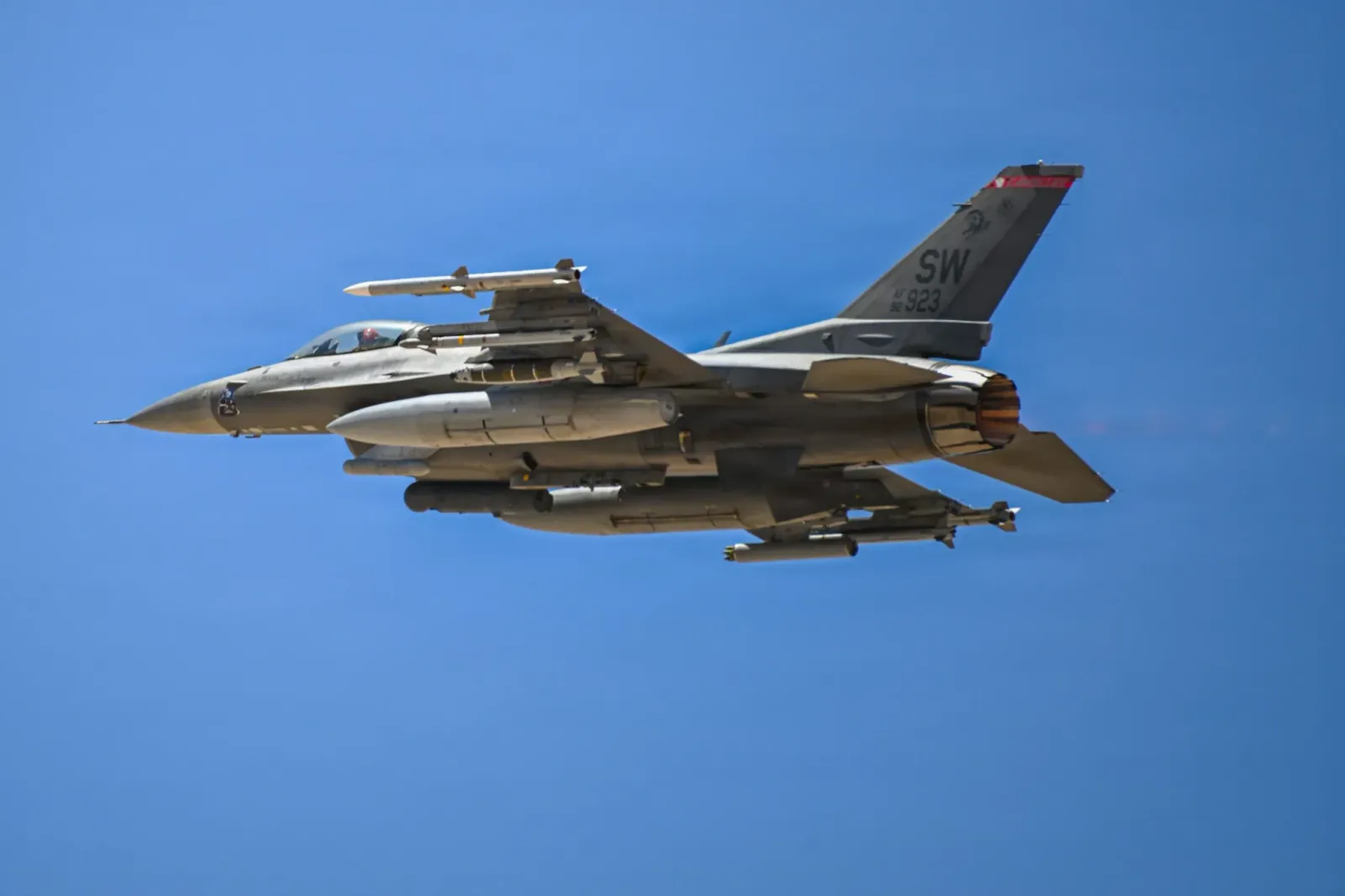
Trump orders US to hit Iran “as soon as this weekend,” WSJ reports
A reported shift toward harder strikes and possible energy targets raises escalation, munitions, and war-crime risk in one move.
Fetterman says Trump has “zero leverage” over GOP senators blocking DOJ’s Blanche
Why a trio of lame-duck Republicans may limit Trump’s ability to lock in DOJ leadership fast.