

Getty kills $3.7B Shutterstock merger after U.K. demands editorial divestiture
A U.K. regulator requirement made the deal non-viable for Getty. Here is what that means for media licensing bets.

Getty Images abandoned its $3.7 billion merger with Shutterstock. The company said the scuttling came after a U.K. regulator required Getty to divest Shutterstock's editorial business, which Getty called a non-starter.
Getty Images has scrapped its $3.7 billion merger with Shutterstock, and it traced the breakup to a U.K. regulator. According to The Hollywood Reporter, the regulator required a divestiture of its rival's editorial business. Getty says that condition was a non-starter, which effectively collapsed the transaction rather than letting it limp toward a modified approval.
That headline is not just deal drama. For executives, the real signal is how regulators can redefine what “approval” even means. In this case, the regulator did not merely demand tweaks to overlap like pricing structures or marketing. It pushed for a structural remedy that touched the editorial side of the combined company, meaning the merged entity would have to give up part of its control, assets, or operating footprint tied to editorial content.
To understand why that matters, you have to know what these companies actually do. Getty Images is a major supplier of licensed photography and related content. Shutterstock is also a key marketplace for licensed assets. When two big players try to combine, the economic logic often centers on scale: broader catalog depth, stronger distribution, and improved leverage with customers who buy content for advertising, media, and digital products.
But U.K. competition regulators typically look beyond “scale” and toward what the deal would change for competition, control, and incentives. When a regulator requires divestiture, it is usually because it believes a straightforward merger would reduce competitive pressure. And if the required divestiture targets the rival's editorial business specifically, the regulator is likely treating “editorial” as a distinct lever of competition. In other words, it is not enough that the photolibrary market could look consolidated at a high level. The regulator appears to have viewed editorial operations as a meaningful part of the competitive landscape that could not safely sit inside one combined owner.
For Getty, that divestiture requirement was reportedly a “non-starter.” That phrasing matters because it implies the company evaluated the regulatory condition and concluded it would undercut the deal's fundamental rationale. Executives do not generally reject an approval path lightly, especially when the headline number is $3.7 billion. Scuttling a transaction at that size signals that the remaining deal would not deliver the intended benefits, whether those benefits are cost synergies, product bundling, strategic control of content, or the economics of selling licenses tied to editorial-related work.
There is also a governance angle here. In complex mergers, boards and senior leadership usually prepare for regulatory outcomes as part of diligence. When a deal still ends up killed, it often means one side either cannot accept the remedy, or believes the remedy would be too uncertain or too expensive to execute. A divestiture can require carve-outs, new management, customer migrations, integration rewrites, and even renegotiations of existing agreements. Even if the divestiture is operationally possible, it may not be commercially coherent.
Second-order implications for other media and digital asset deals are immediate. If a U.K. regulator is willing to demand an editorial-business divestiture in a photo licensing merger, it tells management teams to expect “content governance” to show up in antitrust and competition review, not just distribution overlap. For executives considering similar combinations in licensing, marketplaces, or content platforms, the lesson is that regulatory focus can land on categories like editorial content, not only on who sells photos.
For decision-makers tracking M&A strategy, this is also a reminder that a big price tag does not buy regulatory certainty. $3.7 billion may sound decisive, but if the approval condition changes the identity of the combined business, the deal can still fail. Getty and Shutterstock were aiming for a combined future; instead, the U.K. regulator's remedy framework forced a hard stop. And for anyone underwriting growth through consolidation in creative and media markets, that is the strategic stake: regulators can redefine the “deal” itself, and if the required trade is unacceptable, the entire plan collapses.
This story's Key Insights and Take-aways are locked.
Create a free account to unlock Executive Actions for one credit.
Register to UnlockAlways free for Executives Club members. Join the Club
More in Business
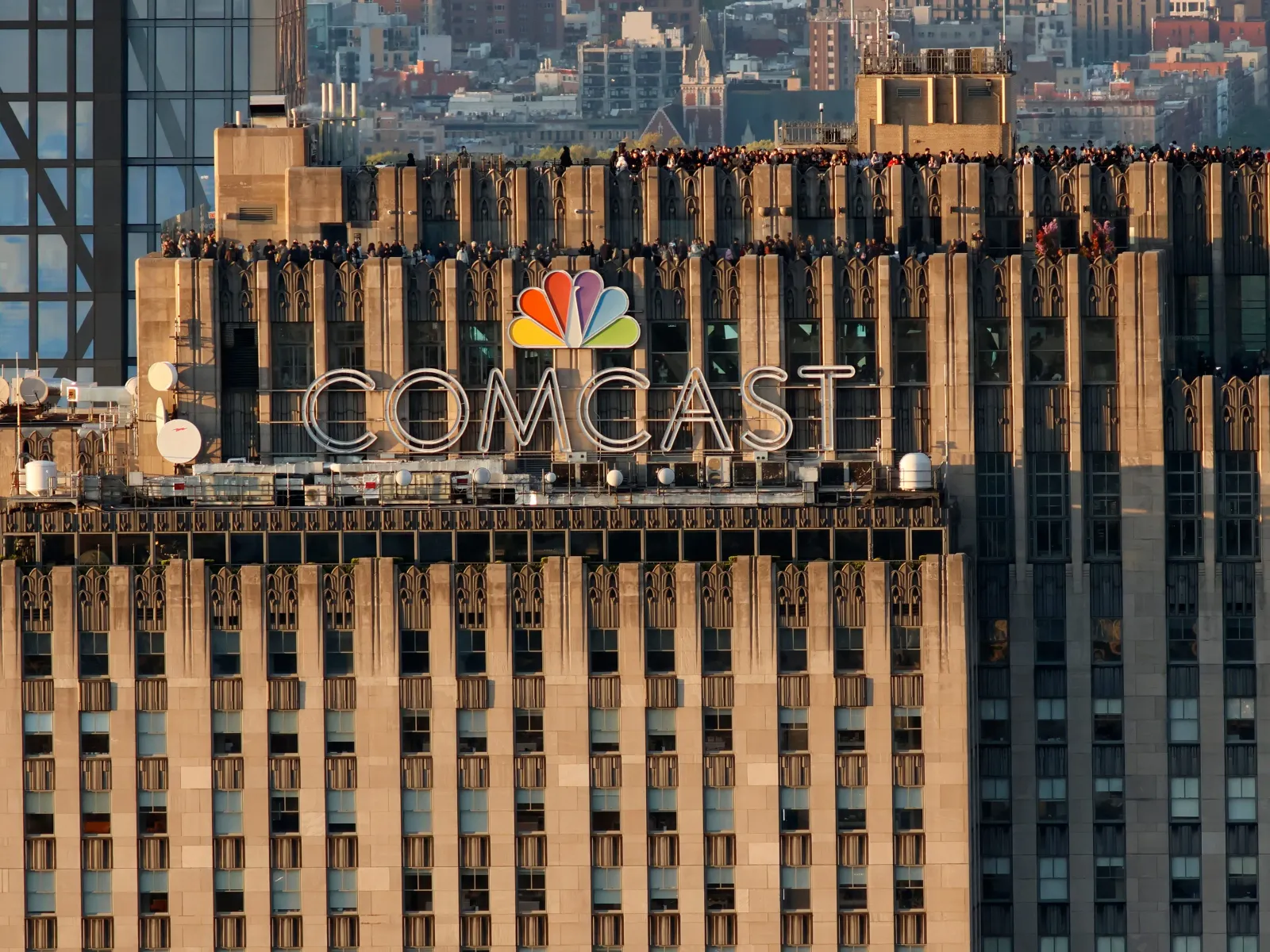
Comcast shares jump 25% as it plans to split NBCUniversal and Sky
The tax-free spin-off could reshape focus, funding, and competition across media and tech for years.

Bungie cuts most Destiny 2 staff as Sony says Marathon still matters
Herman Hulst confirms layoffs affecting most Destiny and some Marathon teams after Bungie admits Destiny fell short.

SK Hynix jumps 11% after seeking up to $29.4B in Nasdaq listing
The chip giant filed for a Nasdaq listing plan that could raise $29.4 billion, instantly reshaping investor expectations.