
Ghost Recon Wildlands may get a PS5 and Xbox Series X/S Definitive Edition
Ubisoft appears to be lining up an anniversary-era “definitive” release, but it’s unclear if it’s a true remaster.
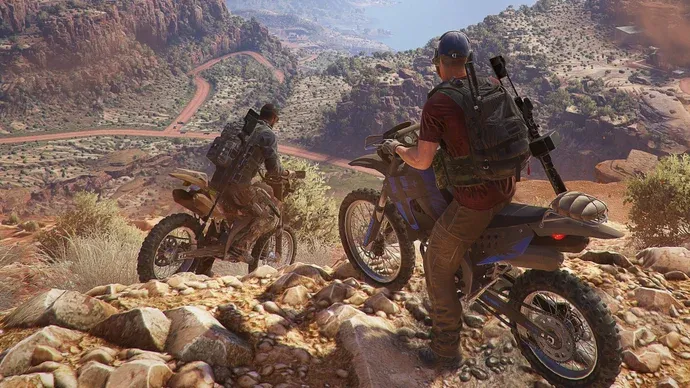
Ubisoft is being linked to a new PS5 and Xbox Series X/S Definitive Edition for Tom Clancy's Ghost Recon Wildlands. The development is being framed as an early celebration of the game’s 10th anniversary next March, raising questions about whether it’s a remaster or a re-release.
Tom Clancy's Ghost Recon Wildlands, an open-world co-op shooter that will be 10 years old next March, appears to be heading to PS5 and Xbox Series X/S in the form of a “Definitive Edition.” The key word here is “appears.” The reporting indicates Ubisoft is celebrating the anniversary early, but it also leaves the most important question hanging: is this actually a remaster, or is it more of a bog standard re-release with updated packaging and platform support?
For decision-makers, that distinction is not academic. A remaster implies measurable changes, like meaningful enhancements to performance or visuals, while a re-release implies you are primarily selling access, compatibility, and nostalgia. The story’s suspense is exactly what makes it relevant: players “itching to replay” could get a better version, or they could just get a new storefront SKU. Either way, Ubisoft’s timing matters. Turning a 10-year milestone into a PS5 and Xbox Series X/S push is a straight shot at reviving engagement without waiting for an entirely new sequel to ship.
Now zoom out. For publishers, reissuing older hits is one of the cleanest paths to revenue when new releases face long development timelines and crowded holiday competition. Open-world co-op games also have durable demand because the core play pattern does not expire. Even if the game’s graphics age, the loop of planning missions, coordinating with teammates, and roaming a big map remains legible. That durability is why anniversary campaigns can work: you are not just selling pixels, you are selling a ready-made community activity.
But here is where the uncertainty in the report becomes a real board-level issue. If Ubisoft is delivering a remaster, the “Definitive Edition” label sets expectations for tangible upgrades. If it is a re-release, the company is relying on brand loyalty and the fact that many players simply want the game to work on current hardware. In the gaming market, that expectation gap can turn into customer friction fast, especially when players feel they are paying for the same experience.
There is also an industry habit to consider. Many publishers bundle old content with platform updates, sometimes with additional features or quality-of-life improvements, then market the result as “definitive.” That does not necessarily mean deception, but it does mean executives should treat the wording as a promise with weight. In other words, the phrase “Definitive Edition” is not just branding. It is a claim about completeness. If the upgrade level is light, the reputational cost can outweigh the short-term sales lift.
The regulatory angle is quieter, but it is still part of the calculus. Platform listings and distribution can trigger classification and compliance processes tied to the release itself, and publishers can also face scrutiny over how remasters or editions are described across storefronts. Even when regulators do not intervene directly, the compliance workload is real, and the communication discipline becomes part of execution risk. The “remaster or bog standard re-release” question is, in practice, a question about how precisely Ubisoft will define what is actually new.
From a strategic standpoint, this is a classic “refresh the catalog” move aimed at current-gen installed base. PS5 and Xbox Series X/S owners represent a large segment that either missed the original launch window or moved on to newer games. A Definitive Edition can be a way to pull those players back into the Ubisoft ecosystem. It can also be a soft pressure test for audience appetite. If the re-release or remaster performs, it signals that the franchise has staying power and that investments in future entries or adjacent projects might be easier to justify.
For peers, the second-order implication is simple: watch how Ubisoft positions the package. If it leans into true upgrades, it becomes a playbook for how to monetize legacy franchises with lower creative risk. If it turns out to be a mostly straightforward re-release, it is a reminder that the market will tolerate a lot, but not all ambiguity. In both cases, the move supports a broader theme across interactive entertainment: publishers are increasingly managing portfolios like streaming libraries, where anniversaries and platform transitions can unlock cashflow from established IP.
In short, the headline question is legitimate. Wildlands is getting attention at the 10-year mark, and the PS5 and Xbox Series X/S Definitive Edition framing suggests Ubisoft wants players to come back. The real stake for decision-makers is whether the product delivers a remaster experience or just the convenience of modern hardware. Either outcome can generate results, but only one protects long-term goodwill when the label is “definitive.”
This story's Key Insights and Take-aways are locked.
Create a free account to unlock Executive Actions for one credit.
Register to UnlockAlways free for Executives Club members. Join the Club
More in Entertainment

12TB Steam 'teraleak' goes beyond Valve: GTA 3, Mafia 2 prototypes exposed
A 12-terabyte dump of Steam data reveals prototypes and builds of third-party classics like GTA 3 and Mafia 2, plus unreleased Valve content, rewriting game history.

LinkedIn's romance problem: 1 in 4 workers say dating on it is fair game
A new survey shows a quarter of U.S. employees treat the professional network as fair game for romance, even as LinkedIn bans it and removes hundreds of thousands of offending posts.

Enhypen's first No. 1 album breaks K-pop's Billboard 200 streak
The K-pop group's 98,000-unit debut tops the chart while Dolly Parton's catalog reentry shows how death reshapes streaming.