

Gianni Infantino tells FIFA members World Cup revenue will hit $15bn, not $11bn
FIFA’s World Cup cash forecast jumps to a record $15bn, with hospitality and secondary ticket trading doing the heavy lifting.
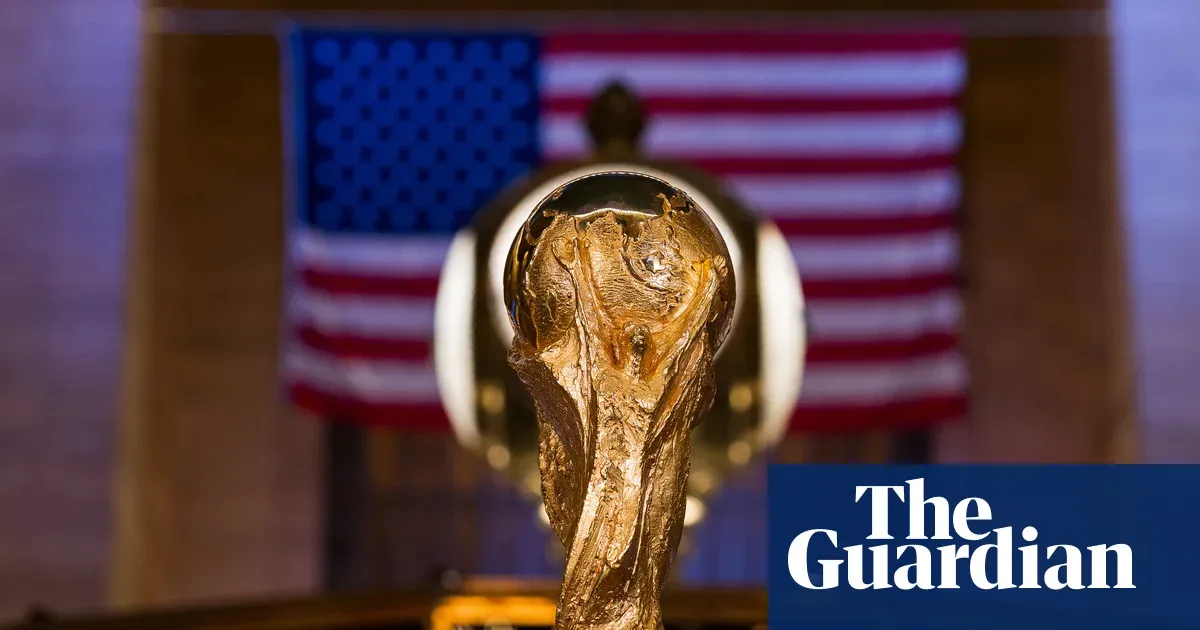
Gianni Infantino informed FIFA’s member associations on Saturday that FIFA will announce record $15bn (£11.2bn) revenues from this summer’s World Cup. The upside is likely already reshaping how FIFA, clubs, and ticketing partners think about pricing, monetization, and accountability.
Gianni Infantino moved fast on Saturday, telling FIFA’s member associations that FIFA will announce record $15bn (£11.2bn) revenues from this summer’s World Cup, significantly exceeding the targets set before the tournament. This is not a minor beat. It is a major forecast lift from the $11bn in earnings FIFA originally projected.
The market mechanics behind the surge are already pretty clear. Sources indicated that hospitality and ticketing, especially through the steeply priced secondary market, account for a significant amount of the increase. In other words, the revenue story is not only about selling primary tickets or building official experiences. It is also about what happens after the first wave, when demand outpaces supply and secondary trading turns into a profit engine.
To understand why this matters for executives, zoom out to incentives. FIFA takes 15% from the buyer and another 15% from the seller on the secondary market. That structure means FIFA’s upside can scale with trading intensity and with how high prices run on the resale market, even if the original ticket sale numbers do not fully explain the final tally. When secondary prices get steep, FIFA is positioned to capture a slice on both sides of the transaction.
This is also why the hospitality and ticketing combination is so important. Hospitality packages typically sit at the intersection of premium access and scarcity. When a tournament like the World Cup generates massive global demand, hospitality can act like an accelerant for revenue. Pair that with resale markets that price in urgency and status, and the total monetization picture can move faster than planners expect.
There is a board-level angle here too. FIFA’s member associations were informed of the boost in income by Infantino, signaling that the internal narrative is shifting from “we met targets” to “we blew past targets.” Even if the details still need to land in formal reporting, the practical effect is immediate: members will anticipate larger distributions, more room for initiatives, and more leverage in the next bargaining cycle. In sports governance, money has a way of turning into agenda control.
Regulatory and policy context also lurks in the background. Secondary ticketing sits in a constant tension zone across many jurisdictions, where consumer protection, transparency, and anti-scalping frameworks try to limit harm from inflated resale prices. The source does not describe regulatory changes tied to this World Cup, but the mechanics it highlights, FIFA taking 15% from both buyer and seller on secondary trading, can raise questions about how revenue sharing aligns with public expectations about fair access.
For decision-makers outside FIFA, the lesson is less about football and more about platform economics. Secondary markets are often where the real willingness to pay becomes visible. When an organizer has a revenue take rate tied directly to secondary volume and pricing, it changes what the organization cares about. It is not just about ticket sell-through. It becomes about managing demand signals, shaping the liquidity environment, and aligning incentives so that monetization does not collide with consumer backlash.
Second-order implications for similar executives are also worth noting. If sources are correct that steeply priced resale and hospitality are responsible for a significant portion of the increase, then future tournaments and events may face stronger pressure to optimize premium offerings and tolerate, or even accommodate, the conditions that drive secondary pricing. That can affect everything from supply strategy to partner contracts to how official distribution channels position themselves.
The strategic stakes are straightforward: hitting record revenues does not merely pad a balance sheet. It can strengthen leadership positions, improve negotiating power, and set expectations that are harder to meet next time. With FIFA projected to have originally aimed for $11bn earnings and now preparing to announce $15bn, member associations will likely view the tournament as a playbook for monetization. For executives at ticketing, hospitality, and event governance organizations, the question is whether they can replicate the model, whether regulators will scrutinize the incentives, and whether consumers will tolerate the price dynamics that made the numbers possible in the first place.
This story's Key Insights and Take-aways are locked.
Create a free account to unlock Executive Actions for one credit.
Register to UnlockAlways free for Executives Club members. Join the Club
More in Business

Uber buys Delivery Hero for nearly $15B, vaulting to top food delivery outside China
The deal doubles Uber's dual-services footprint and pushes a ride-and-eats bundling play into 50 more markets.

Epic and Google drop settlement bid, forcing rival Android app stores by July 22
Google told the court it is ready to carry third-party app stores starting Wednesday, July 22.
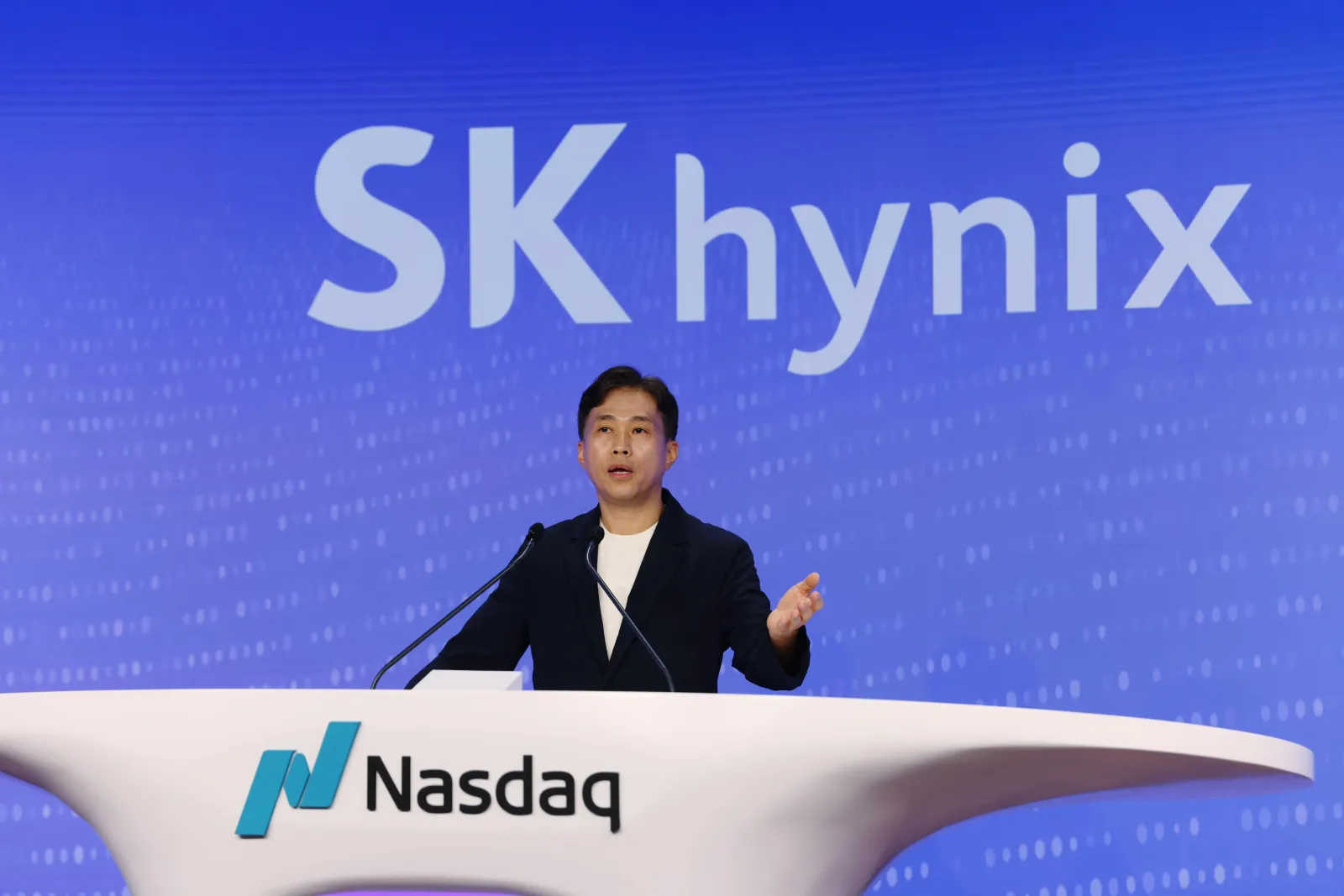
SK Hynix opens at $170, raises $26.5B, and tops foreign IPO records
In Friday's Wall Street debut, SK Hynix turns AI RAM demand into a $26.5B fundraising moment that rewrites comps.