
GM installs 50 FANUC robot arms at Factory Zero while 1,300 autoworkers stay laid off
A Detroit automation push is colliding with UAW claims that “temporary” layoffs have turned into indefinite ones.
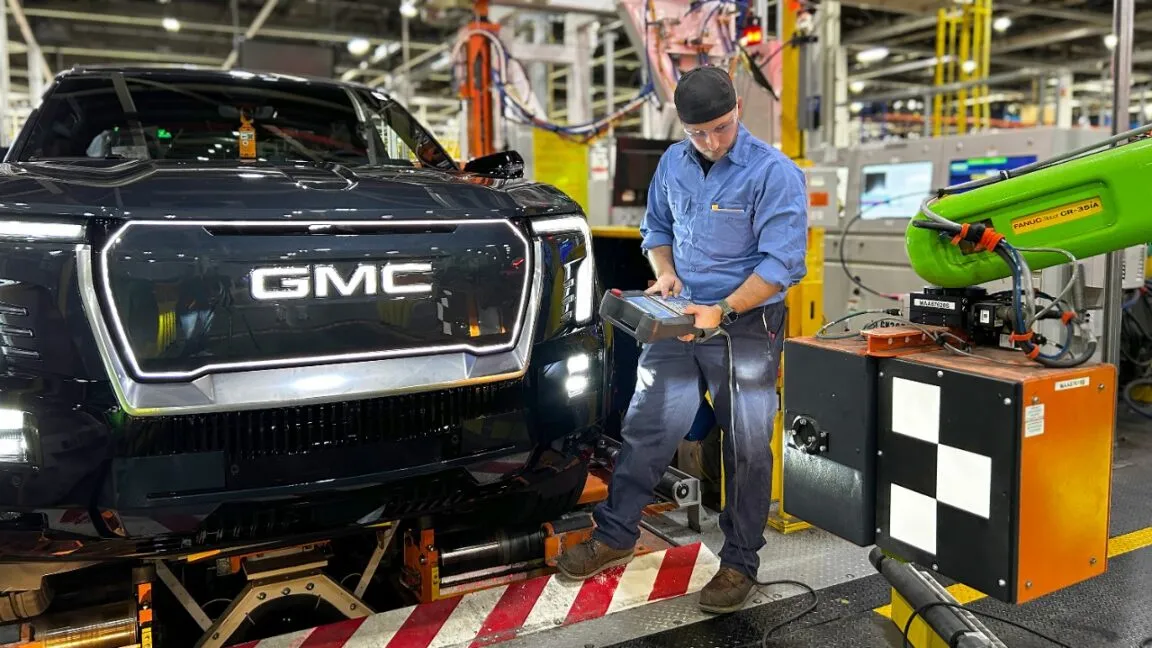
General Motors installed about 50 FANUC robot arms at its Factory Zero electric vehicle plant in Detroit, even as 1,300 workers remain out of work after a layoff described as temporary. For executives and boards, the case is a live stress test of labor trust, plant economics, and how quickly automation can outpace political cover.
General Motors put roughly 50 robot arms inside its Factory Zero electric vehicle plant in Detroit, using FANUC-made automation to help attach components along the assembly line. The move lands in the middle of a separate, unresolved story: in March, GM laid off 1,300 workers with the situation described as temporary, and UAW leaders say more than 1,000 members are still “laid off indefinitely.”
This is why the optics are combustible for GM. The United Auto Workers (UAW) reacted with anger to the new robotic presence because the company has not called back any of the workers affected by the allegedly temporary layoffs. James Cotton, president of UAW Local 22, told The Detroit News that more than 1,000 union members are still “laid off indefinitely,” and he argued GM could bring some of those members back instead of installing the 50 robots.
The technical detail matters here, because it tells you what GM is optimizing for. According to reporting by Crain’s Detroit Business, the robots are designed to attach various components to vehicles during the assembly line process. Automation like this usually aims to tighten cycle times, improve consistency, and reduce the friction that comes with manual variation. In plain terms, GM is spending money to make the line run in a more standardized way. But for a workforce, the message reads differently: even if the robots are not meant to replace every task, they can still signal that labor capacity planning has moved on faster than the company’s promise to wait.
That gap between engineering intent and worker reality is where labor risk turns into business risk. UAW is not a niche stakeholder in U.S. auto. It is “the primary US union for autoworkers,” and its posture can shape negotiations, political pressure, and strike threats. Even before you get to any hypothetical future labor actions, the union’s current argument reframes the narrative for the public and for regulators: layoffs were supposedly a stopgap, yet automation is arriving anyway.
There is also a market context underneath the drama. Automakers are under persistent pressure to scale electric vehicle production while managing cost per unit. Robot investment can look rational on a spreadsheet, especially at a “flagship” EV factory like Factory Zero, where leadership likely wants to prove manufacturing competence. But automation-heavy capex tends to be most sensitive to timing. If you install automation before you have stabilized staffing and production ramp plans, or before you have credible recall paths for laid-off workers, you invite a trust crisis.
Regulatory and political dynamics add another layer. While the source does not cite a specific new regulation or formal complaint, the U.S. labor and political environment around automation has long been a high-scrutiny area. When layoffs are described as temporary and then stretch into “indefinitely,” the story stops being only about factory staffing. It becomes a question of corporate commitments, transparency, and whether cost-cutting is being packaged as short-term logistics.
For executives and boards, the second-order implication is simple but uncomfortable: a plant’s automation trajectory can become the public scoreboard for labor strategy. Here, GM’s decision to install FANUC robots at the Detroit plant while UAW Local 22 says workers are still out compounds the conflict. It also creates a framing problem. Even if GM later recalls some workers or adjusts staffing plans, critics can point to the sequence, not just the outcome. When stakeholders see robots arrive before recall happens, they assume the order reflects priorities.
Peers should take note because the underlying incentives show up across the industry. EV factories are expensive. They have fixed schedules, quality targets, and ramp timelines that push companies toward automation. But if labor agreements, workforce commitments, and public narratives are not aligned with that reality, the cost of capital decisions rises, not falls. In the near term, GM is managing a workforce dispute. In the longer term, it is also managing credibility, which is often harder to repair than a production schedule.
This story's Key Insights and Take-aways are locked.
Create a free account to unlock Executive Actions for one credit.
Register to UnlockAlways free for Executives Club members. Join the Club
More in Business

A flaw in PHP just forced governments to pull their own sites offline
European agencies from Belgium to Germany took websites dark to patch a critical weakness in the language behind almost 70% of the web, and the blast radius extends far beyond government portals.

BioWare shuts down, Mass Effect 5 dead after $55B EA buyout
The legendary RPG studio's closure lands months after a $55 billion investment group buyout of EA, raising tough questions for gaming's biggest acquirers.
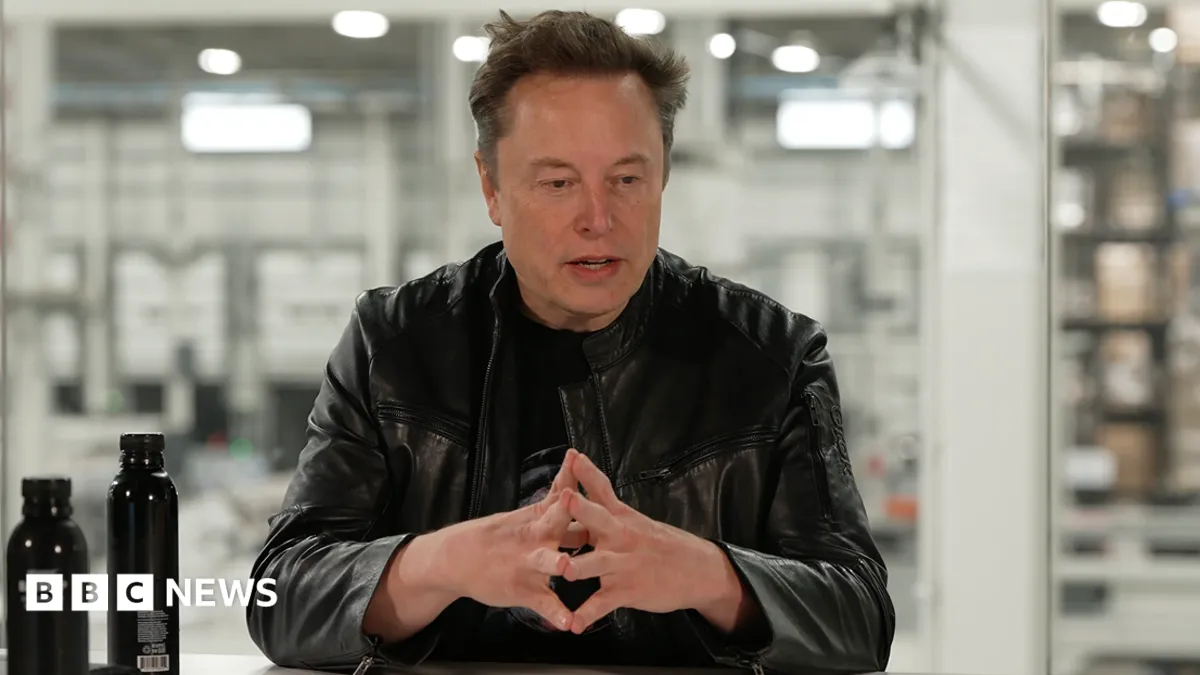
Musk weighs Tesla-SpaceX mega-merger as boards form review panels
Special committees at both companies will examine a tie-up that could fuse electric vehicles and space launch, forcing a fresh look at governance and valuation.