
Goblin Storm’s Dakota Cates art returns on Kickstarter after Secret Lair sold out
The goblin Commander deck art that vanished in May is back as playmats, sleeves, and a deck box for backers.
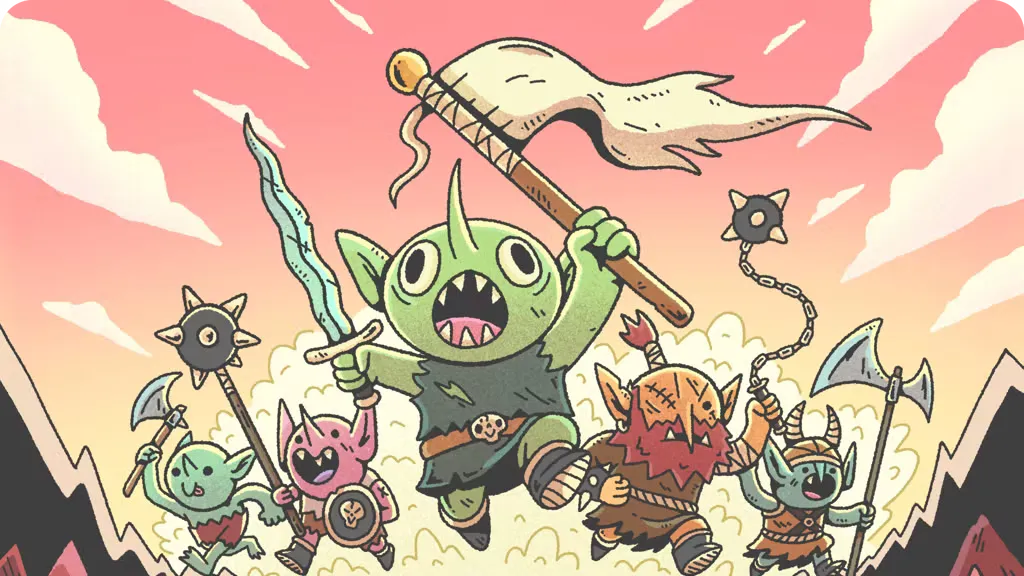
Wizards of the Coast’s Magic: The Gathering Secret Lair drop, Goblin Storm, featured art by Dakota Cates, aka Wizard of Barge, but sold out immediately. Now Cates' Goblin Storm artwork is available on Kickstarter as game accessories, giving fans a second shot at the product.
In May of this year, Wizards of the Coast released a Magic: The Gathering Secret Lair drop called Goblin Storm, built around a goblin Commander deck and illustrated by Dakota Cates, also known as Wizard of Barge. It sold out immediately, and that speed created an instant feedback loop: fans who missed the drop flooded back channels with disappointment while Cates' many supporters watched their only purchase window close.
Now the same creative package is back in a new format. According to the Polygon report, Goblin Storm's controversial Secret Lair art has become available on Kickstarter, not as a limited Secret Lair shipment, but as physical accessories built around the same aesthetic. Backers can pick up playmats, sleeves, and a deck box that is, in Polygon's words, very goblin-coded. For the people who were locked out in May, the change is simple but meaningful: this time, the art is paired with products you can actually buy through a platform designed for ongoing fulfillment rather than a one-and-done retail-like release.
This matters in the way executives in consumer and IP-driven businesses always notice: distribution design is demand capture. Secret Lair drops are famously scarce by structure, which is part of the appeal and part of the problem. When a product like Goblin Storm sells out immediately, the market learns one thing quickly, customers included: if you want the art, you need to move at launch or lose the chance. Kickstarter flips that script. It turns “launch day or nothing” into “ongoing campaign with a clear purchasing path,” which can reduce customer frustration even when the underlying demand is just as real.
There is also a creative incentive angle. Dakota Cates is described as a “popular artist and goblin fanatic,” which signals that this is not generic licensing. When a creator-driven artwork headline sells out through Wizards of the Coast’s channel, the creator benefits from the visibility and fandom attention. Making the art available again, now through accessories that directly touch gameplay, extends that visibility into daily use. Playmats, sleeves, and deck boxes are not just merch. They are visible during games, traded between players, and they sit on desks like a kind of micro-branding. That means the art’s lifecycle can continue well past the original drop's sell-out date.
On the “controversial” part, it is worth noting why the word shows up in coverage like this. In IP-heavy worlds like Magic: The Gathering, artists, aesthetics, and community norms can collide. The source does not specify the details of what made the Secret Lair controversial, so this briefing cannot invent them. But from a business standpoint, controversy often functions like a distribution amplifier: it draws attention, which can drive sell-through, and it can also harden demand in the groups that feel either targeted or ignored. The second-order effect for boards and operators is that limited supply combined with controversy can create a volatile customer sentiment profile. Some customers feel excluded. Others feel validated. Either way, the backlash can outlive the initial product.
That is exactly the kind of situation where Kickstarter can be strategically attractive. It is not a magic wand, but it is an alternative supply mechanism. Instead of relying on a single drop window, it creates a new funnel for the same audience: people who missed out can still participate, and the creator can reach supporters who are willing to back a campaign for physical goods. In consumer platforms, second chances are valuable because they convert “lost customers” into “delayed customers,” which is often cheaper than trying to generate entirely new demand.
For decision-makers watching the broader collectible market, this is also a signal about how IP owners and creators might think about monetizing fan demand without locking it into one calendar moment. Even when Wizards of the Coast controls the Magic brand and the original Secret Lair release, the ecosystem around it can be extended. Accessories like sleeves and deck boxes are durable categories in trading card communities because they are constantly used, replaceable, and easy to integrate into gameplay. Once a piece of art becomes a fan favorite, those categories offer a path to keep capturing value.
Strategically, the stakes for peers are straightforward. If you are an executive in gaming, collectibles, or creator-led merchandise, you should treat this as a case study in how supply timing, channel choice, and product format reshape customer outcomes. Goblin Storm is the same recognizable art and theme, but the purchase experience changes. The question for boards is not just whether the art sells. It is whether your distribution model gives fans a fair shot at buying again after a sell-out, or whether it permanently turns enthusiasm into churn. In this case, Kickstarter is giving fans the second opening they missed in May, and it is doing so with items that keep the art visible at the table.
This story's Key Insights and Take-aways are locked.
Create a free account to unlock Executive Actions for one credit.
Register to UnlockAlways free for Executives Club members. Join the Club
More in Entertainment

12TB Steam 'teraleak' goes beyond Valve: GTA 3, Mafia 2 prototypes exposed
A 12-terabyte dump of Steam data reveals prototypes and builds of third-party classics like GTA 3 and Mafia 2, plus unreleased Valve content, rewriting game history.

LinkedIn's romance problem: 1 in 4 workers say dating on it is fair game
A new survey shows a quarter of U.S. employees treat the professional network as fair game for romance, even as LinkedIn bans it and removes hundreds of thousands of offending posts.

Enhypen's first No. 1 album breaks K-pop's Billboard 200 streak
The K-pop group's 98,000-unit debut tops the chart while Dolly Parton's catalog reentry shows how death reshapes streaming.