

God of War Laufey pivot sparks backlash from original creator David Jaffe
Sony Santa Monica's decision to replace Kratos with Faye has ignited a fierce debate over brand identity and gameplay evolution.
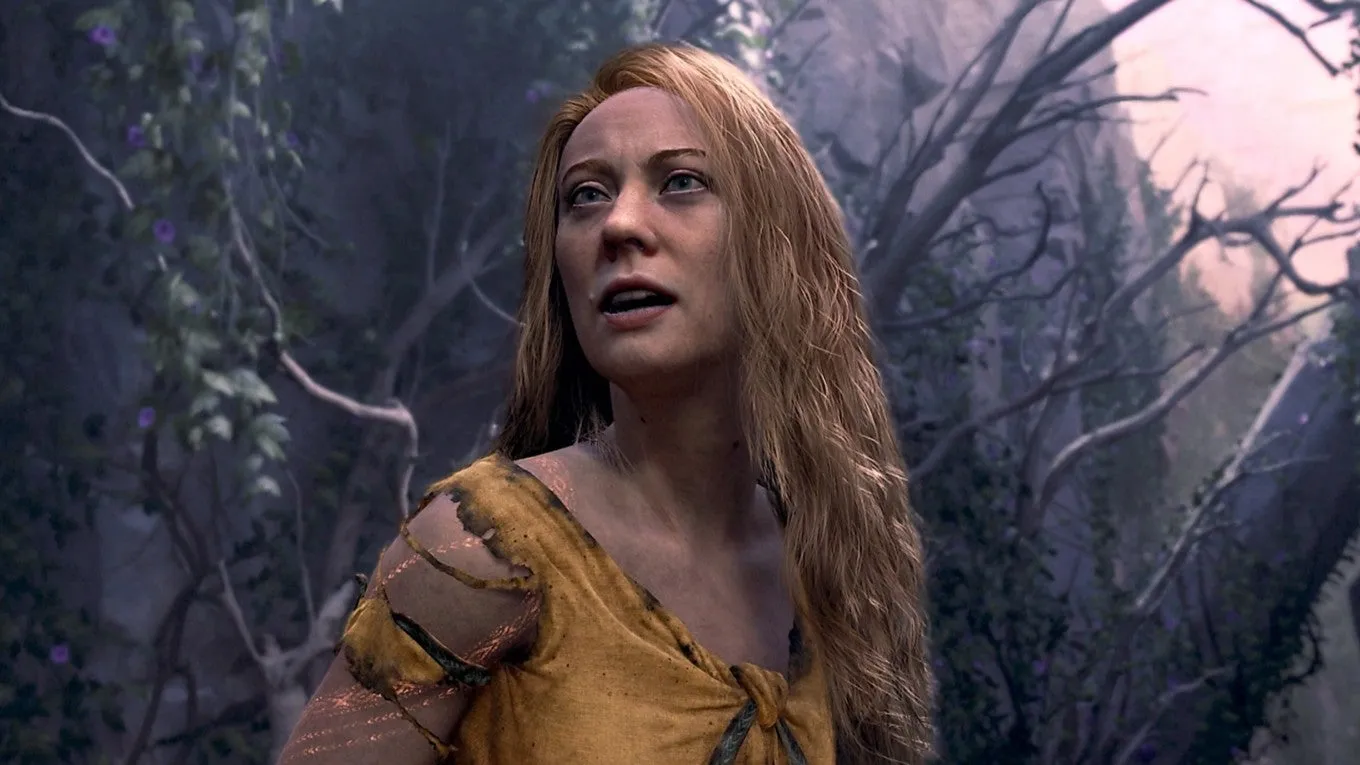
Sony Santa Monica has unveiled God of War Laufey, a new PlayStation 5 exclusive that shifts the franchise focus from Kratos to Faye. The announcement has triggered a polarized reaction from industry veterans and fans alike, questioning the studio's strategic direction.
Sony Santa Monica has officially pivoted its most valuable IP, announcing God of War Laufey as the next entry in the legendary franchise. While leaks months ago hinted at a shift away from the series' central icon, Kratos, the 20-minute gameplay reveal during Sony's State of Play has ignited a firestorm of criticism and praise. The decision to center the narrative on Faye, rather than the Greek god who defined the series, represents a massive gamble on brand evolution that has left even the franchise's original creators divided.
David Jaffe, one of the original creators of God of War, did not hold back his disapproval during a recent YouTube livestream. Jaffe characterized the reveal as uninspired and dull, suggesting the game lacks the visceral violence and identifiable mythology that built the brand. He argued that by removing Kratos and the core elements of the original series, the studio has essentially moved away from the God of War identity entirely. Jaffe even speculated on the project's scale, questioning if it is a smaller, $80 million endeavor rather than a massive $400 million blockbuster, noting that the game feels more like a generic fantasy story than a continuation of a powerhouse franchise.
However, the reaction is far from a monolith. While Jaffe and some long-time fans expressed fatigue with the existing formula, a significant portion of the community is embracing the change. Some players argued that the new combat mechanics actually feel like a more natural evolution of the original trilogy's style compared to the 2018 and Ragnarok entries. There is also notable support for the decision to set the game in a parallel timeline rather than a traditional prequel. By positioning the story as Faye fighting through the afterlife, the studio is attempting to expand the lore without the creative constraints of a strictly chronological history.
One of the most polarizing elements of the reveal is the introduction of Phranque, a gelatinous companion cube voiced by The Boys star Jack Quaid. The character has already become a lightning rod for debate. While some players are excited to have a high-profile voice actor providing character depth, others expressed skepticism about the character's design and whether a 'Jell-O cube' fits the established tone of the series. This tension highlights the difficulty of introducing new, whimsical elements into a franchise that has historically been defined by grit and high-stakes mythological conflict.
Beyond the character drama, the gameplay itself faced scrutiny during the technical demonstration. Some viewers criticized the 20-minute sequence for being overly scripted, noting that much of the progression seemed to rely on repetitive button presses, specifically the R2 trigger, to advance cutscenes. There were also technical observations regarding combat feedback, with some users noting that the character did not appear to react or lose health during specific boss encounters. For a studio of Santa Monica's caliber, these perceived lapses in polish during a major showcase can create immediate friction with a highly observant player base.
Strategically, Sony Santa Monica is navigating a classic brand dilemma: how to evolve a legacy IP without alienating the core audience that built its value. The shift from Kratos to Faye is a high-stakes attempt to prevent the franchise from running out of gas, a sentiment some fans expressed regarding the Ragnarok era. By diversifying the protagonist and the narrative scope, the studio is betting that the 'God of War' brand is strong enough to survive a fundamental change in its central pillar. The success or failure of Laufey will likely serve as a blueprint for how major publishers manage the transition of aging, hyper-successful franchises into new eras.
This story's Key Insights and Take-aways are locked.
Create a free account to unlock Executive Actions for one credit.
Register to UnlockAlways free for Executives Club members. Join the Club
More in Entertainment

Christopher Nolan’s “The Odyssey” posts his biggest Tuesday haul, surpassing “The Dark Knight’s” record
The film’s Tuesday breakout reframes Nolan’s box-office ceiling and forces competitors to rethink timing, budgets, and release strategy.

Kacey Musgraves cancels Aug. 20, 29, Sept. 2 Middle of Nowhere shows
Ticketmaster emails are telling fans refunds are coming, while the tour still starts Aug. 21 in Chicago.

Billie Joe Armstrong launches Epiphone Les Paul Junior and Marshall 1959BJA signature gear
Two limited releases turn decades of Green Day’s tone into branded hardware, including Marshall’s first artist amp in 14 years.