
Goldman Sachs lands $70B in retirement deals with Verizon and Lockheed Martin
The asset manager just won major mandates in retirement plans, underscoring why the race for retirement assets is getting brutal.

Goldman Sachs won $70 billion in asset management deals tied to retirement arrangements with Verizon and Lockheed Martin. For decision-makers, it signals how intensifying competition among big managers is shaping who gets the next wave of long-term client money.
Goldman Sachs is winning big in the market for retirement assets, pulling in $70 billion in asset management deals with Verizon and Lockheed Martin. For anyone who cares about where long-term capital goes, that headline number matters because retirement money is the kind of money that sticks around. It can influence product demand, fee structures, and even how asset managers structure their retirement platforms for corporate plan sponsors.
This is not a sleepy, slow-moving corner of finance. Competition in the multitrillion-dollar market for retirement assets is fierce among major managers such as Goldman Sachs, BlackRock, Russell Investments and Mercer. When Goldman locks in mandates like these, it is essentially claiming a seat at the table where plan participants, plan sponsors, and internal governance teams spend months arguing about glide paths, fees, and performance expectations.
To understand why $70 billion is a big deal, zoom out to how retirement asset management typically works. Large corporate sponsors such as Verizon and Lockheed Martin usually manage retirement plan assets through a mix of investment options and managers, often via structured mandates or program arrangements. Over time, these arrangements can become sticky because changing them means operational work, governance review, and a lot of stakeholders asking hard questions. That stickiness is exactly why managers compete so aggressively. If you win once, you do not just gain assets today, you potentially shape outcomes and flows for years.
But the competition here is not just about marketing. It is also about incentives. Asset managers are competing for scale because scale can support broader distribution of investment products, more data and analytics, and the economics that come with managing large pools of assets. In a multitrillion-dollar market, even small percentage changes in where new or rebalanced retirement allocations go can translate into enormous dollars. So when one firm wins a deal with a major sponsor, the rest of the industry is forced to reassess how they position their offerings.
Another layer is governance and the paperwork reality inside big companies. Large plan sponsors have boards and committees charged with evaluating investment management. That process tends to favor managers who can demonstrate process discipline, reporting quality, and alignment with the plan's objectives. In practice, that means executives and committees are not only comparing returns. They are comparing the whole service bundle: implementation, oversight, and how the manager supports the sponsor's ongoing monitoring obligations.
There is also an industry-wide regulatory and scrutiny backdrop that makes retirement asset decisions more consequential. Retirement plans are subject to oversight frameworks designed to protect plan participants. That can increase the cost of mistakes and raise the importance of defensible investment processes. As a result, mandates are not awarded casually. For Goldman to win $70 billion in asset management deals, it had to stand out to plan decision-makers in a market where competitors like BlackRock, Russell Investments and Mercer are also actively pursuing similar opportunities.
If you are a peer executive or board member at another plan sponsor, the strategic implication is straightforward: competition is not waiting for you to catch up. Winning mandates do not just reward the winning manager, they reshape the competitive landscape for the next bidding cycle. That can affect how your internal stakeholders evaluate options, how much negotiating leverage the current managers have, and how quickly you need to pressure-test whether your plan's investment management approach still fits the objective.
And if you are on the asset manager side, the lesson is even sharper. Retirement assets are a multitrillion-dollar prize, and the firms competing in it are not playing for second place. A $70 billion win with recognizable corporate names like Verizon and Lockheed Martin is the kind of moment that drives follow-on wins, strengthens internal conviction about strategy, and raises the bar for everyone else. In a market this big and this contested, deal wins are not just news. They are momentum.
This story's Key Insights and Take-aways are locked.
Create a free account to unlock Executive Actions for one credit.
Register to UnlockAlways free for Executives Club members. Join the Club
More in Business

AstraZeneca $27B wipeout as Wainua late trial misses cardiovascular target
A failed late-stage heart study triggered a swift market punishment, forcing investors and boards to reset timelines and risk.
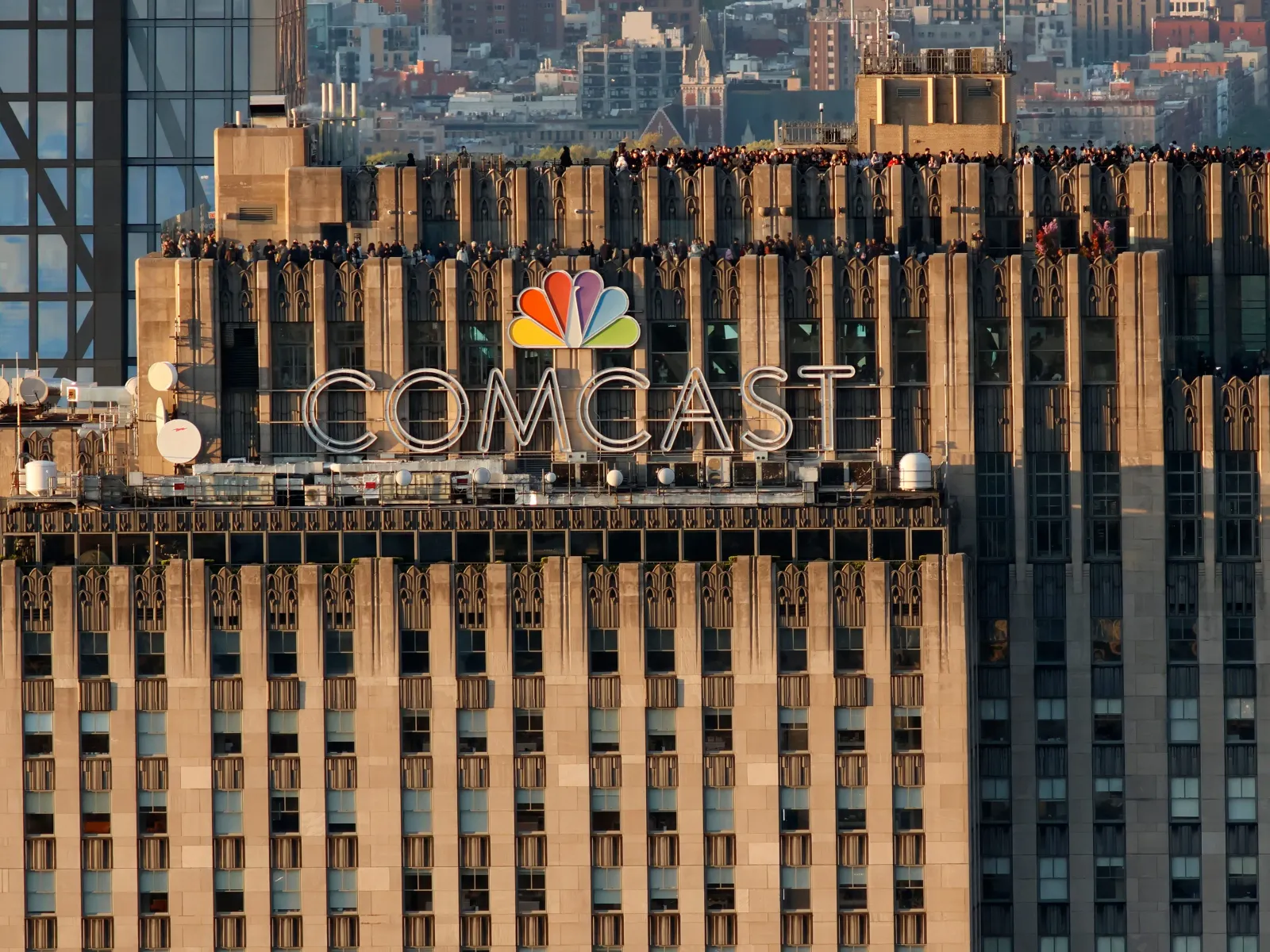
Comcast shares jump 25% as it plans to split NBCUniversal and Sky
The tax-free spin-off could reshape focus, funding, and competition across media and tech for years.

Bungie cuts most Destiny 2 staff as Sony says Marathon still matters
Herman Hulst confirms layoffs affecting most Destiny and some Marathon teams after Bungie admits Destiny fell short.