

Google closes $1.5B-plus talent deal, lands Mechanize ex-CEO at DeepMind
Google's latest AI talent grab brings Tamay Besiroglu and a dozen-plus engineers into DeepMind's midtraining push, a direct answer to its coding gap.
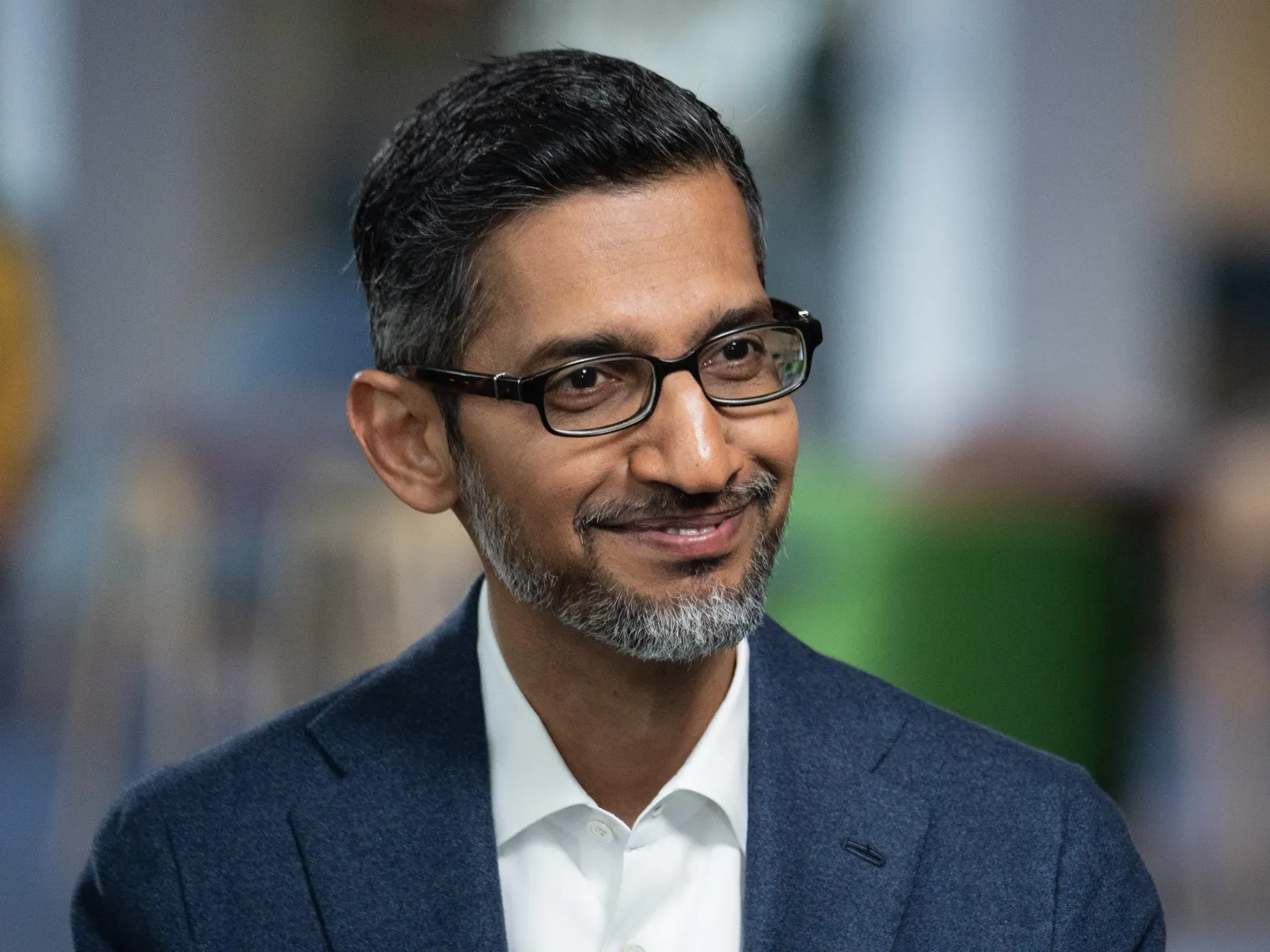
Google has completed its talent deal with AI startup Mechanize, bringing co-founder and ex-CEO Tamay Besiroglu and over a dozen employees into DeepMind. The $1.5B-plus transaction, whose final terms were undisclosed, signals Google's urgency to close its coding and model-quality gap.
Google has completed its talent deal with San Francisco AI startup Mechanize, a transaction that sources previously told Business Insider was valued at $1.5 billion or more. The final terms were not disclosed, but the outcome is now visible on LinkedIn: Mechanize co-founder and ex-CEO Tamay Besiroglu is listed as a research scientist at Google's DeepMind division, and over a dozen former Mechanize employees have joined Google, mostly on the company's "midtraining" efforts - a key part of building a competitive chatbot. Google and Besiroglu declined to comment.
The deal's structure is notable. Rather than a traditional acquisition, Google used a talent deal, which typically avoids the antitrust scrutiny that a fully fledged acquisition would attract. Mechanize's former chief of staff, Guive Assadi, now describes himself as its CEO on LinkedIn, suggesting the startup's operating entity remains separate even as its core team moves to Google. That arrangement lets Google absorb AI talent quickly while leaving a shell company behind - a pattern it has used before.
Google has been struggling to release an AI model that is widely viewed as competitive, and coding is one of its most visible weak spots. Mechanize's technology helps tech companies' AI models improve at coding, a challenge Google has wrestled with as rivals like OpenAI and Anthropic push ahead. By folding Mechanize's team into DeepMind's midtraining efforts, Google is effectively buying the expertise to make its models better at writing and debugging software - a capability that underpins everything from developer tools to agentic coding assistants.
Mechanize launched last year with an audacious mission: automating every job in the world. That ambition attracted capital early. The startup said earlier this year that it raised $9.1 million in a funding round at a $500 million valuation. Besiroglu previously co-founded Epoch AI, a research organization focused on testing and evaluating AI models, which gives him a background in model benchmarking that is directly relevant to DeepMind's work.
The deal also fits a broader pattern at Google. Last year, the company snapped up the talent of AI coding startup Windsurf, with former CEO Varun Mohan now leading Google's agentic coding program Antigravity. These talent deals let Google acquire teams and technology without the regulatory review that comes with a merger, even when the price tag reaches nine or ten figures. For a company under intense antitrust scrutiny, that workaround is increasingly attractive.
For executives watching the AI race, the Mechanize deal is a reminder that the most valuable assets in AI are not just models or data, but people who know how to train them. Midtraining - the phase between pretraining and fine-tuning - is where models learn to follow instructions, reason, and code effectively. Google's decision to staff that function with a dozen-plus Mechanize engineers suggests it sees the startup's approach as a missing piece of its own pipeline.
The strategic stakes extend beyond Google. Every major AI lab is competing for a small pool of researchers who have experience with cutting-edge training techniques. Talent deals like this one allow deep-pocketed incumbents to move faster than traditional hiring, and they create a new kind of M&A that regulators are still learning to evaluate. For startups, the message is clear: building a small, high-impact team can be worth hundreds of millions to a tech giant, even without a product or revenue.
For boards and CEOs, the takeaway is to watch how talent deals reshape competitive dynamics. The Mechanize transaction shows that a startup's valuation can be justified by its team's potential impact, not just its current business. And for Google, the pressure is on: the company has the talent, the capital, and now the midtraining firepower. The next question is whether it can turn that into a model the market actually respects.
This story's Key Insights and Take-aways are locked.
Create a free account to unlock Executive Actions for one credit.
Register to UnlockAlways free for Executives Club members. Join the Club
More in Business

Paramount's Ellison: Merger Clearance Done, WBD Deal by Oct 1
David Ellison says the Paramount-WBD merger has full clearance after settling with state AGs, clearing the path for an October 1 close.
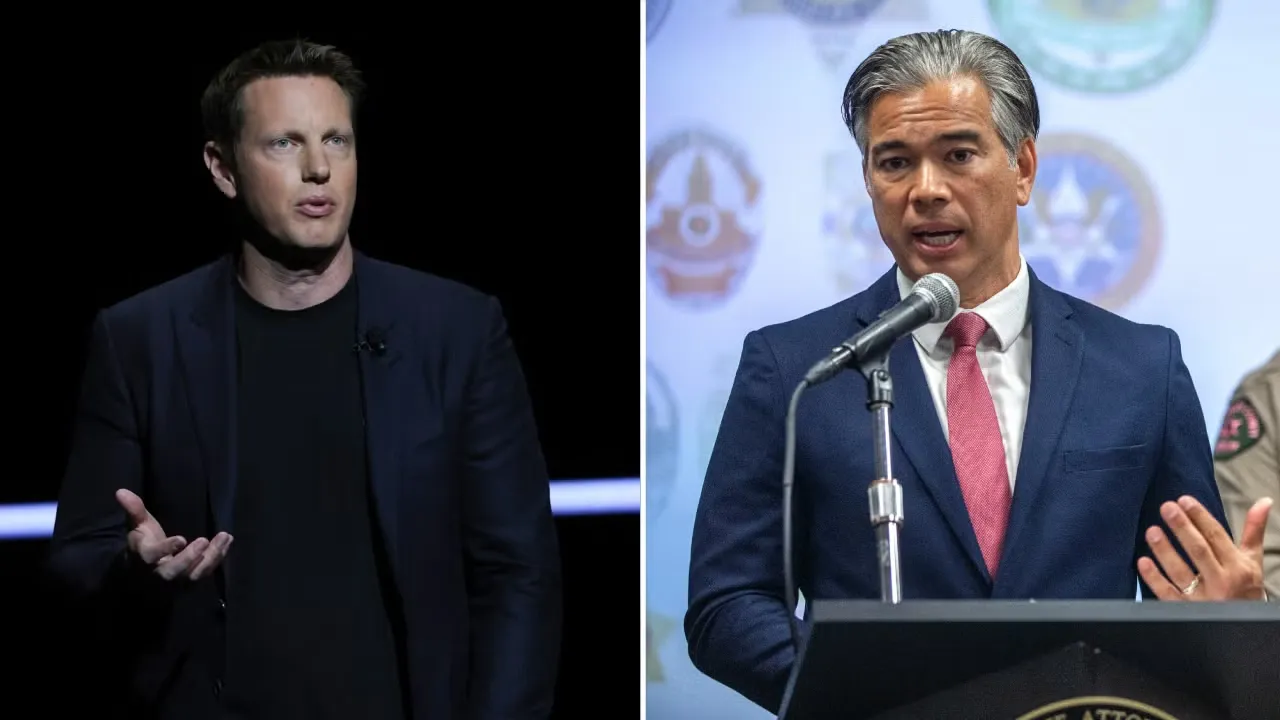
Paramount settles with 12 states, $110B Warner merger clears final hurdle
David Ellison's studio avoids a March trial and a $7M-a-day ticking fee by settling with state AGs over local job losses.
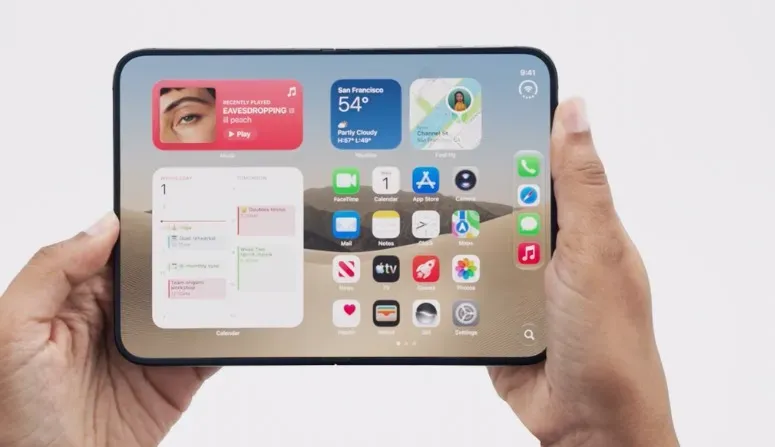
Apple unveils first foldable iPhone Duo with 7.6-inch display under new CEO Ternus
Apple's first foldable, the iPhone Duo, marks a major product bet for new CEO John Ternus, with a 7.6-inch unfolded screen.