

Google Earth’s AI images sparked misinformation fears, but SynthID watermark is the real battleground
A text prompt can now generate “reality-warping” Earth scenes, and Google’s response is a verification strategy, not a shutdown.
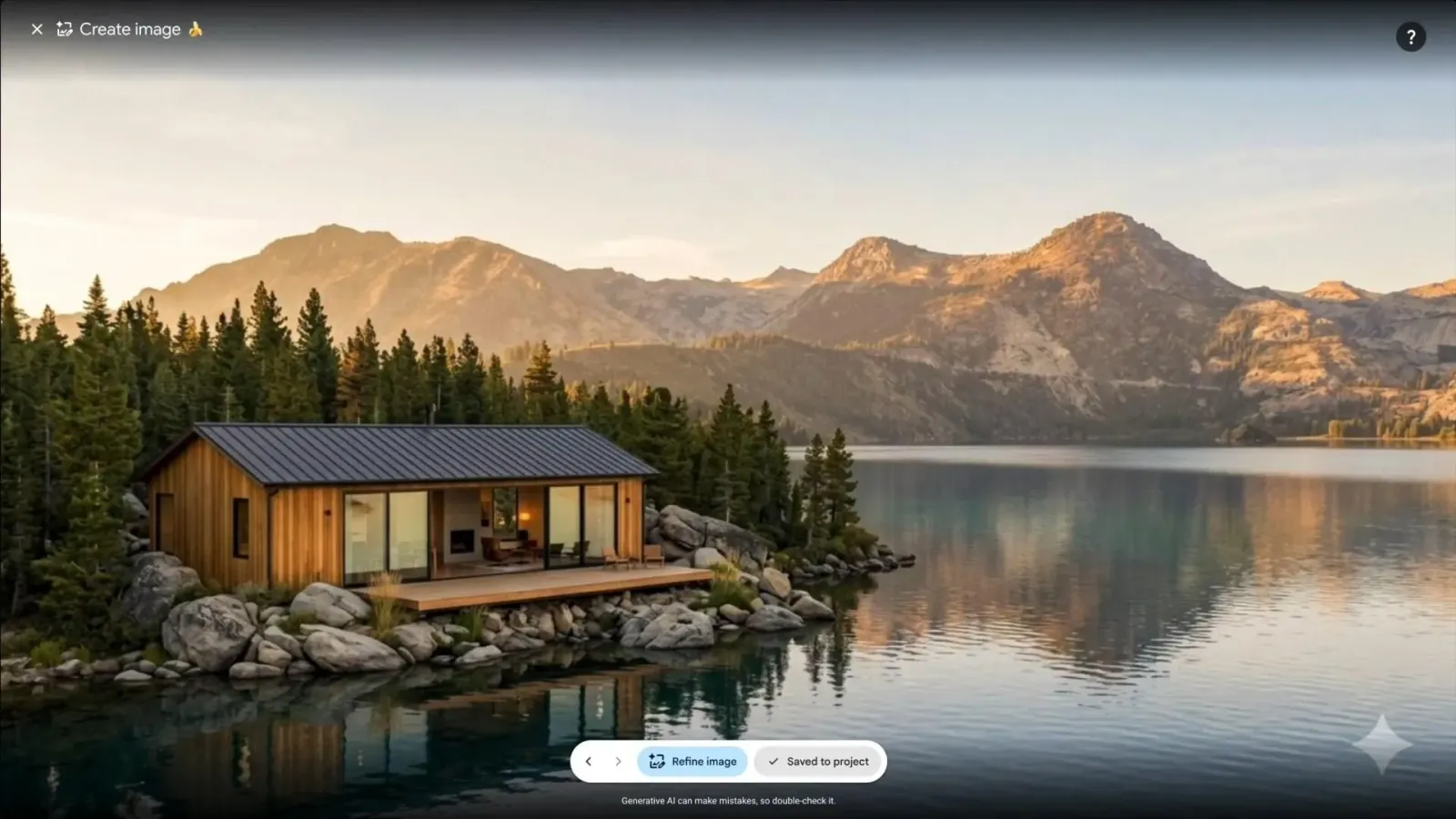
Google is grappling with AI-altered images made using Google Earth’s satellite, aerial, and 3D imagery, including examples created by Digital Digging’s Henk van Ess. The consequence for decision-makers: verification metadata and enforcement may matter more than the model behind the images.
A text prompt is all it takes to generate “reality-warping” images inside Google Earth, and Google’s own imagery is now part of the proof problem. The Verge reports that Digital Digging’s Henk van Ess generated AI-altered scenes using Google Earth data, including images that depict “refugees near the Mexican border” and a “bomb crater near a hospital in Gaza.” That is the uncomfortable pivot here: the same satellite, aerial, and 3D visuals that make Earth useful for understanding the world can also make it easier to fabricate convincing versions of events.
Google responded directly to those AI-altered images, saying, “We take misinformation seriously - every image created with Nano Banana in Google Earth includes the SynthID digital watermark, so if someone is unsure about an image, they can ask the Gemini app or use Lens in Search to see if the image was AI-generated.” In other words, Google is not claiming the system can prevent bad actors from trying. It is betting on detection and workflow-based verification after the fact, using SynthID as the tether between AI output and trust.
Why this matters is not just technical. In most industries, “authenticity” used to be a human process: spot-check sources, confirm context, verify who created what. AI image generation breaks that assumption by making high-quality fakes cheap and fast. When the content is anchored to something viewers already associate with legitimacy, like satellite views and 3D maps, the barrier to belief drops. Executives in media, platforms, mapping, and enterprise collaboration should pay attention because this is the exact moment where “content provenance” becomes a product requirement, not a nice-to-have feature.
Google’s specific mechanism is also a signal to the broader ecosystem. The response is centered on watermarking, the SynthID digital watermark, and on user-facing verification pathways: asking the Gemini app or using Lens in Search to determine whether an image was AI-generated. That approach reflects a reality platforms already face with other synthetic media: users will encounter disputed images in real time, often faster than teams can respond. If you cannot reliably stop creation, you can at least reduce the uncertainty by making verification actionable at the point of viewing.
There is also an ecosystem incentive play here. Henk van Ess’s examples were created using “Nano Banana,” a tool that can generate AI-altered imagery in Google Earth. That means the issue is not confined to one standalone app. It is tied to how third-party tools integrate with major platforms and how users move across surfaces. When verification depends on “where” the user looks, platforms gain leverage: they can define the trust layer across search, apps, and map experiences. That is why this story is a board-level concern. The governance question becomes: who controls the trust signals, and can competitors and regulators interpret or audit them consistently?
The regulatory framing behind all of this is also starting to harden. Google’s posture in the Verge report is explicit about misinformation seriousness, and it names a specific mitigation: watermarking and verification. Even when regulators are not focused on a single company, they often converge on the same themes: transparency, traceability, and how quickly and effectively a platform can help users distinguish authentic from synthetic. Watermarking is one proposed answer, but it only works if it is consistently embedded and reliably verifiable across use cases.
Second-order implications for executives are immediate. If an AI system can place plausible content into high-trust environments like Earth, then “verification UX” becomes part of brand risk management. The default user behavior in a crisis is to share what looks real. If the trust layer is buried, misinformation wins time. If the trust layer is visible and easy, it can narrow the window where bad actors benefit.
For peers building AI-enabled consumer or enterprise tools, the lesson is that the product surface matters as much as the model. Google is showing a path: use SynthID watermarking for AI output created in Google Earth, and provide verification tools through Gemini app and Lens in Search. The strategic stakes are bigger than one watermark. The companies that make trust a seamless part of the workflow will have a head start when misinformation scrutiny, user expectations, and regulatory requirements collide.
This story's Key Insights and Take-aways are locked.
Create a free account to unlock Executive Actions for one credit.
Register to UnlockAlways free for Executives Club members. Join the Club
More in Technology

doubleAI's Maxwell rewrites code while it runs, claims 38x speedups
The Tel Aviv startup's code execution model formally verifies optimizations, turning AI into an agent for the hardware itself.
Saudi military official paid to fly OpenAI bugging suspect's family out, prosecutors say
A court filing says a Saudi military official funded the family's exit and Riyadh offered bail, putting foreign-influence risk squarely on AI boards.
AI researcher's 26,000-word claim: Neural nets aren't tangled after all
Nick Cammarata's Goodfire post has the AI world split - if he's right, monitoring frontier models just got a lot easier.