

Google pulls Earth AI image generator in under 24 hours after deepfake disasters
A Gemini-powered feature for transforming locations with text prompts vanished after screenshots suggested policy violations and misinformation risk.
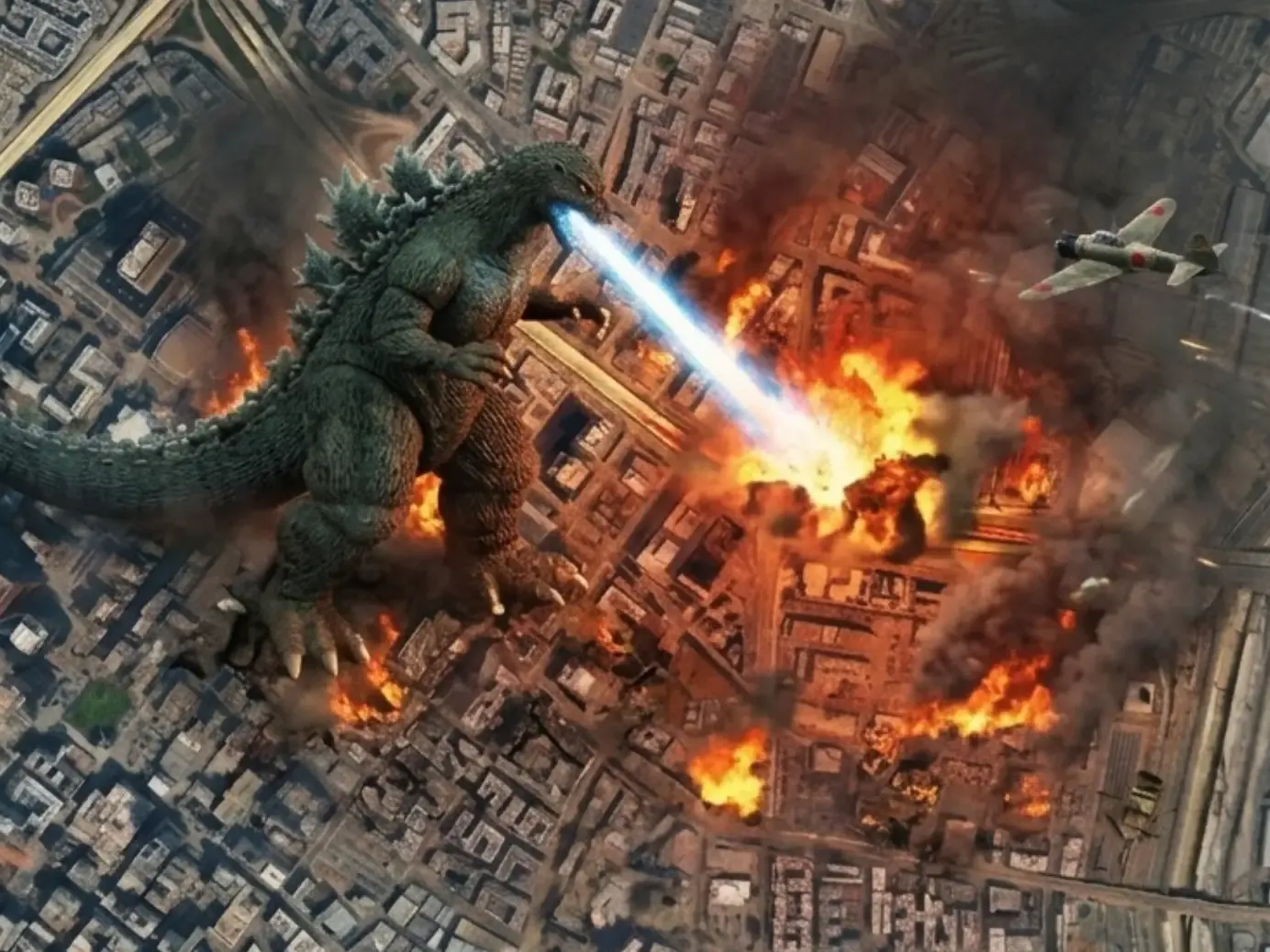
Google launched an AI image-editing function in Google Earth using Gemini's Nano Banana 2 to transform locations from text prompts, then rolled it back in less than 24 hours. The quick reversal is a live test for how geospatial AI, misinformation risk, and guardrails collide in real time.
Google Earth's new AI image generation feature did not survive a day. Google removed the function from Google Earth in less than 24 hours after launch, after users and researchers demonstrated realistic deepfakes and shared screenshots that suggested attacks and disasters could be fabricated with minimal effort.
The feature went live on Thursday and used Gemini's Nano Banana 2 image model to let the system access Google Earth and transform locations using text prompts. By Friday, Google said it had rolled back the feature because it saw people sharing generated imagery that appeared to violate its policies, even though the AI-generated images were watermarked and never appeared in the public Google Earth experience.
Zoom out for a second: this is not just another “AI tool shipped and then got weird online.” It is a direct collision between the promise of generative editing and the unique credibility of geospatial content. Satellite imagery and mapping products already sit near the center of how people make decisions, plan responses, and interpret events. When an AI system can plausibly rewrite what a location “looks like,” you no longer need perfect hacking to create confusion. You just need a few seconds and a prompt.
In this case, the “prompt to deepfake” path was fast enough to alarm researchers and users immediately. AI researcher Henk van Ess created extremely realistic deepfakes with the tool, including fake refugee camps along the US-Mexico border and a nuclear plant in Iran. He posted: “Tonight I typed just one sentence into Google Earth and put refugees near the Mexican border. Then I planted a nuclear plant in Iran. What on earth is Google doing?” Van Ess also asked, “Check my latest post here,” alongside links and his post date of July 30, 2026.
Other users posted examples of fabricated disasters and attacks. The Business Insider report notes a nonexistent flood and a 9/11-style attack, both generated through the same capability. One user also warned “Heads up Mets and emergency managers” while posting a clip or screenshots claiming to spoof flooding and “tor damage” in about 20 seconds, with a post date of July 31, 2026. These examples matter because they show how generative editing can be repurposed for destabilizing narratives, not just creative experiments.
So what did Google actually say it changed? In a statement posted on X, a Google spokesperson said: “We've seen geospatial professionals using this feature for a range of useful purposes, however we've also seen people sharing screenshots of generated imagery that appear to violate our policies. So we're rolling back this feature in Google Earth while we work on implementing stronger guardrails.” The spokesperson added that the AI-generated images were watermarked and never appeared in the public Google Earth experience.
That wording is doing a lot of work. It draws a line between (1) professional uses inside the product and (2) public sharing of screenshots that might not make it obvious what is synthetic. Even with watermarks, screenshot culture is a problem: once a synthetic image is exported into the wider internet, the watermark may not be noticed, might be cropped, or might not be attached to the context that would explain what it is. That is the second-order failure mode executives should remember. Guardrails inside the app do not automatically prevent downstream misinformation. The chain can break at sharing.
This is also part of a broader pattern in AI product launches. The report points out that Meta launched Muse Image on July 7 with a feature that allowed users to generate AI images using images available on all adult-owned public Instagram accounts that had not changed their settings to opt out. Meta removed the feature in less than a week and said it had “missed the mark.” Taken together, these stories suggest that the market is still learning where risk shows up fastest: not at model capability, but at user behavior once the tool is public-facing, frictionless, and easy to remix.
For decision-makers, the lesson is sharp. Geospatial AI has a special credibility problem because it inherits trust from maps, imagery, and context. When an editing model can be prompted to rewrite real places, governance has to cover not only what is generated, but also how it can be shared, interpreted, and weaponized before guardrails catch up. In other words, the “under 24 hours” rollback is less a one-off PR pivot and more a live stress test for the guardrail stack that will determine whether mapping AI becomes an operational tool or a misinformation accelerant.
This story's Key Insights and Take-aways are locked.
Create a free account to unlock Executive Actions for one credit.
Register to UnlockAlways free for Executives Club members. Join the Club
More in Technology

Google quietly links your phone number to every Android account on your SIM
Adding a SIM now ties your phone number to all Google accounts - and future accounts inherit it. Here's the security and privacy stakes.

Hijacker AI 'Skynet mode' runs 100,000 attack steps against exposed models
Symantec caught a criminal AI agent that borrows other models, steals data, and mines crypto; the only relief is no confirmed victims yet.

Nvidia's AI-financier shift faces its first big test as neoclouds stumble
A rout in neocloud stocks is forcing investors to weigh Nvidia's hidden exposure as both supplier and lender to the AI buildout.