

Google's AI Satellite Launch: The First Step to Space Data Centers
Google's orbital AI experiment could rewrite the economics of cloud computing and push the industry toward space-based data centers.
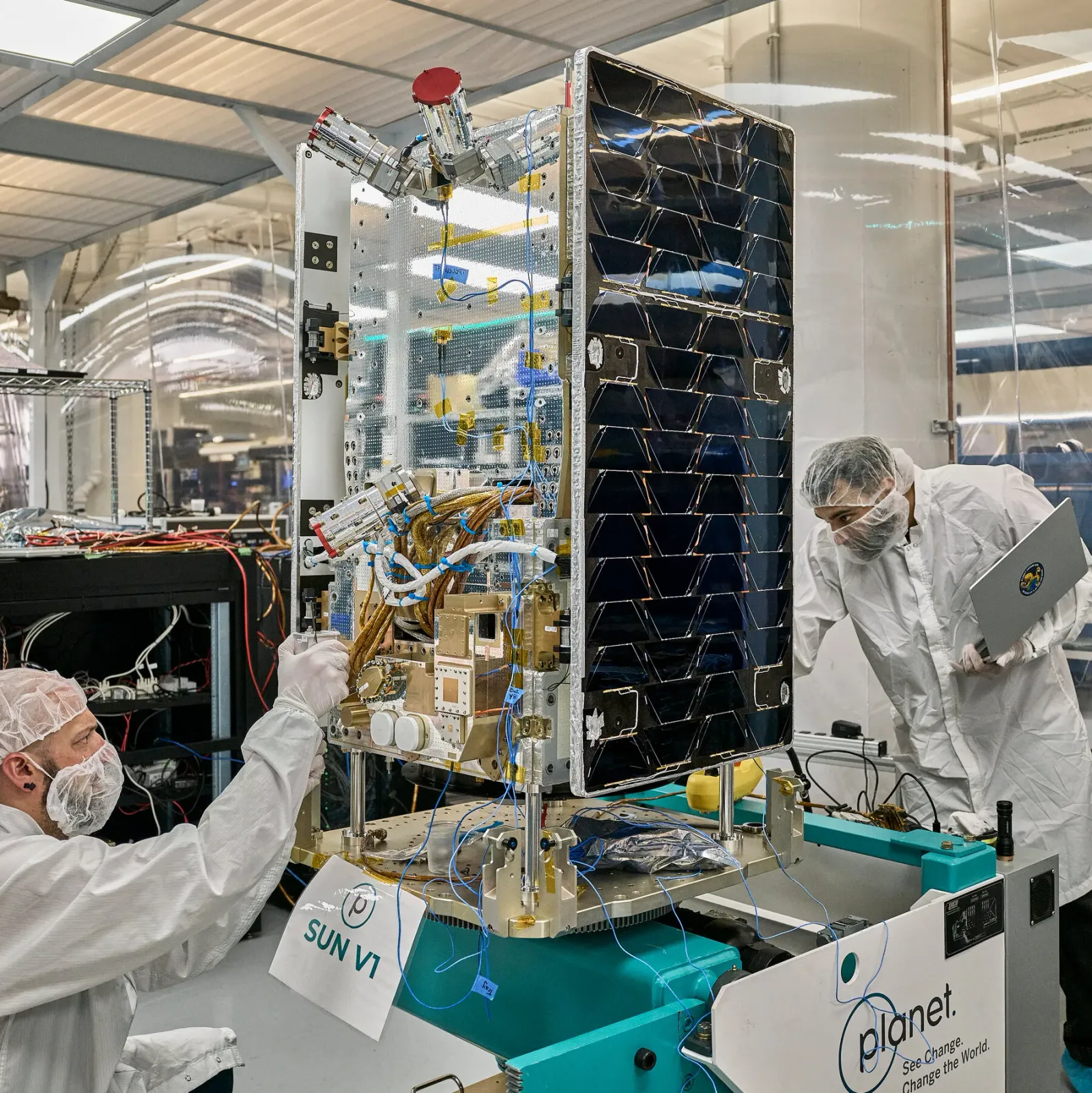
Google is preparing to launch a satellite that can run its AI technologies in orbit, according to The New York Times. The move is a first step toward space-based data centers, with major implications for how cloud infrastructure is powered and cooled.
Google is preparing to launch a satellite that can run its AI technologies from orbit, according to The New York Times. The move is a first step toward a future where data centers could live in space, far from the energy grids and cooling systems that ground-based computing depends on. For an industry scrambling to find power and water for AI's exploding compute demands, this is a signal that the biggest cloud players are willing to look beyond Earth for answers.
The satellite is not a full data center. It is a testbed, a way to see whether AI workloads can function in the harsh environment of space. If it works, it could open the door to orbital computing infrastructure that runs on solar power and radiates heat into the void, sidestepping two of the biggest constraints on AI growth: electricity and water. The Times notes this is just a first step, so expectations should be tempered, but the direction is clear.
AI's appetite for compute has exploded. Training and running large models requires vast server farms, and those farms are hitting physical limits. Power grids are strained, and data centers are competing with homes and factories for electricity. Cooling is another bottleneck; servers generate enormous heat, and water-cooled facilities are becoming controversial in drought-prone regions. Space offers a workaround: abundant sunlight and a natural heat sink. That combination is why the concept has been discussed for years, but Google's satellite would be one of the first concrete attempts to put AI compute in orbit.
But space is not a simple fix. Launching hardware into orbit is expensive, and maintaining it is harder than sending a technician to a server room. Radiation can damage electronics, and the latency of beaming data to and from Earth could make space-based AI impractical for real-time applications. That is why this satellite is a first step, not a revolution. It will test the fundamentals: can AI models run reliably in orbit, and can the results be transmitted back to Earth? The answers will determine whether the idea moves from experiment to infrastructure.
Google is not alone in exploring unconventional data center locations. Microsoft has tested underwater data centers, and other companies have looked at Arctic sites for natural cooling. But space is the most ambitious frontier. The economics are still unproven, and the engineering challenges are immense. Yet the fact that a company like Google is investing in orbital AI suggests the payoff could be significant. If space-based computing proves viable, it could reshape the economics of the cloud, offering a way to scale AI without being tethered to terrestrial power grids.
For executives, the implications are twofold. First, the cost and complexity of AI infrastructure are becoming a board-level issue; anything that could ease the pressure on energy and cooling is worth watching. Second, Google's move signals that the cloud giants are willing to experiment with radical solutions to stay ahead. If space-based computing works, it could create new competitive dynamics, rewarding companies that move early and punishing those that wait. The satellite is a small step, but it points to a future where the cloud is literally in the sky.
What should decision-makers watch next? The launch timeline, the satellite's capabilities, and any early results from the test. The Times reports this is just a first step, so the immediate impact on cloud pricing or AI performance will be minimal. But the strategic signal is loud: the race to find the next generation of data center infrastructure is on. Companies that depend on cloud computing should pay attention to how these experiments evolve, because the winners could unlock cheaper, greener, and more scalable AI. For now, Google is leading the charge into orbit, and the rest of the industry will be watching closely.
This story's Key Insights and Take-aways are locked.
Create a free account to unlock Executive Actions for one credit.
Register to UnlockAlways free for Executives Club members. Join the Club
More in Science

Alaska's 1,580-foot tsunami had warning signs. Scientists just found them.
Rapid glacier retreat, heavy rainfall, and thousands of tiny tremors preceded Alaska's 1,580-foot tsunami, a warning for every coastal community in a warming world.

The rare mutation that lets high-risk brains dodge Alzheimer's
Scientists found a natural defense against protein buildup, opening a new path to preventive treatments.

3,000 steps a day may halve Alzheimer's decline, study finds
New research links a modest daily walk to less tau buildup and nearly half the cognitive and functional decline, even for those with early signs.