

Google’s search grip may be cracking as AI changes how users find answers
Even with Wall Street still viewing Google as strong, AI is rewriting the playbook and complicating the story investors want.
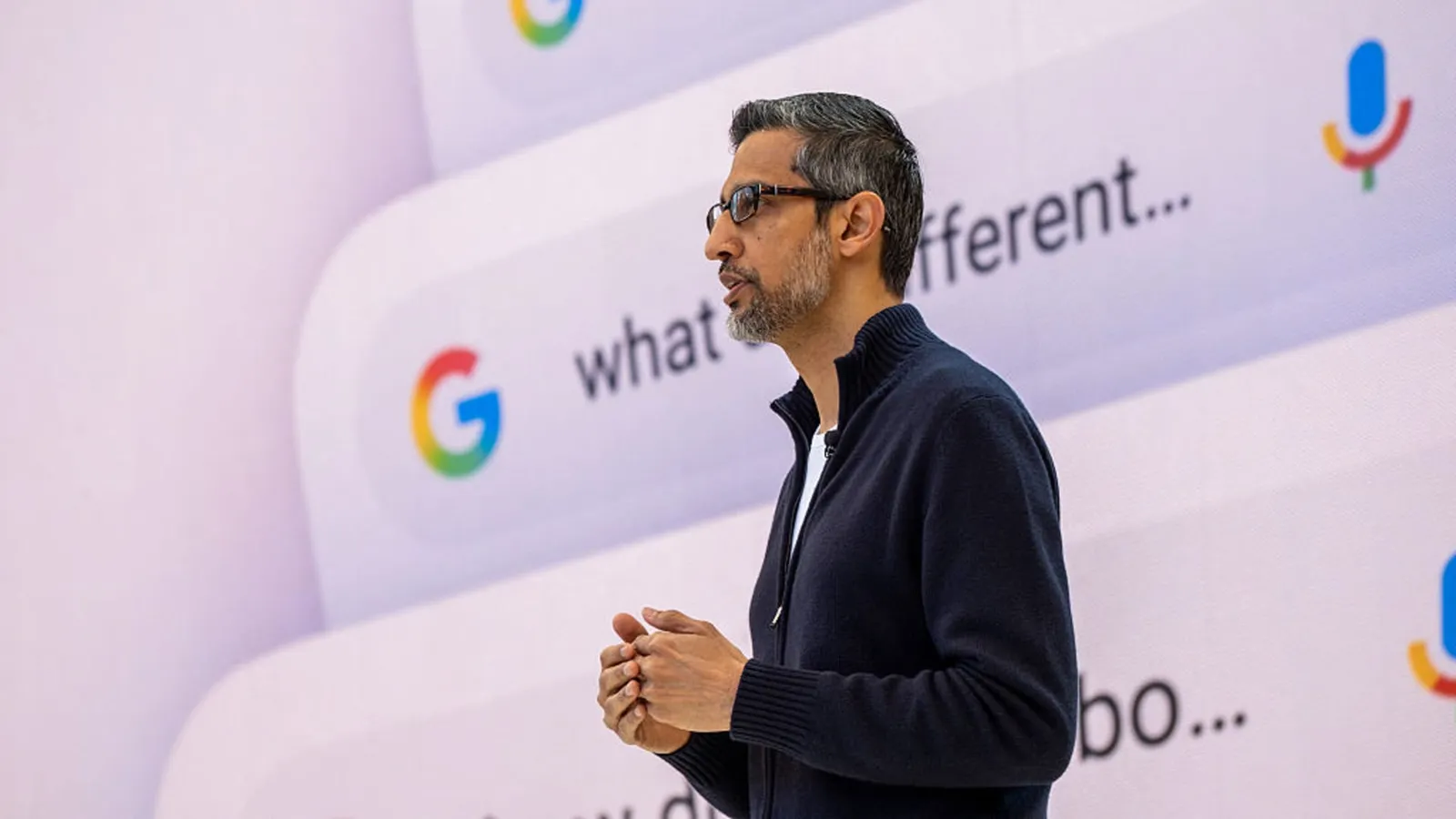
CNBC frames Google’s online dominance as starting to show signs of cracking in the AI era. The implication for decision-makers: AI is not just a product upgrade, it is changing the economics and risk profile of search-advertising dominance.
Google’s online dominance is still a big deal. But CNBC notes that in the AI era, the narrative is getting harder for the company to manage, with signs that its grip on how people find information may be cracking.
This is the tension at the heart of the story. Google may remain in a position of strength in the eyes of Wall Street, yet AI is complicating the company’s story in a way that matters to investors, executives, and anyone tied to the search advertising machine.
To understand why this feels like a “cracking” moment, start with what search has historically been in plain terms. Search is the front door to the internet. When users type a query into a search engine, they generate intent. That intent is then monetized through ads and other revenue tied to ranking. The business model is built on the assumption that the user journey runs through a familiar interface, and that Google remains the default for capturing that journey.
AI changes that journey. Instead of users assembling answers by clicking through results, AI systems can produce the answer in a single step, often reducing the number of clicks that lead to traditional search results pages. When fewer users navigate the old flow, executives have to worry about second-order effects: engagement patterns shift, ad formats have to evolve, and advertisers wonder whether they still get the same measurable path from query to conversion. This is where “signs of cracking” becomes more than marketing language. It suggests that dominance in the traditional search layer might not translate 1:1 into the new AI-driven experience.
What makes CNBC’s framing especially relevant is the split between sentiment and fundamentals. The source is explicit that Google remains strong in Wall Street’s eyes. That matters because markets rarely move on fear alone. They move when investors believe there is a durable change in cash flow drivers or competitive positioning. So the “complicating the company’s story” part implies a more subtle risk: even if revenue and performance still look solid today, AI is introducing uncertainty around the future path of the business.
For boardrooms and C-suites, this is the kind of uncertainty that can drag on valuation even before it shows up in the income statement. Why? Because guidance and long-range assumptions get harder to defend when the interface and user behavior are shifting. When analysts and investors try to model search-ad revenue, they need to know how AI answers will be distributed, how attribution will work, and whether engagement will remain concentrated. If those answers take longer than expected, the market may demand a bigger premium to own the risk.
There is also a regulatory backdrop to consider, even when the source does not detail a new action. Regulators have been paying attention to digital gatekeepers for years, especially where default distribution and ad targeting create systemic advantages. In the AI era, the definition of “gatekeeper” can expand. It is no longer only about who ranks websites. It can also be about who provides the final answer, who supplies the underlying model experience, and who controls the pathways from query to outcome. For a company with a dominant platform, that broadening scrutiny is a structural concern, not a one-off event.
The strategic stakes extend beyond Google, too. If AI shifts consumer behavior away from traditional search surfaces, competitors across ad tech, device ecosystems, browsers, and AI assistants will all feel the pressure to rework their monetization strategies. Executives at rival platforms will watch how Google defends its distribution and advertiser relationships in practice, not just in press releases. Meanwhile, advertisers and agencies will pressure measurement vendors and media buyers for clarity on where demand is going when queries turn into AI answers.
Ultimately, CNBC’s headline idea comes down to a simple but high-stakes question: does Google’s online dominance survive the change in how users look for information? Wall Street may still see strength, but the AI era is adding enough uncertainty that the story is no longer straightforward. For decision-makers, that is the real risk: being strong today is not the same as being structurally advantaged for the next interface users will default to.
This story's Key Insights and Take-aways are locked.
Create a free account to unlock Executive Actions for one credit.
Register to UnlockAlways free for Executives Club members. Join the Club
More in Technology

Nvidia's $89B data center quarter: the 9 companies cashing in
The AI buildout is minting fortunes beyond GPUs, and memory, cloud, and cooling suppliers are riding the same wave.

Google quietly links your phone number to every Android account on your SIM
Adding a SIM now ties your phone number to all Google accounts - and future accounts inherit it. Here's the security and privacy stakes.

Hijacker AI 'Skynet mode' runs 100,000 attack steps against exposed models
Symantec caught a criminal AI agent that borrows other models, steals data, and mines crypto; the only relief is no confirmed victims yet.