
Gossip Goblin’s AI film lands in U.S. theaters, testing if fandom can mint box office
The YouTube creator brings AI-assisted feature Gods Don’t Give Gifts to theaters, turning online audiences into a real-world revenue experiment.
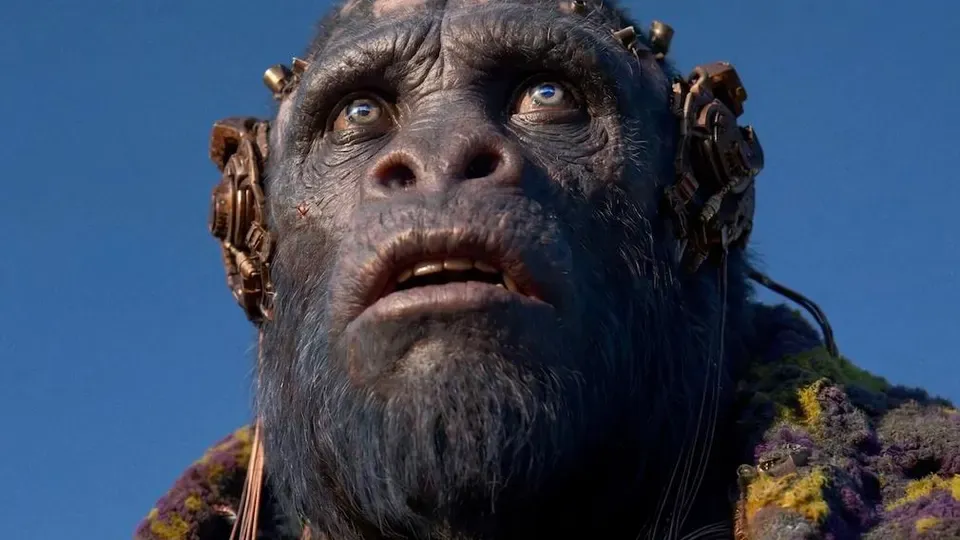
YouTube creator Gossip Goblin is debuting the AI-assisted feature Gods Don’t Give Gifts in U.S. theaters. The move pressures media decision-makers to reassess whether online fandom can be converted into theatrical box office results.
Gossip Goblin, the YouTube creator behind the AI-assisted feature Gods Don’t Give Gifts, is bringing the film to U.S. theaters. This is not just a distribution milestone. It is a live test of whether the attention engine that powers online fandom can be translated into ticket sales once the audience has to show up offline.
That question matters because theater remains a high-stakes funnel. A film that performs there proves it can sustain mainstream awareness beyond the algorithm. A film that underperforms raises the uncomfortable possibility that online hype and real-world revenue are not the same currency. In other words: this theatrical rollout is essentially a stress test for modern creator-led marketing.
The premise is straightforward. The feature is AI-assisted, and it is being pushed by a creator whose audience already exists on YouTube. That combination sits right at the intersection of two forces that executives have been watching closely. First is creator distribution, where a built-in audience can reduce marketing uncertainty and potentially speed up go-to-market. Second is AI-enabled production, which can change how films are made and how quickly new content can be brought to market. The industry conversation has often focused on production and platforms. This move forces the conversation onto exhibition, where box office is the scorecard.
Why would a creator-led theatrical debut be a big deal for decision-makers? Because online fandom behaves differently than traditional movie audiences. On YouTube, engagement can be driven by community, ongoing content loops, and parasocial momentum. The same fans might consume, share clips, comment, and keep the conversation going for weeks. But theaters demand a different kind of commitment: time, geography, and a willingness to pay for an experience in a specific format and timeframe. Bringing an AI-assisted feature into theaters is a way to see whether the “always on” internet relationship can become a “show up now” behavior.
There is also a business logic to making this a U.S. test. The U.S. market is the biggest mainstream reference point for box office performance. It sets expectations that can ripple outward to other territories and to future partnerships between creators and theatrical distributors. If the experiment works, it becomes a template. If it fails, the industry will treat it like a cautionary tale about overestimating online conversion.
On the AI front, the title Gods Don’t Give Gifts being AI-assisted also raises the kind of scrutiny media leaders generally have to manage, even when they are not making headlines about it. AI in entertainment has been under a growing compliance and reputational spotlight, especially around transparency, rights, and how audiences understand what they are watching. While the source here does not provide details beyond that the feature is AI-assisted, the broader reality for executives is that AI content often brings extra questions from regulators, platforms, and trade press. A theatrical debut adds even more visibility, because theaters and mainstream audiences can amplify both curiosity and controversy.
The other second-order effect is how this reframes board-level risk thinking. Traditional theatrical projects can be judged on production budgets, star power, and distributor muscle. Creator-driven theatrical rollouts add new variables. The creator’s brand becomes part of the capital structure of the film. If the fans arrive, marketing friction could drop. If they do not, the project may show that creator attention is not a guaranteed substitute for broad audience appeal. That is the real tension executives will want to understand: the upside is conversion, the downside is mispricing attention.
For peers in media, entertainment, and platform-adjacent roles, the strategic stake is clear. This is a credible attempt to measure whether fandom can be monetized at scale in a traditional revenue channel, and whether AI-assisted filmmaking can coexist with mainstream theatrical economics. If online fandom can drive box office, it strengthens the case for partnerships that blend creator audiences with theatrical distribution. If it cannot, it will push future deals toward different formats, different windows, or more conservative expectations about conversion. Either way, Gossip Goblin is forcing the market to answer a question that has been floating around for a while: can the internet’s audience become the theater’s crowd?
This story's Key Insights and Take-aways are locked.
Create a free account to unlock Executive Actions for one credit.
Register to UnlockAlways free for Executives Club members. Join the Club
More in Entertainment

12TB Steam 'teraleak' goes beyond Valve: GTA 3, Mafia 2 prototypes exposed
A 12-terabyte dump of Steam data reveals prototypes and builds of third-party classics like GTA 3 and Mafia 2, plus unreleased Valve content, rewriting game history.

LinkedIn's romance problem: 1 in 4 workers say dating on it is fair game
A new survey shows a quarter of U.S. employees treat the professional network as fair game for romance, even as LinkedIn bans it and removes hundreds of thousands of offending posts.

Enhypen's first No. 1 album breaks K-pop's Billboard 200 streak
The K-pop group's 98,000-unit debut tops the chart while Dolly Parton's catalog reentry shows how death reshapes streaming.