

Grab plans to grow Vietnam EV charging network 15x by 2028
A fifteenfold expansion by Grab is about more than ports and cables. It is a bet on demand, regulation, and cash discipline.
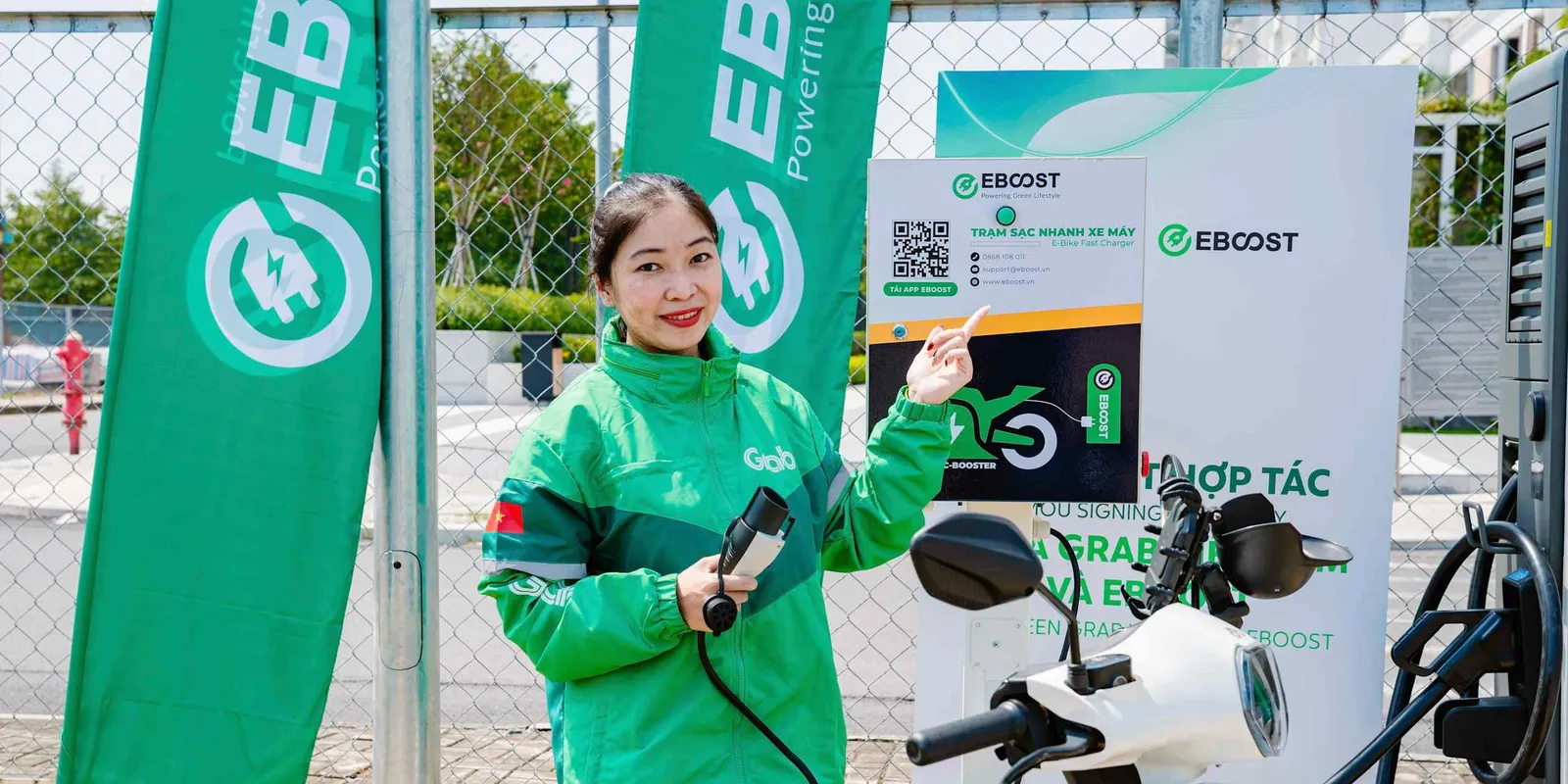
Grab will expand its Vietnam EV charging network fifteenfold by 2028, according to Nikkei Asia. For decision-makers, that move signals how operators plan to win the next mobility spending cycle and shape partnerships ahead of scale.
Grab is aiming to grow its Vietnam EV charging network by fifteenfold by 2028, a target that turns the quiet infrastructure race into a very loud timeline. The headline number matters because charging networks do not scale by wishful thinking. They scale through site control, grid access, equipment procurement, and the operational grind of keeping chargers working and priced to attract drivers.
In practical terms, a fifteenfold plan forces Grab to answer a simple question: what happens when the network grows faster than usage, or slower than demand. If utilization lags, costs pile up in the exact places executives hate, maintenance, power fees, and hardware replacements. If utilization rises too quickly, the operator needs permits, utility capacity, and deployment throughput that match real world demand. Grab is putting a deadline on those constraints by 2028, and that puts pressure on partners, regulators, and financing structures today, not later.
This matters in Vietnam because the EV market is evolving from early adoption toward broader mainstream use. When that shift starts, charging becomes the difference between “I want one” and “I can actually use one on a random Tuesday.” That is why platform and mobility players like Grab, which already sit near daily travel behavior, are increasingly relevant to the EV ecosystem. They have distribution and brand affinity. But distribution alone does not power an expansion; they still need physical infrastructure and the ability to deploy it across neighborhoods and routes where EV owners will actually stop.
The regulatory context is also central. Charging infrastructure typically intersects with multiple approvals and compliance pathways, including land permissions, construction rules, and grid or power connection requirements. Even when policy is supportive, timelines for utilities and local permitting can lag behind private sector ambition. A fifteenfold expansion target implicitly signals that Grab believes it can navigate those bottlenecks through partnerships, standardization, and repeatable rollout playbooks. Otherwise, the math does not work. A network can be announced quickly; a network that is actually usable at scale is harder.
There is also a competitive boardroom dynamic hidden inside the network plan. Charging networks attract attention not only from EV drivers, but also from automakers, energy companies, and other mobility platforms that want to control the customer relationship. If Grab expands quickly, it can lock in prime locations, negotiate commercial terms with property owners and power providers, and build data on usage patterns. That data, in turn, can influence where to deploy next and how to price, which can be the difference between a network that becomes a go-to utility and one that gets outcompeted.
Still, scale cuts both ways. Bigger networks can lower unit costs if utilization improves, but they can also amplify the risk of stranded capital if EV adoption or charging behavior does not accelerate as expected. Executives reading this should treat it as a signal about how operators are managing risk: by committing to a specific expansion cadence, they are effectively underwriting a future demand curve and a future regulatory and utility workflow. If any component falls behind, the operating model has to compensate elsewhere, with smarter site selection, better maintenance systems, or pricing and incentives designed to reduce downtime and increase session frequency.
The second-order implications extend beyond Grab. A fifteenfold expansion by a high visibility player can pull the entire ecosystem toward operational maturity. Property owners may become more willing to host chargers if demand appears durable. Utilities and local authorities may prioritize processes that reduce friction for serious deployers. Meanwhile, competitors will have to respond, either by matching footprint growth, specializing in certain corridors or demographics, or partnering differently to access power and land. In that sense, this is not just a network build. It is a competitive benchmark that can reshape how quickly others feel compelled to act.
For CEOs, CFOs, and boards, the strategic stakes are straightforward: charging infrastructure is becoming a core capability, not a side project. The fifteenfold target by 2028 is a commitment to execution, partner alignment, and cost control in a market where the timelines can be unforgiving. Grab is betting that the winners in EV charging will be the ones that can move from pilots to coverage at speed, while keeping the network reliable enough that drivers do not stop trusting it.
This story's Key Insights and Take-aways are locked.
Create a free account to unlock Executive Actions for one credit.
Register to UnlockAlways free for Executives Club members. Join the Club
More in Business

AstraZeneca $27B wipeout as Wainua late trial misses cardiovascular target
A failed late-stage heart study triggered a swift market punishment, forcing investors and boards to reset timelines and risk.

Comcast shares jump 25% as it plans to split NBCUniversal and Sky
The tax-free spin-off could reshape focus, funding, and competition across media and tech for years.

Bungie cuts most Destiny 2 staff as Sony says Marathon still matters
Herman Hulst confirms layoffs affecting most Destiny and some Marathon teams after Bungie admits Destiny fell short.