

Guillaume Broche says Clair Obscur devs were told “no one” would like its combat
The creative director recalls the blunt warning, then explains why the team ignored it and shipped anyway.
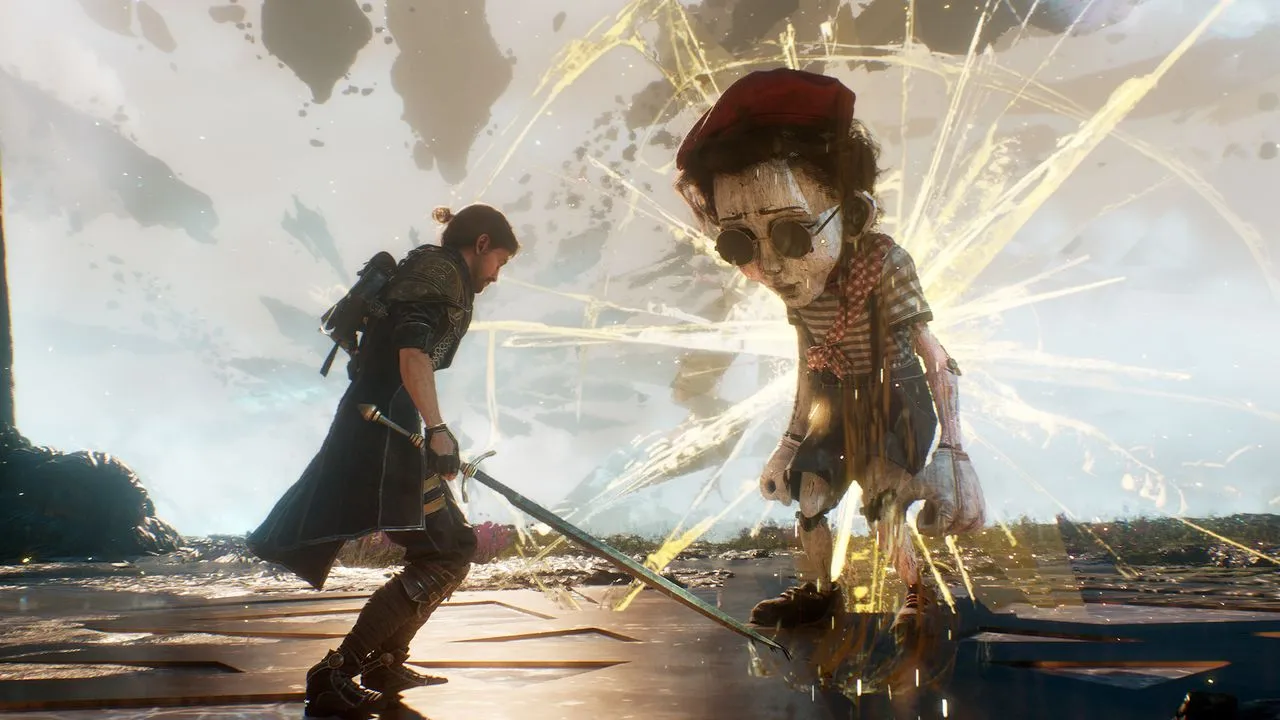
Guillaume Broche, creative director at Sandfall Interactive, says the team behind Clair Obscur: Expedition 33 was warned that “no one's going to like it” before launch. For decision-makers, it is a case study in how product bets get killed by consensus, or survive by design conviction.
Over a year after the monumental launch of Clair Obscur: Expedition 33, Sandfall Interactive creative director Guillaume Broche is revisiting the strangest pre-release warning his team heard: that “no one's going to like” the game’s core combat concept. The irony is hard to miss now that the RPG is out in the world and has already become only the second game after Baldur's Gate 3 to collect all five major Game of the Year awards last year. In other words, the “nobody will like this” story reads like an obituary. Instead, it turned into a headline.
Broche told Konbini in a new episode of Video Game Club on YouTube about what Sandfall heard before release, and the exact pitch of the concern is refreshingly specific. According to Broche, the message was that the team was “mixing the challenging aspects of an action game - with dodging and parrying - with turn-based gameplay,” and that people would react badly because “Turn-based players like turn-based games, and action players like action games.” That framing is basically a market segmentation argument dressed up as inevitability. It implies you cannot mix audiences, and you definitely cannot mix playstyles.
What Broche emphasizes next is not a rebuttal full of analytics. It is a straight-up refusal to treat the warning as gospel. “We didn't care,” he says of what they were told. His logic is blunt: the team thought the idea was “cool,” they played it, and “it's fun.” So they combined the two styles, and “it worked.” That is the part that tends to land with executives: the decision was not made in a spreadsheet. It was made in a design loop, with the product itself as the argument.
Broche also adds a second layer that matters for teams under pressure. He claims that “fundamentally, there are a lot of design decisions that, from an outside or business perspective, make no sense at all.” That is a telling distinction. “Outside” here sounds like the room where product strategy gets translated into risk management language. But the team appears to have treated that room as a reference point, not a decision engine. They built what they wanted to play, then let evidence after the fact judge them.
It helps to zoom out on the genre logic, because this is not the first time games have tried to blend real-time action and turn-based systems. The source points to 1996's Super Mario RPG, which blended real-time action with its turn-based framework using timed button presses to make attacks hit harder or blocks absorb more damage. That example is useful because it shows the underlying pattern: hybrid systems can feel “wrong” to traditionalists until they click in practice. Clair Obscur: Expedition 33’s whole gamble is that the blend can become coherent, not just clever.
Broche also makes a cultural argument about imperfections. He says “imperfections” in games add to their charm, while games that try to be perfect, and try to fix all their flaws, are “usually just really boring.” That statement reads like creative philosophy, but it also doubles as an organizational warning for decision-makers: polishing until everything is safe can erase the reasons people care. In competitive markets, safe is not neutral. Safe is a strategy that often looks like everyone else.
Of course, Broche does not pretend Clair Obscur is flawless. He references its “unbearable” minigames, and he even comments on a future where developers might “be able to churn out a game in 5 seconds with a prompt,” while hoping they're not any good. The point for executives is not whether that prediction is right. It is the implied tension between speed and quality, between production throughput and taste. When a team believes deeply enough in what it is making, it can absorb brutal feedback before launch and still ship. When it does not, it will chase consensus, usually right up until the product loses its identity.
For peers in product, creative, and investment roles, this story is a reminder of how “audience logic” gets weaponized during development. The claim that “turn-based players” and “action players” are mutually exclusive is a neat narrative for risk committees. But the outcome suggests that mixed mechanics can succeed when execution earns attention. If you're sitting on a board, funding a studio, or steering a portfolio, the strategic stake is simple: do you demand certainty from the market before you let the product prove its own fun, or do you build a process where taste can survive testing?
Clair Obscur: Expedition 33 shipped with a hybrid combat idea that, before release, someone insisted would be disliked. The dev response was not to water it down. It was to keep going, because they played it and believed it was fun. And now the awards say the warning was wrong.
This story's Key Insights and Take-aways are locked.
Create a free account to unlock Executive Actions for one credit.
Register to UnlockAlways free for Executives Club members. Join the Club
More in Entertainment
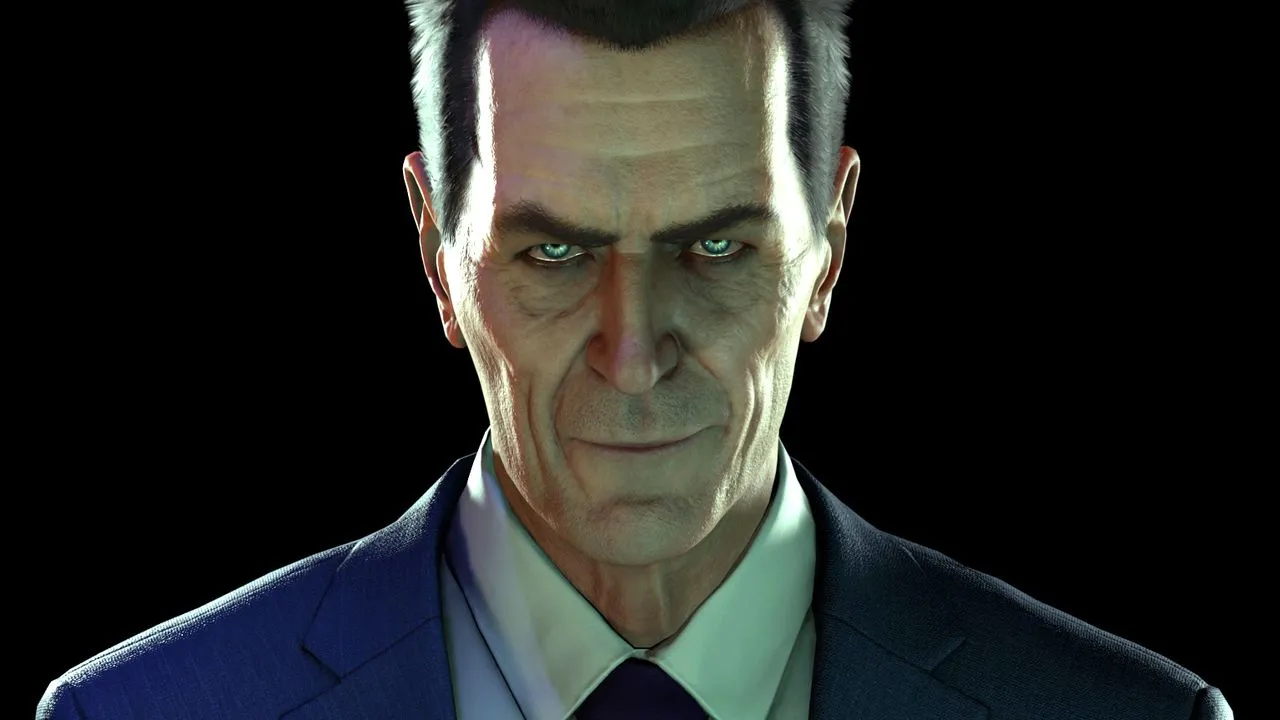
12TB Steam 'teraleak' goes beyond Valve: GTA 3, Mafia 2 prototypes exposed
A 12-terabyte dump of Steam data reveals prototypes and builds of third-party classics like GTA 3 and Mafia 2, plus unreleased Valve content, rewriting game history.

LinkedIn's romance problem: 1 in 4 workers say dating on it is fair game
A new survey shows a quarter of U.S. employees treat the professional network as fair game for romance, even as LinkedIn bans it and removes hundreds of thousands of offending posts.

Enhypen's first No. 1 album breaks K-pop's Billboard 200 streak
The K-pop group's 98,000-unit debut tops the chart while Dolly Parton's catalog reentry shows how death reshapes streaming.