

Gulf countries brace as US-Iran strikes push Iran to target US allies
As fighting escalates, decision-makers in the Gulf face outsized risk even without direct attacks on civilians.
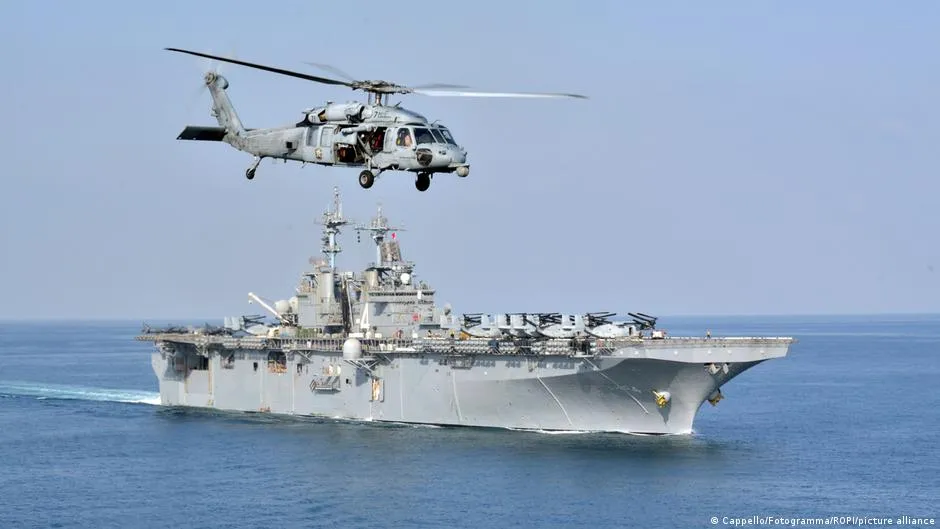
After US strikes on Iran, Iran has targeted US allies in the Middle East. Gulf countries, even if not directly hit, have much to lose as the conflict escalates.
After US strikes on Iran, Iran has targeted US allies in the Middle East, and the Gulf is feeling the pressure even when the blows do not land exactly where you might expect. The key point for decision-makers: even if Iran is not targeting the governments or populations of its neighbors, escalation still creates real, high-cost consequences across politics, markets, and risk management.
In other words, Gulf countries are not only asking, "Are we the target?" They are also asking, "What happens to our stability if the region is treated like a battlefield anyway?" As fighting escalates, the region’s exposure is less about a single strike and more about compounding risk, including security spillovers and rapid shifts in how governments and markets price uncertainty. That is why the impact can be heavy even without a direct attempt to harm Gulf governments or their populations.
To understand the second-order effects, start with how these countries sit at the intersection of major security commitments and global economic plumbing. The Gulf’s economies depend on predictable trade flows, energy demand, and confidence from investors and counterparties who do not want to get caught in a supply chain disruption. When US-Iran tensions rise, that confidence can evaporate quickly, and the cost shows up in funding conditions, insurance premiums, logistics timelines, and the willingness of counterparties to sign and settle deals on schedule.
There is also a regulatory and policy layer that executives tend to underestimate until it hits them. In escalatory cycles, governments often tighten controls, adjust sanctions enforcement posture, or increase scrutiny of cross-border flows tied to sensitive sectors. Even if a particular country or company is not accused of wrongdoing, the compliance burden grows. Teams spend more time mapping exposure, revising controls, and responding to heightened diligence from banks, insurers, and regulators. That is not just administrative pain; it can delay transactions and raise effective costs for everything from trade finance to infrastructure procurement.
Now add the alliance dynamic that the source highlights indirectly: Iran is targeting US allies in the Middle East after US strikes on Iran. Even if those actions are calibrated and do not include attacks on governments or populations of neighbors, being a US ally can still make a Gulf country feel like it is operating under a sharper threat lens. The Gulf’s leaders are balancing deterrence and de-escalation, trying to prevent their territory from becoming a staging ground or a route for retaliation. The strategic problem is that escalation can produce events faster than diplomacy can absorb them, forcing governments and major employers into immediate contingency planning.
For boards and senior management, the hardest part of this kind of risk is that it is not linear. You can watch for direct attacks and still get blindsided by what comes next: disruptions to energy logistics, volatility in regional currencies, or a sudden reassessment by insurers and lenders of corridor risk. Another non-obvious layer is reputational and partner risk. If counterparties conclude that operations in the region are becoming too hard to justify, they may pull back even before any direct harm occurs. That means revenues can take a hit from uncertainty alone, while costs rise due to security spending and compliance activity.
The Gulf’s stake, then, is broader than immediate physical danger. It is about protecting the operating environment. When fighting escalates after US strikes on Iran, Iran’s targeting of US allies in the Middle East changes how the region is perceived, how risk is priced, and how quickly decisions need to be made. For executives, the strategic takeaway is clear: your risk assessment cannot stop at whether your country is directly attacked. It has to include how escalation reshapes markets, compliance requirements, financing terms, and the day-to-day behavior of partners.
Peers in similarly exposed roles, whether in energy, logistics, finance, or critical infrastructure, should treat this as a stress test for the full risk stack. The Gulf countries have much to lose as fighting escalates, because in modern markets, the absence of direct attacks is not the same thing as safety. When regional tensions rise, the ripple effects can move faster than facts can update, and leadership is measured by how quickly an organization can adapt.
This story's Key Insights and Take-aways are locked.
Create a free account to unlock Executive Actions for one credit.
Register to UnlockAlways free for Executives Club members. Join the Club
More in Politics
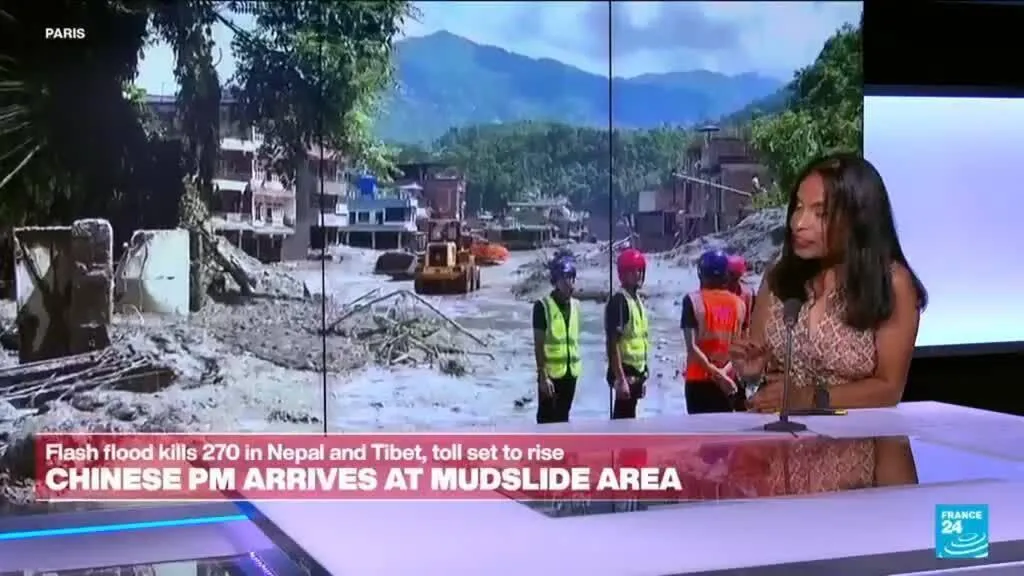
Glacial collapse, not rain, killed 180 in Nepal's Himalayan flood
The Himalaya's extreme geography hid the true cause of Nepal's catastrophic flood, a glacial collapse that turned a geological battleground into a mass-casualty zone.
Iran’s Esmail Baghaei says Oman talks start shipping via Hormuz, not US talks yet
Temporary route plans with Oman aim to restart commerce while Tehran says Washington dialogue is not on the table.

Standards watchdog opens probe into Reform UK deputy leader Richard Tice over interests
The parliamentary standards commissioner says it began an investigation on 28 July into a possible undeclared interest.