
Haidilao's 10% stock plunge exposes Beijing's new tax trap for wealthy founders
A 259-million-share sale by the co-founder's wife signals how China's overseas-asset tax crackdown is forcing billionaire families to move.

Shu Ping, co-founder and wife of Haidilao chairman Zhang Yong, plans to sell 259 million shares, a 4.65% stake, sending the stock down 10% in Hong Kong. The move highlights how Beijing's new taxation regime on overseas assets is pressuring wealthy Chinese individuals to unwind holdings before payment deadlines.
Haidilao's stock rout this week is not just a hotpot drama. It is a warning shot for every wealthy Chinese founder holding assets offshore. Shu Ping, co-founder and wife of Haidilao chairman Zhang Yong, plans to sell 259 million shares, a 4.65% stake, and the market reacted violently: shares plunged 10% in Hong Kong. The sale stands to generate about HK$1.5 billion, based on the stock's recent trading levels, though the exact figure depends on the final price. Haidilao said the reduction is a routine personal financial move, but investors are reading it differently: as a direct consequence of Beijing's new taxation regime on overseas assets held by wealthy individuals, with payment day looming.
The tax crackdown, introduced under China's individual income tax law, requires Chinese tax residents to report and pay tax on worldwide income, including gains from overseas asset sales. For billionaires like Zhang Yong and Shu Ping, who built Haidilao into a global chain with operations in Singapore, the United States, and beyond, the new rules create a painful choice: sell now and pay the tax, or hold and face potential penalties and interest later. The market's 10% sell-off reflects not just the supply of new shares, but the signal that other wealthy families may be forced to do the same. If one co-founder is selling, the market asks, who is next?
Haidilao's own statement tried to contain the damage. The company emphasized that the stake reduction is a personal decision by Shu Ping, not a reflection of the business's health. It also noted that the sale would not affect the company's operations or its controlling shareholder structure. Zhang Yong and Shu Ping together still control a majority of the company, so the sale does not threaten their grip on the board. But the optics are terrible. A co-founder selling a 4.65% stake at a time when the company is still recovering from pandemic-era losses and facing intense competition in China's dining sector sends a message that even the founders are looking for liquidity.
The timing is the real story. Beijing's tax authorities have been tightening enforcement of the overseas-asset rules, and wealthy individuals with holdings in Hong Kong, Singapore, and other low-tax jurisdictions are scrambling to restructure their affairs. For Haidilao, the sale comes just as the company is trying to reassure investors about its growth prospects. The hotpot chain has been expanding overseas, opening new locations in Southeast Asia and Europe, and has been investing in automation and delivery to cut costs. But the stock has been volatile, and this week's plunge wiped out billions in market value in a single session.
The broader implication is that China's wealthy are now facing a reckoning. For years, many Chinese entrepreneurs kept personal wealth offshore, often in Hong Kong or Singapore, to avoid domestic taxes and gain access to international capital markets. The new tax regime, which took effect in 2019 but has been enforced with increasing rigor, changes that calculus. It requires Chinese tax residents to declare overseas income and assets, and it imposes a 20% tax on capital gains from the sale of overseas assets. For founders who built their fortunes through Hong Kong-listed companies, the tax bill on a large share sale can be substantial.
Haidilao's situation is a case study in how the crackdown is reshaping behavior. Shu Ping's sale is not an isolated event. Other Chinese billionaires, from tech founders to real estate tycoons, have been quietly reducing their stakes in Hong Kong-listed companies or moving assets back onshore. The trend is likely to accelerate as tax authorities gain access to more data through international information-sharing agreements. For investors, the lesson is that a sudden share sale by a founder or their spouse may have less to do with the company's prospects and more to do with the founder's personal tax planning.
For boards and executives at companies with controlling shareholders who are Chinese tax residents, the risk is now structural. A tax-driven sale can hit the stock at any time, regardless of operating performance. The best defense is transparency: companies should encourage controlling shareholders to communicate their plans clearly and early, and to separate personal liquidity needs from corporate strategy. Haidilao's statement, while reassuring, came only after the stock had already plunged. By then, the damage was done.
The strategic stakes extend beyond Haidilao. Every Chinese founder with offshore wealth is now weighing the cost of holding versus the cost of selling. The tax payment day is looming, and the window for orderly sales is closing. For investors, the takeaway is to watch for similar moves from other Hong Kong-listed companies with Chinese founders. For founders, the takeaway is to plan ahead, communicate early, and avoid being the next cautionary tale. Haidilao's 10% plunge is a reminder that in the new era of global tax enforcement, personal wealth decisions can move markets in an instant.
This story's Key Insights and Take-aways are locked.
Create a free account to unlock Executive Actions for one credit.
Register to UnlockAlways free for Executives Club members. Join the Club
More in Business

Apple unveils first foldable iPhone Duo with 7.6-inch display under new CEO Ternus
Apple's first foldable, the iPhone Duo, marks a major product bet for new CEO John Ternus, with a 7.6-inch unfolded screen.
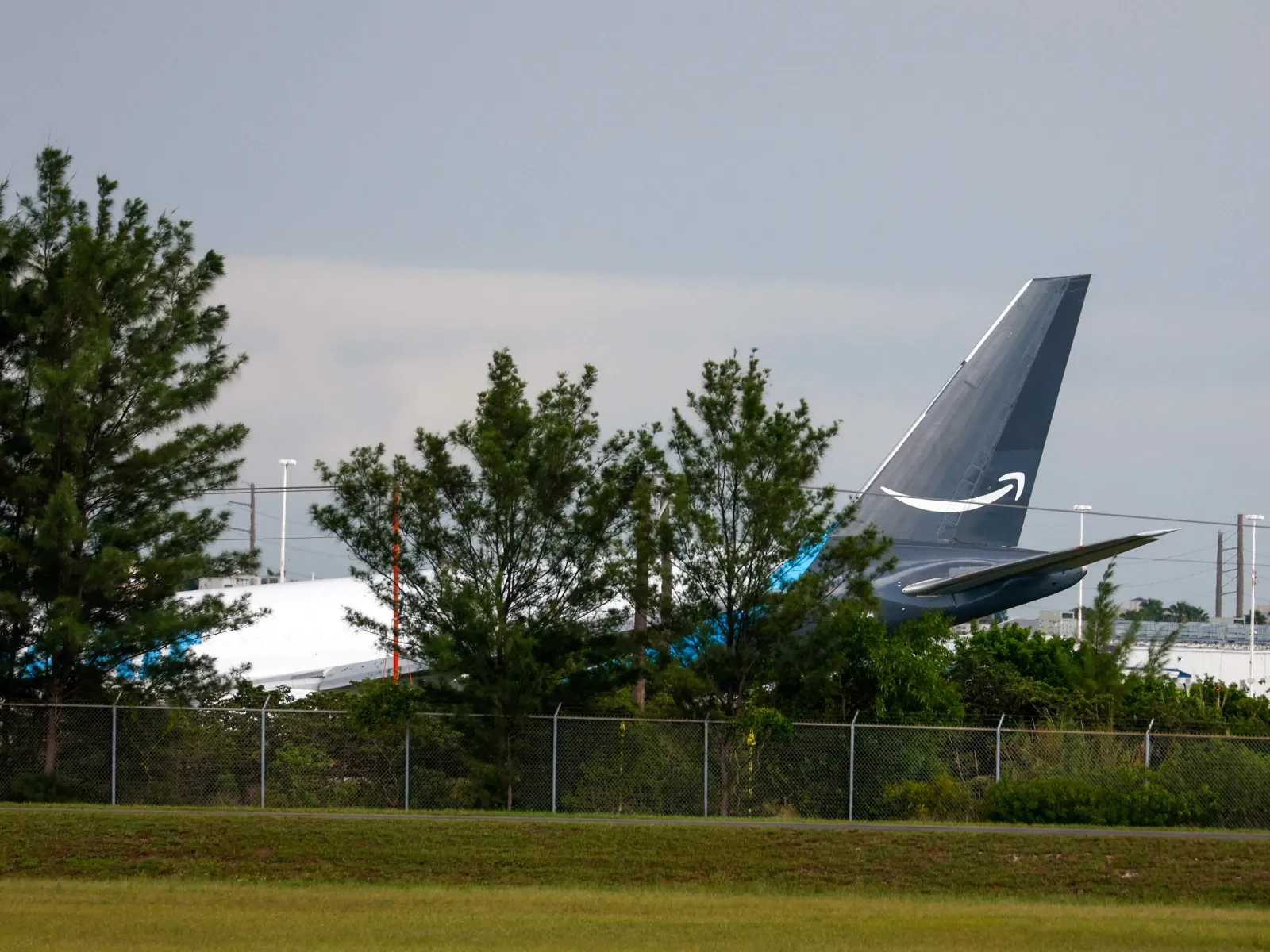
Amazon Prime Air 767 overshoots Miami runway, killing at least 5
The Boeing 767 freighter from San Juan struck vehicles and erupted in flames, prompting a ground stop and a fresh NTSB investigation into Amazon's air cargo network.
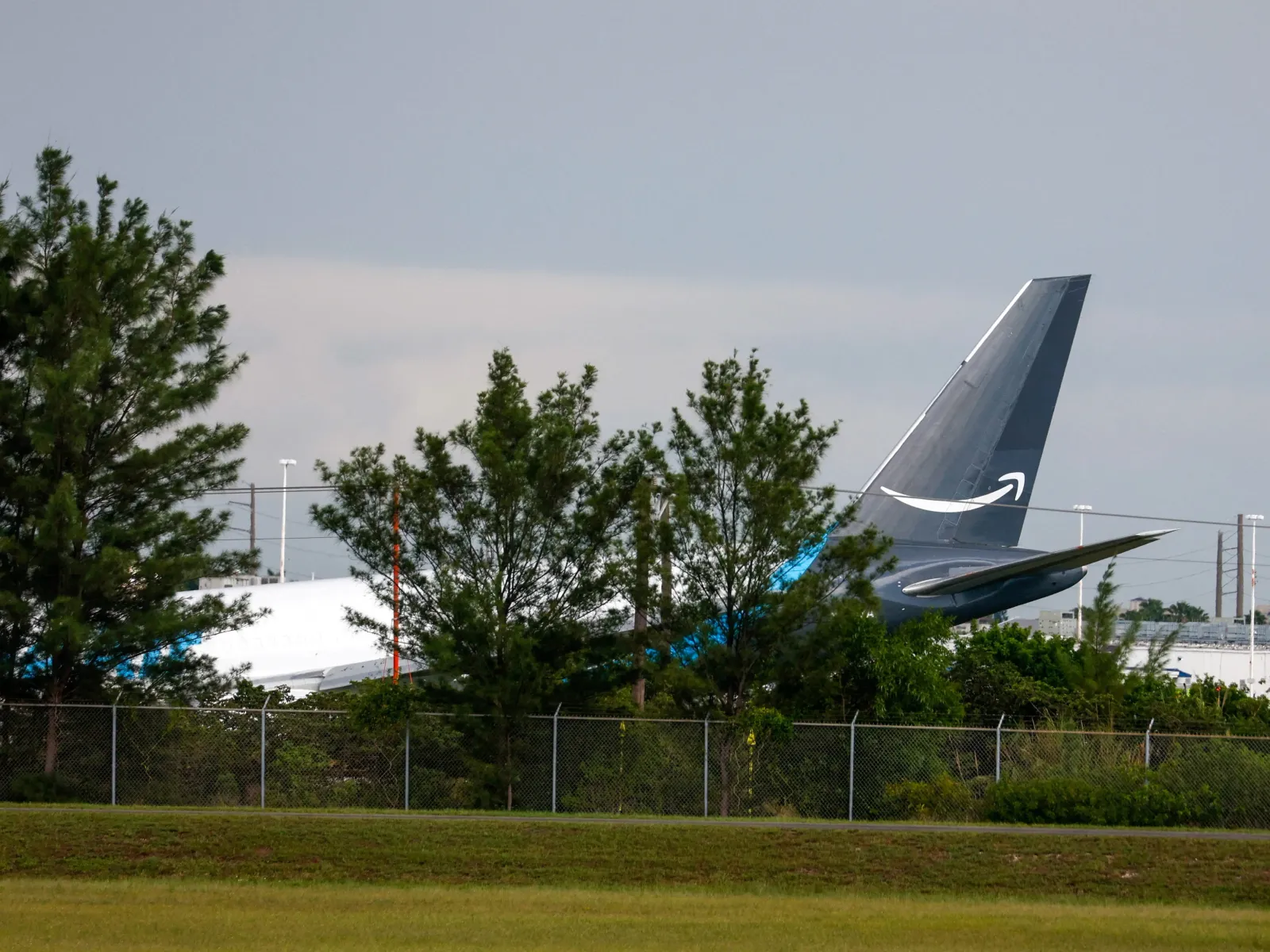
Amazon Prime Air 767 overshoots Miami runway, strikes vehicles, catches fire
The Boeing 767, operated by 21 Air, was arriving from San Juan when it overshot the runway, triggering a ground stop and multiple injuries.