
Haifaa Al-Mansour set to be honored at 12th Saudi Film Festival opening in Dhahran
The 12th Saudi Film Festival returns as an annual Gulf cinema showcase, themed “Cinema of the Journey,” running to July 2.
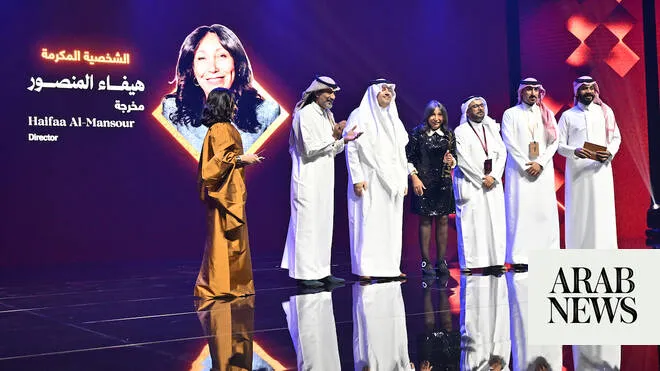
The 12th Saudi Film Festival opened Friday night in Dhahran at the King Abdulaziz Center for World Culture (Ithra), organized by Ithra in partnership with the Cinema Association and supported by the Saudi Film Commission. Executives, investors, and creators should clock the festival’s July 2 Golden Palm Awards timeline and this year’s Haifaa Al-Mansour special award as a signal of what the Saudi and Gulf film ecosystem is prioritizing.
Film in Saudi Arabia is stepping into a brighter, more structured spotlight, and the opening night of the 12th Saudi Film Festival made that hard to miss. On Friday night in Dhahran, film stars from around the Kingdom dazzled on the red carpet for the festival opening ceremony, held at the Dhahran headquarters of the King Abdulaziz Center for World Culture, also known as Ithra.
This matters because the festival is no side quest. It is the longest-running celebration of film in the Kingdom, and since its launch in 2008 it has evolved into a key showcase and driver of Saudi and Gulf cinema, now an annual event. The 12th edition also telegraphed where attention is going next: it continues with daily events, workshops and screenings at Ithra headquarters until July 2, when the Golden Palm Awards will be presented across multiple categories.
The opening ceremony also clarified who is steering the ship. Abdulrahman Alghannam, chairperson of the Cinema Association, welcomed the crowd and framed the festival as more than entertainment, describing it as a renewed annual tradition that offers “a journey through the world of cinema.” That message aligned directly with the theme for this year’s festival, “Cinema of the Journey,” which organizers said will feature a curated selection of Arab and international films, shorts and features. The organizing idea is simple but powerful for storytelling: journeys and movement as essential elements in how plots unfold, and how filmmakers explore physical or emotional travel.
So the programming is not just decorative. It is built around road movies, travel narratives, and films in which physical or emotional journeys drive the plot. That theme matters commercially because festivals like this can shape what audiences watch next, what producers get greenlit, and what distributors feel comfortable acquiring. If you are an executive in media, this is the kind of cultural calendar moment that quietly influences demand. If you are a creator, it is a signal of what kind of stories will be celebrated, spotlighted, and circulated.
The festival also positions itself as a regional bridge, not a closed loop. The program builds on successful initiatives from previous years that highlighted non-Saudi cinema, including a celebration of Japanese film last year. For the 2026 event, organizers are adding a “Spotlight on Korean Cinema,” which expands the “journey” concept beyond plot and into the festival’s own curatorial reach, putting international film industries in conversation with Saudi and Gulf audiences.
And then there is the recognition layer, which often carries more strategic weight than the red carpet. Each year the festival honors a Saudi pioneer in cinema, and this year director Haifaa Al-Mansour has been chosen to receive the special award. That selection matters for the market because it reinforces who is considered foundational in the Saudi cinema narrative, and it can set the tone for the kind of leadership and creative ambition that new entrants see as attainable. In ecosystems where talent development is still consolidating, awards can act like compasses.
From a governance and industry-structure standpoint, the opening ceremony also spotlighted the institutional stack behind the festival. The ceremony took place at Ithra, and the festival is organized by Ithra in partnership with the Cinema Association, with support of the Saudi Film Commission. For decision-makers, that is the practical takeaway: the festival is not a standalone event, it is a collaboration among cultural infrastructure, industry associations, and a national film authority. When those pieces align, you often get a clearer pipeline for screenings, workshops, and the kind of attention that helps projects travel.
Finally, the calendar is tight enough to matter now. The festival continues with daily events, workshops and screenings at Ithra headquarters until July 2, when the Golden Palm Awards will be presented to honorees in a number of categories. For executives watching the Saudi and Gulf media market, that timeline offers a concrete window to observe what audiences, critics, and industry stakeholders are rewarding. And for boards evaluating cultural initiatives, talent pipelines, or content strategy, the theme of “Cinema of the Journey,” the international spotlights, and the Haifaa Al-Mansour special award all point to a single message: Saudi cinema is being built with both local roots and outward-facing momentum.
This story's Key Insights and Take-aways are locked.
Create a free account to unlock Executive Actions for one credit.
Register to UnlockAlways free for Executives Club members. Join the Club
More in Entertainment

Russell Brand's accuser 'bewildered and confused' as he denies 7 sex charges
The criminal case against the comedian is a live test of how media companies manage talent risk when serious allegations go public.

'It's a Magic Trick': Ballet Experts Say Rosalía's SNL Pose Is Impossible
Three ballet experts tell Rolling Stone Rosalía's gravity-defying SNL stillness shouldn't be possible - and why the debate is now part of the show.

Activision CMO: GTA 6 Will Boost Call of Duty, Not Bury It
Activision's top marketer says Rockstar's blockbuster will drive players back to consoles and into Modern Warfare 4, even as the company admits its recent strategy failed.