

Haivya claims acoustic signals boost soybean, pepper, and cannabis yields
A plant tech start-up says sound waves can change growth, with trials reporting large yield gains.
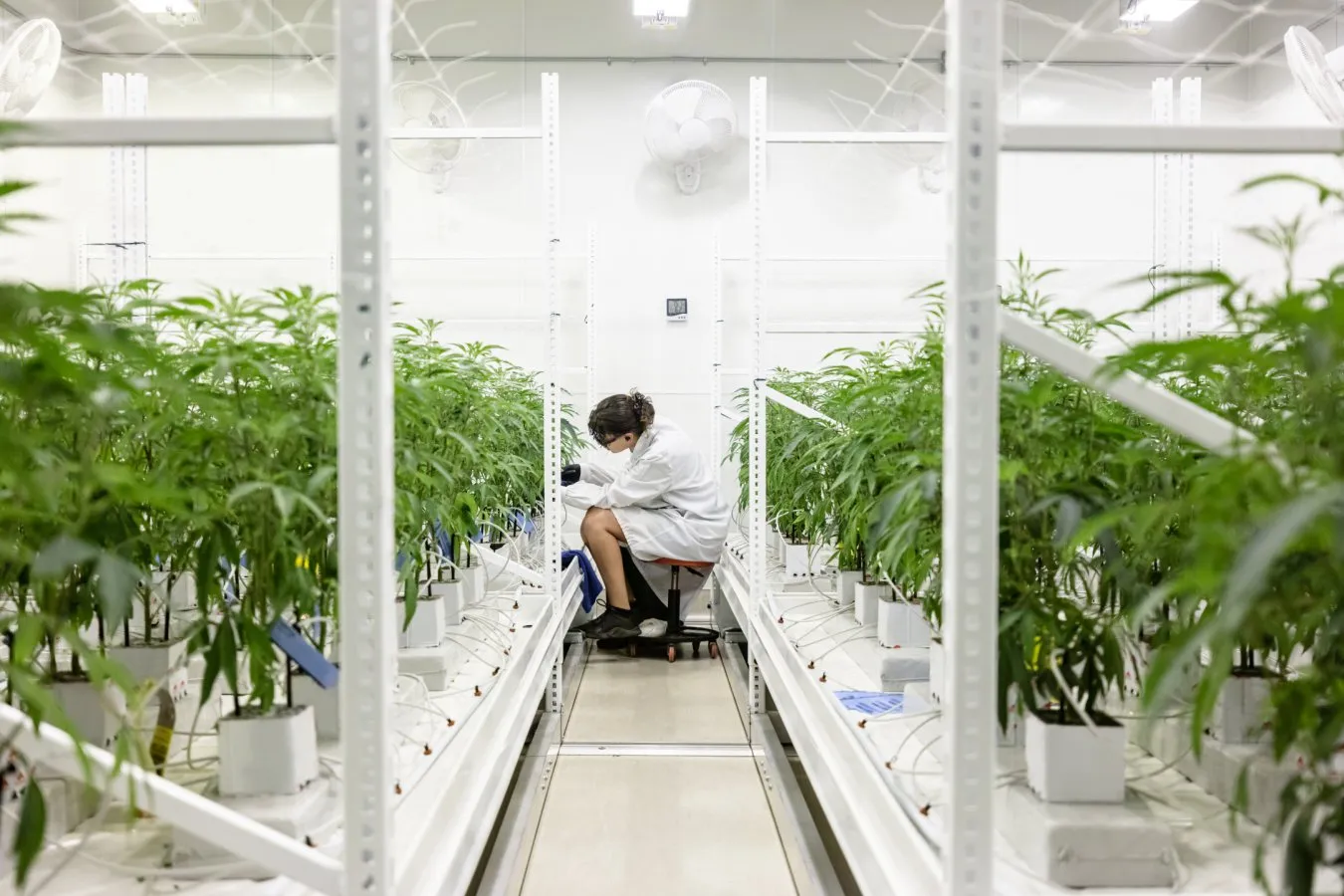
Haivya has developed acoustic signals designed to influence plant development. Its trials reportedly show large yield increases in soybean, pepper, and cannabis crops, which could reshape how companies think about agricultural inputs.
Haivya, a start-up working on plant tech, is betting that sound can do the job people usually pay for with fertilizers, genetics, or climate control. The company says it has developed acoustic signals designed to influence plant development. And according to the report, its trials reportedly show large yield increases in soybean, pepper, and cannabis crops.
That headline is the whole story and the whole risk. If Haivya is right, a non-chemical input could become a lever for output, not just a research curiosity. If it is wrong, the same trial claims still matter because they signal where funding and attention are moving: from traditional farming inputs toward engineered environmental signals.
To understand why this is interesting to executives, you have to start with what agriculture has always been optimizing. Farmers and growers want predictable yields, faster cycles, and fewer losses. Companies selling agricultural tools want measurable outcomes that translate into revenue, whether that is higher production per acre or more uniform growth. Acoustic signaling, if it works at scale, fits the pattern of “inputs that are hard to copy” because they are not just a product you buy once. They are a system you deploy, calibrate, and integrate into operations.
The market implication is less about “plants react to noise” and more about operationalization. Sound-based approaches would force buyers to ask new questions: What equipment is required? How do growers position speakers and manage coverage? How consistent are results across varying conditions like light, soil, and baseline plant health? In other words, the real product is not the signal itself, but the repeatable protocol. If Haivya can standardize that across crop types like soybean and pepper and also into cannabis, which tends to be more tightly managed, it would signal the kind of credibility investors like.
There is also a regulatory and compliance angle, even from the limited facts available here. Acoustic signals are not the same category as pesticides or fertilizers, so the approvals and scrutiny are likely to differ. But agriculture regulation is not just about chemistry. Regulators and certifiers also care about claims, trial design, and whether an intervention can be verified as safe and effective. For decision-makers, that means the first battleground is evidence quality. Reported “large yield increases” sounds compelling, but boards and procurement teams will want to know how those trials were run, what the controls were, and whether results held over time and at meaningful scale.
Why does that matter now? Because the global food and crop-input ecosystem is already full of “promising” approaches that struggle when they meet the real world. The second-order challenge for Haivya would be moving from trial performance to day-to-day farming reliability. In startups, that is where good science becomes an engineering and operations problem. In established companies, it becomes a commercial problem: pilots need to be repeatable, and customers need to trust outcomes enough to sign contracts.
For executives watching adjacent plant-tech plays, the presence of multiple crops in the reported trials is a key signal. Soybean and pepper represent different growth profiles and growing conditions, while cannabis is often associated with more controlled cultivation. Covering all three suggests the company is not pitching a one-off effect that only shows up in a narrow setup. Still, it also raises diligence demands. Boards will want clarity on whether the acoustic signals are tuned differently by crop, stage of growth, or environment. A one-size-fits-all promise would be easier to scale, but it would also be easier to test and disprove quickly. Crop-specific tuning would be more credible operationally, but it can complicate commercialization.
Strategically, this is the kind of story that can quietly reshape how capital flows into agriculture. If acoustic signaling proves out, it could influence the competitive set that companies consider. Instead of competing only on seeds, nutrients, or irrigation optimization, firms might also compete on “growth control systems” that deliver environmental cues. That expands the surface area for partnerships across hardware, sensors, and farm management platforms.
For investors, the strategic question is whether Haivya’s trial-reported results can be validated and scaled without turning into a black box. For growers and procurement leaders, the question is whether any acoustic system can be deployed with consistent returns and manageable operating complexity. And for boards, the question is whether the company can build durable proof, not just promising early signals. In a market where “yield gains” are the currency, Haivya is asking the industry to entertain a new kind of input. The payoff, if it holds, is a potential shift in how plant development is influenced, measured, and monetized.
This story's Key Insights and Take-aways are locked.
Create a free account to unlock Executive Actions for one credit.
Register to UnlockAlways free for Executives Club members. Join the Club
More in Science

Alaska's 1,580-foot tsunami had warning signs. Scientists just found them.
Rapid glacier retreat, heavy rainfall, and thousands of tiny tremors preceded Alaska's 1,580-foot tsunami, a warning for every coastal community in a warming world.

The rare mutation that lets high-risk brains dodge Alzheimer's
Scientists found a natural defense against protein buildup, opening a new path to preventive treatments.

3,000 steps a day may halve Alzheimer's decline, study finds
New research links a modest daily walk to less tau buildup and nearly half the cognitive and functional decline, even for those with early signs.