

Hang Seng Tech jumps ~10% as South Korea slides into bear-market turbulence
Investors appear to rotate away from crowded South Korean bets into undervalued Hong Kong Chinese tech.

Chinese technology stocks listed in Hong Kong are gaining attention as turmoil in South Korea reshapes investor positioning, analysts say. The Hang Seng Tech Index has risen about 10% from a June 26 low, while the Korea Composite Stock Price Index (Kospi) has technically slipped into a bear market after a 20% decline.
South Korea is having a rough go, and Hong Kong’s Chinese tech complex is catching the benefits. Analysts featured in SCMP point to a clear rotation: as investors look to move out of crowded South Korea bets, they are shifting toward what they see as undervalued assets. The scoreboard for Hong Kong is the Hang Seng Tech Index, which has risen about 10% from a June 26 low, according to the report.
That is not a random bounce. It is the market’s way of reallocating risk when one region loses momentum. The same piece notes that the Korea Composite Stock Price Index (Kospi) has technically slid into a bear market after a 20% drop. Put the two together and you get the headline logic, in plain terms: when a major benchmark enters a bear market, investors often reassess exposure elsewhere, and Hong Kong-listed Chinese technology becomes a candidate for a rebound trade.
To understand why this kind of cross-market spillover matters, you have to remember how investors build portfolios. Many investors do not buy “a company,” they buy a theme, like growth at a reasonable price, or tech with a China revenue tailwind. When one theme gets crowded, valuations can become more sensitive to macro shocks and sentiment swings. When another market turns choppier, capital can search for relative value instead of chasing the same crowded basket.
In this case, the Hang Seng Tech Index is the proxy that tells the story. It tracks Alibaba and other key Hong Kong-listed Chinese tech companies. The index rising about 10% from its June 26 low suggests that the market is willing to price in upside before the rest of the world fully agrees. That can be painful when rebounds fail, but it can also be precisely what some investors are paying for. SCMP’s framing is that investors are “positioning for a rebound,” not just hedging short term.
Meanwhile, South Korea’s move into a technical bear market matters because it changes the baseline behavior of allocators. A “bear market” label can arrive before the full economic story is known, but it still influences flows, risk limits, and how quickly managers trim exposure. The report calls out that Kospi slid into bear-market territory after a 20% decline. Even if you strip out the label, a 20% drawdown is a big enough number to reset confidence, force de-risking, and push managers to find alternative return paths.
There is also a timing angle. The Hang Seng Tech Index’s comparison point is June 26, the date of the low that the index has since climbed from. That matters because it suggests the rotation is not only about current-day headlines, it is about what investors already did after that low. Capital migration is rarely instant. It takes time for investors to cut exposure, reconcile risk models, and redeploy into markets they view as more attractive on valuation or upside potential.
For executives and boards of companies in the Chinese tech orbit, this cross-border rotation is the kind of development that shows up in the real world as funding conditions and investor appetite. When indexes that concentrate these stocks rally, it can improve sentiment, broaden liquidity, and potentially lower the “discount rate” investors apply to future growth. It can also sharpen attention on earnings visibility, margins, and execution, because when capital comes back, the bar usually rises quickly.
Strategically, the second-order message from the SCMP report is that regional turbulence does not stay regional. A bear-market shift in one market, driven by a large decline such as Kospi’s 20% slide, can create opening bids for other assets that have different risk perceptions. In other words, for any CFO or investment committee watching China tech exposure, Hong Kong is not just a separate exchange. It can become a pressure valve for capital when South Korea sentiment deteriorates, and that can affect how quickly investors expect performance to normalize.
The stakes for decision-makers are straightforward. If your company, its investors, or its peers rely on public-market appetite, then moves like a roughly 10% Hang Seng Tech rebound from a June 26 low are early signals. They imply that some investors are willing to buy undervalued assets as they anticipate a rebound, even while another benchmark like Kospi remains in bear-market territory. For anyone steering portfolio strategy, funding planning, or investor relations, the lesson is to watch the index-level incentives, not just company headlines.
This story's Key Insights and Take-aways are locked.
Create a free account to unlock Executive Actions for one credit.
Register to UnlockAlways free for Executives Club members. Join the Club
More in Business

Uber buys Delivery Hero for nearly $15B, vaulting to top food delivery outside China
The deal doubles Uber's dual-services footprint and pushes a ride-and-eats bundling play into 50 more markets.

Epic and Google drop settlement bid, forcing rival Android app stores by July 22
Google told the court it is ready to carry third-party app stores starting Wednesday, July 22.
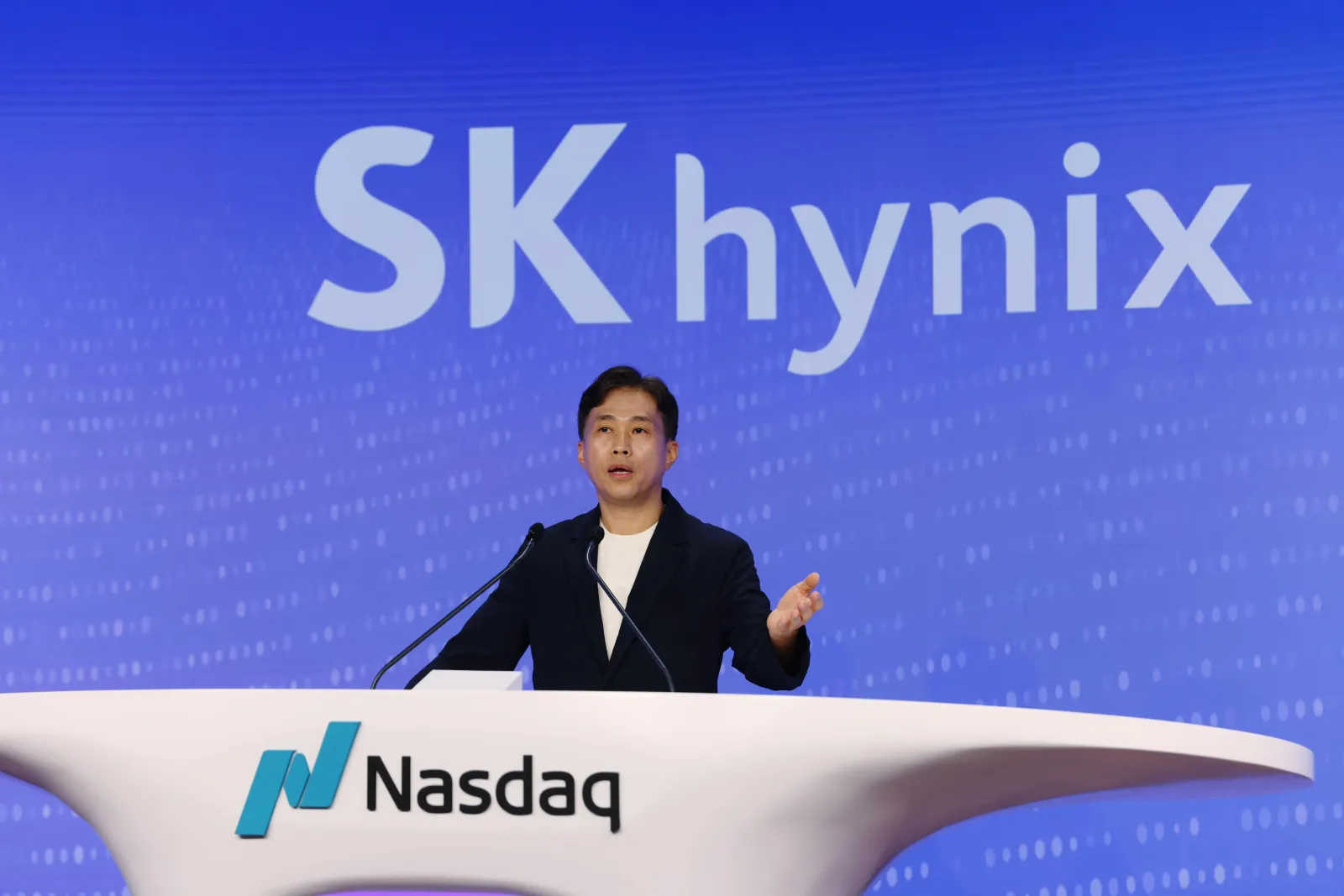
SK Hynix opens at $170, raises $26.5B, and tops foreign IPO records
In Friday's Wall Street debut, SK Hynix turns AI RAM demand into a $26.5B fundraising moment that rewrites comps.