

HBO’s Bridgerton Rival Quietly Climbs Back Into the Streaming Race
As Netflix’s period-drama juggernaut keeps widening the market, HBO’s fan-favorite response is regaining momentum ahead of Season 4.
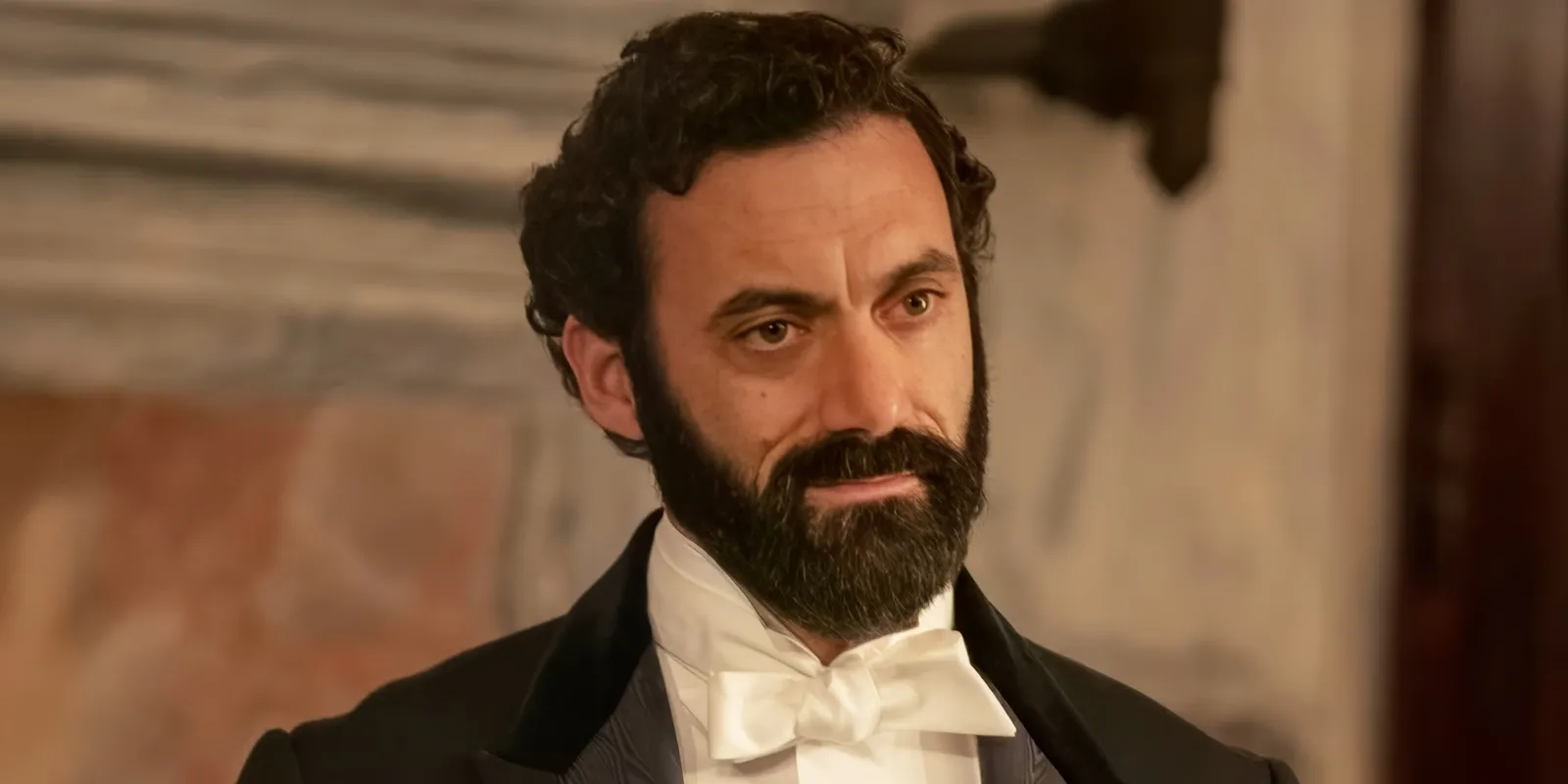
HBO’s period drama, described as the network’s answer to Bridgerton, has quietly rejoined the streaming charts ahead of its Season 4 return. For executives, it is another reminder that proven franchises can re-accelerate demand long after launch if the audience still sees prestige, romance, and spectacle.
HBO’s answer to Bridgerton is back on the charts, and the timing matters. Collider says the fan-favorite HBO series is quietly climbing the streaming rankings ahead of its Season 4 return, a reminder that this corner of the content business is still very much a battle for attention, not just a battle for new launches. In a streaming market where everyone is hunting for the next sticky franchise, the return of a known period drama has real signal value: audiences still show up for costume drama when the mix of romance, theatrics, and extravagance lands.
That demand is not hypothetical. The source points to Bridgerton as the current benchmark, and the numbers are hard to ignore. In its most recent fourth season, Bridgerton was watched by 6.4 million households in the live plus three-day period, which was a 52% increase over Season 3’s premiere. It also reached No. 1 in the streaming ranks in 83 different countries. That is the backdrop for HBO’s own quiet rebound: when a rival genre title can turn into a global event at that scale, older prestige players do not need to invent a new market. They need to stay visible long enough to capture it.
For decision-makers, the broader point is simple. The streaming wars have matured into a franchise economy, and period dramas are one of the clearest examples of how durable that economy can be. These shows are expensive-looking by design, and their appeal is built on recurring ingredients rather than novelty alone: familiar settings, romance, status games, and the kind of stylized world-building that invites repeat viewing and conversation. The source frames Bridgerton as the leader of this market, but HBO’s returning series shows the other half of the equation too: a strong brand can keep resurfacing even without being the newest thing in the feed.
That matters because streaming strategy now lives or dies on retention as much as discovery. A launch spike is nice. A return spike is better. If a series can re-enter the charts ahead of a new season, it suggests the audience memory has stayed intact and the platform has preserved enough awareness to convert curiosity into viewing. That can influence how executives think about release timing, promotional spend, catalog management, and the value of keeping a recognizable title in the conversation between seasons. It also helps explain why high-profile shows keep getting renewed, marketed, and packaged as cultural events rather than simple episodes in a library.
There is also a competitive read here. Netflix’s Bridgerton has clearly set the standard for what a mainstream period drama can do, and its Season 4 performance only raises the bar. A 52% boost over Season 3’s premiere is not a small improvement, and a No. 1 ranking across 83 countries shows how far a single title can travel when the audience connects with the formula. HBO’s response, then, is not just about one show climbing a chart. It is about whether legacy prestige TV can still compete with streamer-native hits that have already proven they can scale globally and keep growing. In practice, that can shape how rivals position their own catalogs, what kind of expensive productions they greenlight, and how aggressively they chase the same overlapping audience.
The second-order effect is that success in this lane becomes self-reinforcing. Once a period drama has enough cultural gravity, each new season becomes easier to market because the audience already understands the promise. That lowers some of the friction around discovery and raises the reward for being early to the next installment. It also explains why “quietly” climbing the charts is not a throwaway detail. A low-noise return can still be strategically meaningful if it signals durable fan loyalty rather than a one-week curiosity bump. In other words, the show does not need to dominate the headlines to matter to the business.
For executives across entertainment and adjacent media businesses, the lesson is not that every period drama will become a Bridgerton-level phenomenon. It is that the market for glamour, romance, and spectacle remains large enough to support repeat winners, and audiences are willing to treat those titles like events when the quality and branding are in place. HBO’s chart rebound ahead of Season 4 shows how a familiar title can regain traction at exactly the moment a platform needs proof that its library still has pull. In a crowded streaming landscape, that kind of proof is worth a lot more than nostalgia.
This story's Key Insights and Take-aways are locked.
Create a free account to unlock Executive Actions for one credit.
Register to UnlockAlways free for Executives Club members. Join the Club
More in Entertainment

Christopher Nolan’s “The Odyssey” posts his biggest Tuesday haul, surpassing “The Dark Knight’s” record
The film’s Tuesday breakout reframes Nolan’s box-office ceiling and forces competitors to rethink timing, budgets, and release strategy.

Kacey Musgraves cancels Aug. 20, 29, Sept. 2 Middle of Nowhere shows
Ticketmaster emails are telling fans refunds are coming, while the tour still starts Aug. 21 in Chicago.

Billie Joe Armstrong launches Epiphone Les Paul Junior and Marshall 1959BJA signature gear
Two limited releases turn decades of Green Day’s tone into branded hardware, including Marshall’s first artist amp in 14 years.