
HDRE commits $3B to Japan battery storage, aiming to scale renewables fast
The Taiwan-linked battery developer plans Japan projects totaling $3 billion as utilities and regulators push for grid flexibility.

HDRE, a Taiwan-based battery storage developer, plans to build battery storage projects in Japan worth $3 billion. For decision-makers, it signals a serious new pipeline of capacity and intensifying competition for the next wave of grid-scale storage.
HDRE, the Taiwan-based battery storage developer, is planning battery storage projects in Japan worth $3 billion, according to Nikkei Asia. The basic idea is straightforward but powerful: add large-scale storage so Japan can keep pulling more renewable power onto the grid without the system getting overwhelmed when wind and solar output swings.
This is not “sometime in the future” storage. HDRE’s $3 billion plan frames battery deployment as a near-term buildout problem, not a purely experimental technology story. In practical grid terms, storage helps utilities smooth out volatility, reduce curtailment, and provide power when generation is lower. In a country where the electricity system has to balance reliability with decarbonization goals, that turns battery storage from an accessory into infrastructure.
To understand why this matters right now, you have to zoom out to how grid flexibility is typically treated in energy transitions. Renewables do not arrive on a schedule, and electricity systems are unforgiving about supply-demand mismatches. Storage is one of the cleanest tools to bridge that gap: charge when excess generation is available, discharge during shortfalls, and support grid operations in ways that can be valuable during peak times and disturbances. As Japan increases renewable penetration, the business case for storage gets sharper, because every additional percentage point of intermittent generation raises the value of smoothing services.
HDRE’s move also highlights a global pattern that boards and investors should pay attention to. Battery storage is increasingly a cross-border buildout story, not a purely domestic manufacturing story. A developer can secure project pipelines, partner with local stakeholders, and finance installations in multiple jurisdictions where demand for storage is accelerating. Japan, in this case, is effectively pulling in international development capacity, which can reduce timeline friction for utilities and speed the addition of grid-scale assets.
There is also a regulatory and contracting dimension hiding under the $3 billion number. Storage projects usually live or die based on the revenue stack: how compensation is structured for services like capacity, energy shifting, and grid support. Even without going into specifics beyond what the Nikkei Asia report indicates, the direction is clear: as policy and market frameworks evolve to reward flexibility, developers that already know how to build and run projects gain leverage. In that setting, a $3 billion plan is less about technology novelty and more about procurement certainty, permitting pathways, and the ability to deliver at scale.
Second-order implications for executives? This plan raises the stakes for who gets built first. If multiple developers race to secure sites, grid connections, and offtake arrangements, the market can compress schedules and intensify competition. That matters for utilities because timing impacts costs and reliability outcomes. It matters for developers because it affects both project economics and the ability to reuse standard designs across locations, which is often where scale savings come from.
It also changes how peers should think about partnership strategy. A $3 billion pipeline suggests HDRE expects to win enough of the Japanese opportunity to justify the capital. That can pressure other storage developers to differentiate, either by securing stronger commercial terms, building faster with standardized engineering, or expanding relationships with equipment providers and EPC contractors. Meanwhile, for investors and lenders, a meaningful commitment like this can improve confidence in the sector’s near-term deployment trajectory, but it also increases the need for diligence on execution risk: interconnection queues, construction timelines, and performance guarantees.
Ultimately, HDRE’s $3 billion plan in Japan is a signal that grid-scale battery storage is moving from “pilot and prove” into “build and integrate.” For decision-makers watching Japan or considering comparable markets, the strategic question shifts from whether storage is useful to how quickly and at what cost it can be deployed while meeting regulatory requirements and delivering stable grid performance. In that world, the winners are the teams that treat storage like power system infrastructure, not just a product you install.
This story's Key Insights and Take-aways are locked.
Create a free account to unlock Executive Actions for one credit.
Register to UnlockAlways free for Executives Club members. Join the Club
More in Business

Accenture’s $4.18bn play fails as AI fears spark a 20% worst-ever stock plunge
On Thursday, Accenture hit its biggest one-day drop on record after forecasting worries that AI could hollow out consulting.

SpaceX stock jumps 3% after it overtakes Amazon’s market cap
CNBC says SpaceX’s shares surge following its IPO Friday, forcing investors to reprice what “space” and “AI” are worth.
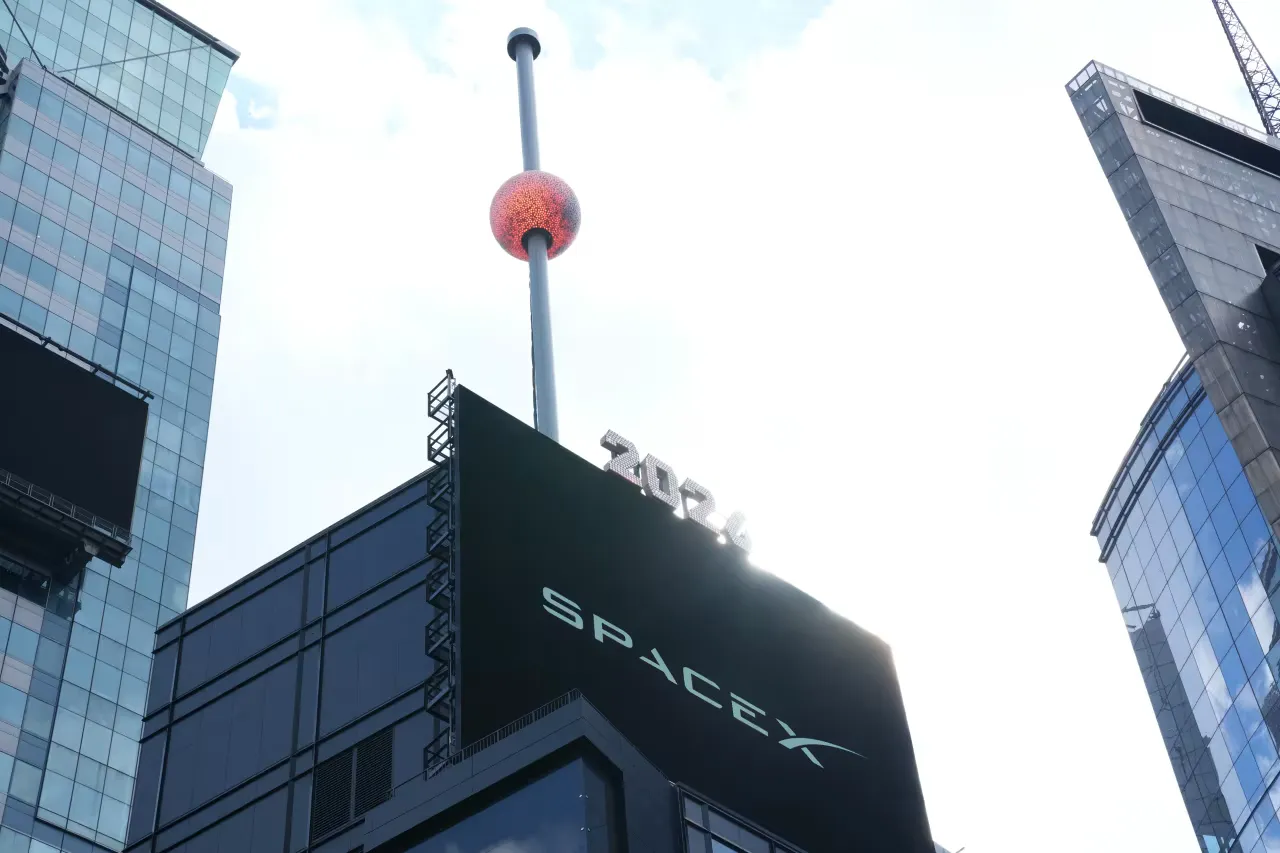
SpaceX’s first options day breaks U.S. records after a $85B IPO win
Big IPO, bigger options debut: what it means for investors, risk teams, and anyone benchmarking market appetite.