
He left Meta to podcast. Four months in, illness exposed the flaw
A former Meta engineer's six-month runway was nearly blown by a flu. His fix shows solo founders how to build slack.
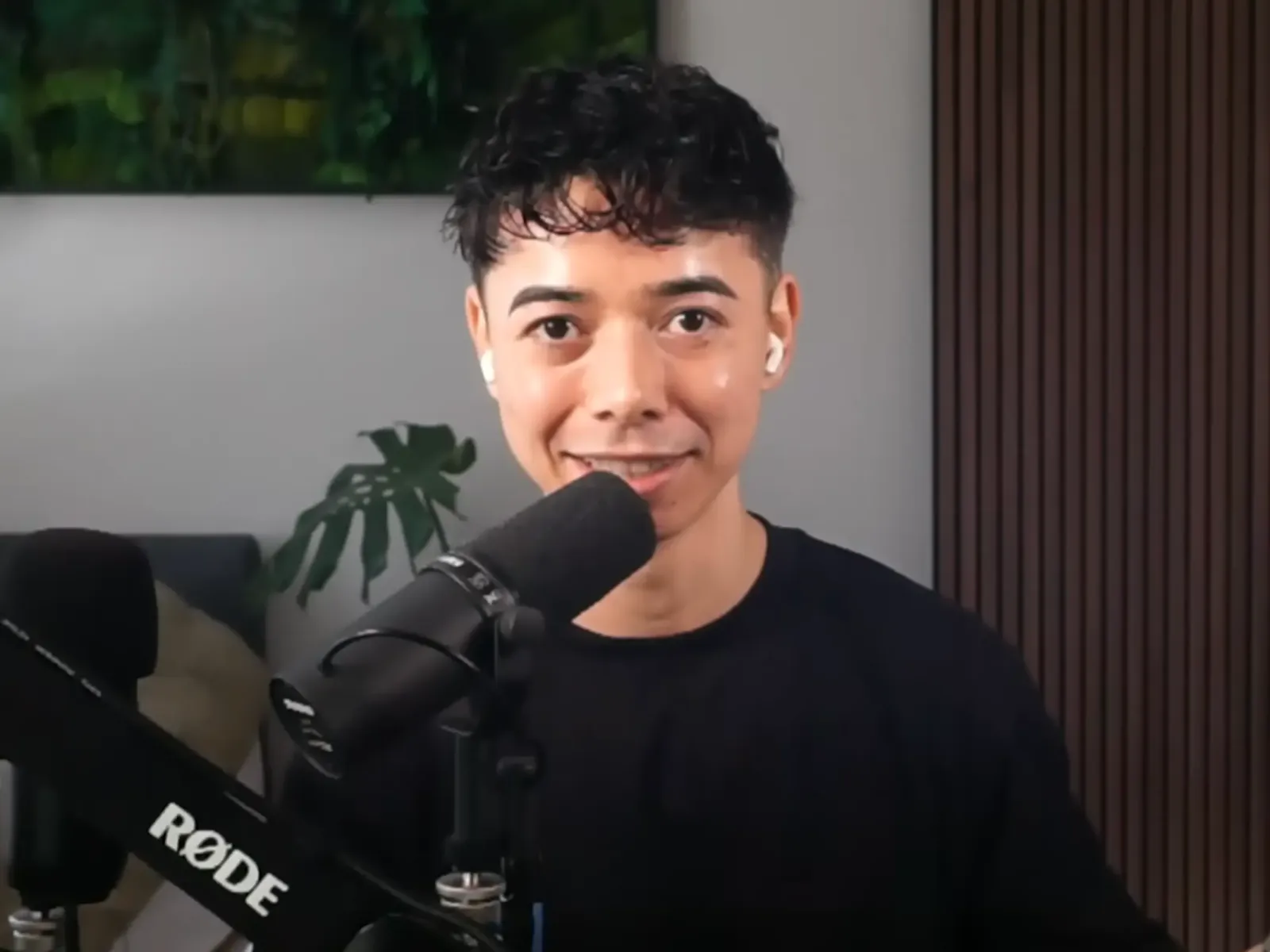
Ryan Peterman, a former Meta software engineer, left the company to build a tech podcast and nearly ran out of money when illness stopped his solo operation. His recovery playbook - sponsors, a simpler production process, and a two-episode weekly cadence - turned the show self-sustaining within nine months.
Ryan Peterman gave himself six months of savings to make his tech podcast work. Four months in, the show had made zero dollars. Then he got sick, and the real fragility of his solo operation hit him: if he stopped, everything stopped. "Because I couldn't work, suddenly, everything felt fragile for the first time," he said in a six-minute YouTube video posted Friday. The former Meta software engineer, who worked at the company from 2018 until February 2026, was bedridden for several days with what felt like a strong flu. The illness nearly ground his new independent career to a halt - and forced a reboot that ultimately saved it.
Peterman's story is a case study in the brutal math of the creator economy. He left a stable engineering role at Meta to launch "The Peterman Pod," a tech-focused podcast, with a six-month financial runway. Four months in, he was still in the red. There was no employer safety net, no team to cover for him, and no content buffer. When he got sick, the entire operation stopped. That moment of fragility - the realization that his income, his brand, and his momentum all depended on one person showing up every day - is the same exposure that founders, solo operators, and even small executive teams face when they build a business without slack.
The silver lining, Peterman said, was that getting sick forced him to reassess what was not working. He began taking sponsors more seriously, rather than treating them as an afterthought. He simplified his recording process so he could produce two episodes a week, building a cushion of content that could survive a bad week. The changes worked: Cursor and WorkOS later signed on as sponsors, and roughly nine months after striking out on his own, Peterman said his podcast now sustains itself. His YouTube channel has over 109,000 subscribers.
The lesson for decision-makers is not about podcasting. It is about the difference between a business that depends on one person's continuous output and a business that has built-in resilience. Peterman's initial setup - six months of savings, a solo production process, and no revenue - was a classic startup gamble. But it was also a fragile one. A single illness, a family emergency, or even a bad week of burnout could have ended the experiment. The fix was not to work harder; it was to redesign the system so that a pause did not mean a collapse.
For executives and founders, the takeaway is structural. The most valuable asset in any solo-led venture is not the product or the audience - it is the ability to keep operating when the founder cannot. Peterman's two-episode weekly cadence created a buffer. His simplified recording process reduced the cost of production. His serious approach to sponsors turned revenue from a hope into a system. Each change added slack to a system that had none.
There is also a broader lesson about career risk in the creator economy. Peterman's decision "didn't make sense on paper," as he put it. Leaving Meta for a podcast is the kind of move that looks irrational to a spreadsheet. But his goal was not simply to make money. "Otherwise, I would have stayed at Meta," he said. The quote captures a tension that many high-earning professionals face: the trade-off between financial security and the freedom to build something of their own. The illness did not change that calculus, but it did force him to build a more sustainable version of it.
For peers in similar roles - founders with a few months of runway, executives launching independent ventures, or creators scaling a solo brand - the strategic stakes are clear. A six-month runway is not a safety net if a single illness can wipe it out. The fix is to build slack into the system before you need it: a content buffer, a simplified process, a revenue stream that does not require your constant presence. Peterman found that path only after being bedridden. The smarter move is to find it before the flu hits.
Peterman did not respond to requests for comment from Business Insider. But his public breakdown of the experience - including the uncomfortable admission that everything felt fragile - is a rare, honest look at the economics of going solo. The podcast now sustains itself, the YouTube channel has over 109,000 subscribers, and the experiment that did not make sense on paper has become a viable business. The fragility, at least for now, has been engineered out.
This story's Key Insights and Take-aways are locked.
Create a free account to unlock Executive Actions for one credit.
Register to UnlockAlways free for Executives Club members. Join the Club
More in Business

Paramount's Ellison: Merger Clearance Done, WBD Deal by Oct 1
David Ellison says the Paramount-WBD merger has full clearance after settling with state AGs, clearing the path for an October 1 close.
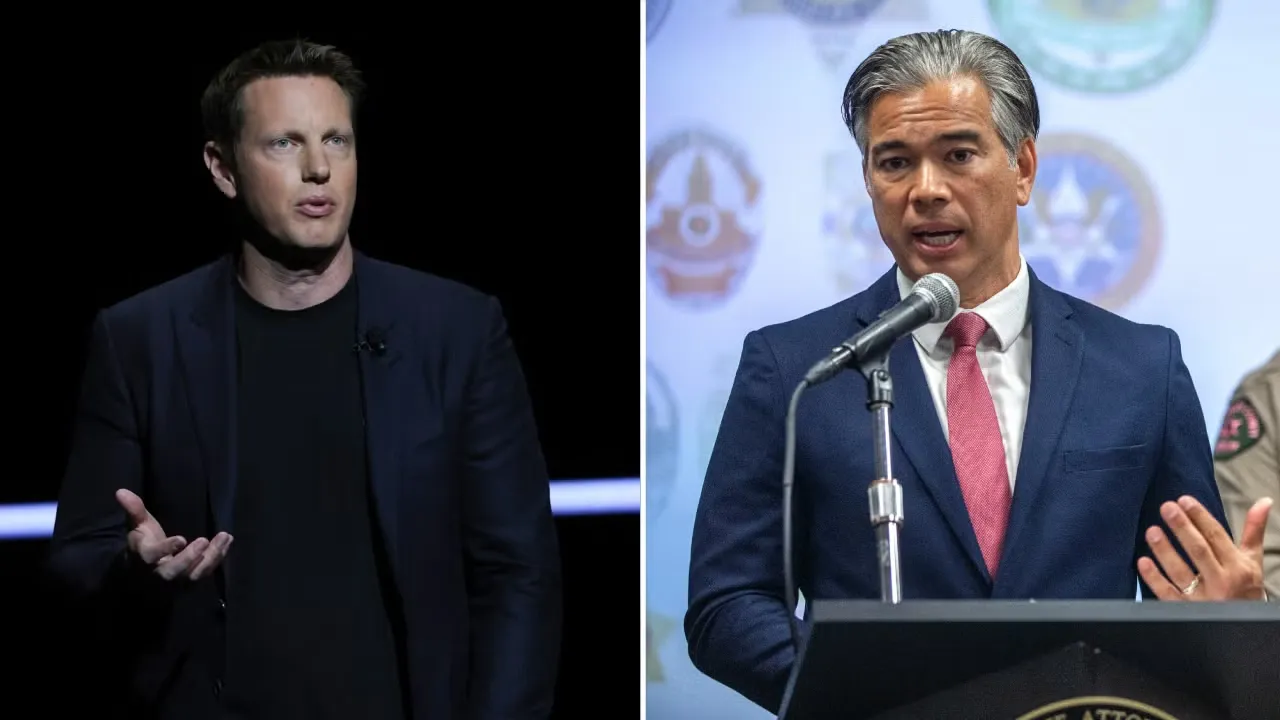
Paramount settles with 12 states, $110B Warner merger clears final hurdle
David Ellison's studio avoids a March trial and a $7M-a-day ticking fee by settling with state AGs over local job losses.

Apple unveils first foldable iPhone Duo with 7.6-inch display under new CEO Ternus
Apple's first foldable, the iPhone Duo, marks a major product bet for new CEO John Ternus, with a 7.6-inch unfolded screen.